
A growing pool
The World Bank, in its April poverty outlook, said about 13 million Nigerians would fall below the national poverty line by 2025 due to…

The World Bank, in its April poverty outlook, said about 13 million Nigerians would fall below the national poverty line by 2025 due to population growth outpacing poverty reduction. Nigeria’s macroeconomic stability has weakened because of FX rates, inflation, fiscal pressures and declining forex reserves, and its fiscal position has been affected by declining oil revenue and rising expenditures. Furthermore, the Consumer Price Index (CPI) rose to 21.91 percent in February 2023, up from 21.82 percent in the previous month, as the country’s inflation rate rose to 21.91% owing to cash scarcity.
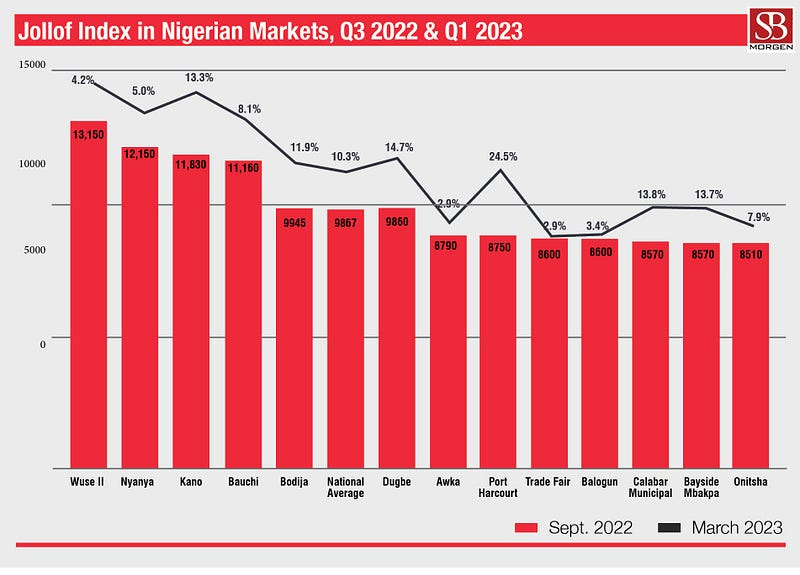
It is worrying that 13 million Nigerians are projected to join the 83 million already labouring under the limbo of poverty. In effect, almost a hundred million Nigerians face the precarious prospect of feeding, housing, educating and maintaining their health under circumstances that make it difficult for them to be socioeconomically productive members of society. Nigeria is already home to the most people living in absolute poverty globally. An additional 13 million over the next two years will mean that more Nigerians will become poor than the entire population of ten of its West African neighbours. In that sense, the impact of domestic socioeconomic developments will be felt not just within the region but across the continent and worldwide. A key driver of Nigerian emigration is poverty avoidance, but the country’s recent policy posture has inadvertently eviscerated the incentive that would contribute to wealth and value creation and halt the spread of poverty. Policies like the recent Naira redesign, the fixation on foreign exchange controls, and trade restrictions have all engendered poverty. The cumulative impact of years of insufficient investment in infrastructure and human capital development has not helped. The components of the poverty escape hatch have been extensively researched and well-documented: adequate use of technology; improvements in girl-child-education, health and well-being; widespread provision of infrastructure, growth-oriented policies and reliable power supply; unshackling the private sector, and a fit-for-purpose educational system. Important to the discussion is that the country’s 36 states be primed to improve their economic productivity. Take Taraba, one of Nigeria’s poorer states. It has a larger land area than Belgium and the Netherlands and almost equal agricultural potential, but its realised earnings are equivalent to less than 1% of what the Netherlands alone earns from agricultural product exports. Furthermore, much of these earnings come from central allocations funded by oil revenue from its Niger Delta counterparts. And this is just one state out of 36! The defining issue for Africa’s largest economy is its inability to get over a hundred million citizens to be productive. The government’s job is to guarantee a conducive business environment, infrastructure and security, and the rest typically falls in place. Unfortunately, successive governments have abdicated their responsibilities to the people, and many Nigerians have lost their sense of purpose. The country’s current economic fortunes rise and fall with the price of crude oil, and volatility in the geopolitical environment creates heightened uncertainty, which is an additional cause for concern. Nigeria will need at least a decade of focused and positive policymaking and implementation to turn the tide. Is it possible? Yes. But it will require grit and determination that the Nigerian leadership is yet to show.