
A nasty erosion problem
Nigeria’s rising inflation has eroded the ₦30,000 monthly minimum wage by 40.6 percent since 2019, a new Afrinvest (West Africa) Limited…

Nigeria’s rising inflation has eroded the ₦30,000 monthly minimum wage by 40.6 percent since 2019, a new Afrinvest (West Africa) Limited report has said. Since the minimum wage was reviewed from ₦30,000 to ₦18,000, the inflation rate index has risen to 517.39 points in February 2023. The final consumption expenditure of the average household in inflation-adjusted national disposable income is about 71.3 percent in 2022, implying a 3.9 percentage points reduction from the level reported by the National Bureau of Statistics (NBS) in the first half of 2021.
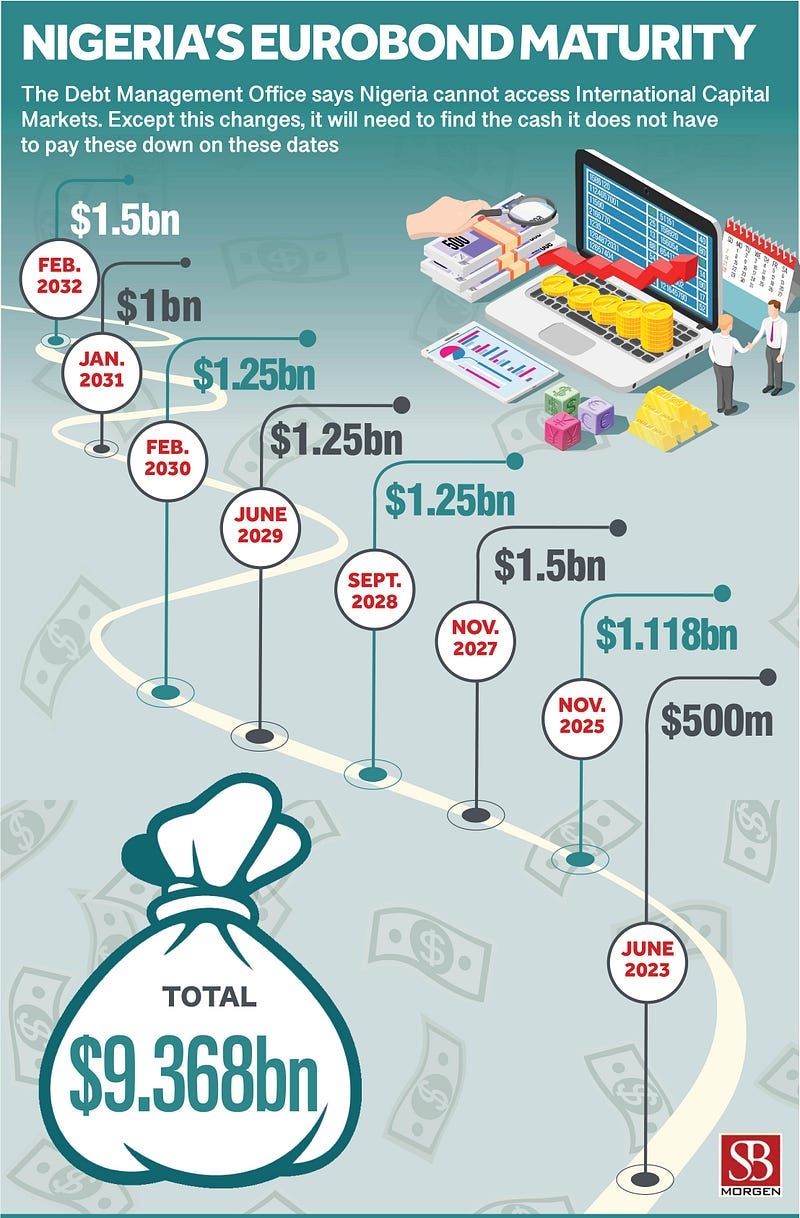
One of the economic legacies of the Buhari administration will be sustained elevated inflation. Some of it has been self-inflicted, especially at the onset with the closure of the land borders in 2019 to curtail petrol and goods smuggling. Added to this is the trade disruption caused by the Russia-Ukraine conflict, which has triggered global inflationary pressures. Unfortunately, we are yet to round the curve as the inflation rate is still rising despite the aggressive CBNs hike. The reason is that the fiscal issues are yet to be addressed, including import controls and insecurity that has shut in crop production across vast swathes of the country. Mr Tinubu’s incoming cabinet, especially the economic cohort, will face many tough decisions. Among other things, he would have to pick up the gauntlet where Mr Buhari dropped it, convincing the tenth Assembly to take the Ways and Means burden his predecessor is leaving behind off of the government’s books. Failing that, Aso Rock will continue to incur a hefty rate charge on the deficit. Once that is sorted, his CBN governor (whoever that will be) would have to unknot some of Mr Emefiele’s strings. A gradual delisting of blacklisted items for import and harmonisation of forex rates are the central loops. When that is done, the Tinubu administration will have to decide on how to deal with the subsidies in the electricity sector. The outgoing administration has already executed “best-laid plans” for that in regard to petrol. On top of these, not forgetting the resurgence of insecurity and the commensurate food crisis, Afrinvest is suggesting a raise in the minimum wage and a boost in economic output. This year, Nigeria may be unable to call on the Eurobond market to plug the ₦12.1 trillion (and growing) hole in the budget. This will compel a greater reliance on multilateral and bilateral loans, as well as the domestic securities market. Using monies from these sources to pay salaries will not be good practice. For starters, it is illegal according to Section 41 of the Fiscal Responsibility Act. The erosion of strong spending power leaves most people unable to afford essential items like housing, healthcare, food, and non-essential items. Nigerians were already spending very little on healthcare, for example, because most of them could not afford expert medical care, and that is part of the reason why the average Nigerian can expect to live about 56 years, less than double the average lifespan of a domesticated horse in the West. So what should Nigeria do? The straightforward approach to poverty is to boost earning capacity. This is appropriate at an individual level but does not work at scale because a rise in wealth would likely boost inflation and be unevenly distributed, leaving pockets of festering poverty. Nonetheless, these efforts must be pursued. Quick wins on this front would include liberalising trade by dealing decisively with port congestions in Apapa and Tin Can in Lagos (by diverting more vessels to Onne and Port Harcourt ports), bumping up the cargo component on the Lagos -Ibadan rail line, investing in inland waterway infrastructure and backing coastal states to develop port projects. On power, the government should mandate distribution companies to map out potential premium-paying customers willing to pay cost-reflective tariffs for increased power supply and use the increased revenue to activate the Consumer Assistance Fund in the Power Sector Reform Act for lower-income customers and boost distribution capacity. Nigeria is best served by prioritising a model that brings about a sustainable drop in the costs of essentials like housing, food, and healthcare, which can be achieved by increasing productivity and reducing production costs, so companies can pass on savings to consumers in exchange for scaling up demand. This would also create more disposable income as people have more opportunities to save due to reduced spending on essential items. Nigeria has 79 million hectares of arable land, and only 44% is cultivated at the moment, which means that Nigeria can easily double its food production by fully utilising its farmable land even if it maintains its current low-yield levels. There is a lot the new administration can do, and quickly, to address the mounting challenges Nigerians face. The hope is that it gets the memo and hits the ground running.