
A new wave
No fewer than 28 governors comprising 18 fresh hands and ten returning chief executives, took over in states across the country with a…

No fewer than 28 governors comprising 18 fresh hands and ten returning chief executives, took over in states across the country with a promise to turn their states’ fortunes around. In Delta, Governor Sheriff Oborevwori pledged to run an open and responsive government that would meet the people’s needs. Governor Umo Eno assured Akwa Ibom people that he would be governor for all, irrespective of party affiliations. In Abia, Governor Alex Otti declared that the time had come to wipe the tears of Abians. At the same time, Governor Babajide Sanwo-Olu urged Lagosians to embrace the spirit of inclusiveness and harmonious co-existence.
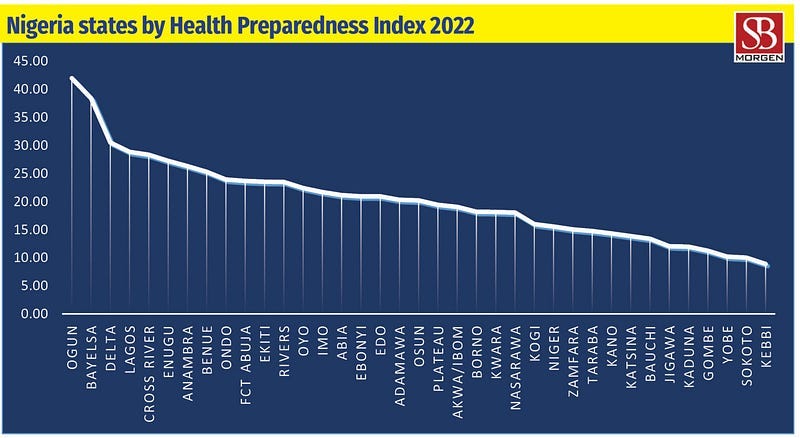
Another successful transition at the state level is a plus for Nigeria’s democracy. Unlike at the federal level, there is greater optimism about many new governors. But the current state of things leaves much to be desired because only some Nigerians can state that they are better off today than they were eight years ago. At the state level, little progress has been made to improve internally generated revenues and corruption and looting have risen. Across the country, productivity has been declining, and highly skilled individuals are seeking new beginnings abroad. There should be more focus on the accountability and performance of governors. The most important things to citizens — land use, primary and secondary education and healthcare, inner-city road infrastructure, access to justice, sanitation, markets and income tax — are under their jurisdiction. Nigeria’s economic and all-around stability depends on how seriously the governors take their jobs. Presently, it is within their domain to triple Nigeria’s food production numbers, trigger a mining revolution, build railways that boost production and trade, build new viable towns and cities and strengthen the export economies of their states. Their inability to perform has been the primary reason why the quality of life of many Nigerians has been abysmal. We believe that for them to function optimally, there has to be a rise in the quality and quantity of economic advocacy that helps educate state governments and connects them to innovative ways of getting these things done. For too long, Nigeria has focused on a top-down flow that places too much power and responsibility on a presidency that will never be equipped for the task by nature and nurture. Switching to a ground-up system is essential, where local government areas are recognised as the proper foundations for building state governments and the country. This dispensation offers the new and returning governors a fresh opportunity to improve their states. However, we will all have to wait to see if they meet people’s expectations.