
A recipe for disaster
By 2030, many Ghanaians will experience a potential crisis of hunger and malnutrition due to an expected shortfall in national fish…

By 2030, many Ghanaians will experience a potential crisis of hunger and malnutrition due to an expected shortfall in national fish production. Fish consumption is projected to reach 888,096 tonnes, but output is anticipated to meet only 43% of this demand. This shortfall could reduce per capita fish consumption from 28 kg in 2018 to 23.9 kg in 2030. Also, Oil Marketing Companies in Ghana, including Shell and Star Oil, have raised petrol and diesel prices, citing increased global crude oil prices and currency depreciation. Shell now sells petrol at ₵15.10 per litre (up from ₵14.80) and diesel at ₵15.25 (up from ₵14.92).
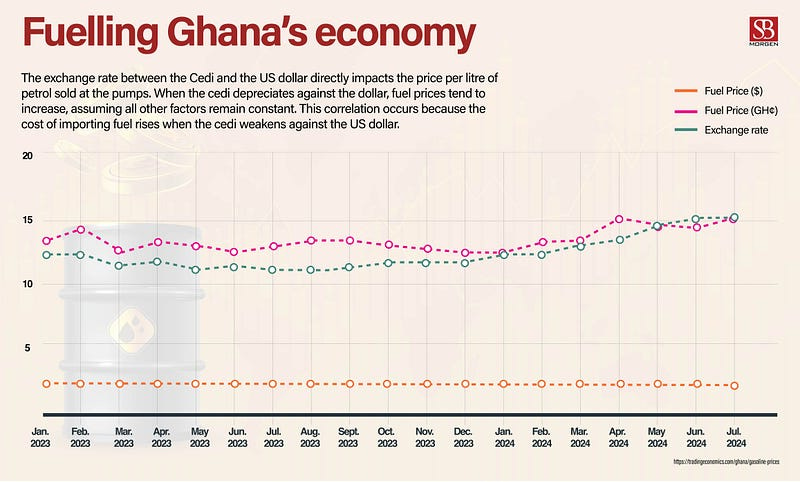
Illegal mining activities, known as “galamsey,” have significantly polluted Ghana’s freshwater bodies, particularly in the Western, Central and Eastern regions. This pollution has contaminated freshwater sources and affected the sea, as many rivers carry contaminants from illegal mining operations. Consequently, it is increasingly more difficult for fishermen to make good catches, forcing them to travel farther out to sea. Additionally, local fishermen face competition from Chinese vessels, exacerbating the issue. Travelling greater distances means higher costs for premixed fuel, discouraging many from continuing their fishing activities. Recent data from the Ghana Statistical Service shows that fish inflation remains above 38%, likely due to demand-pull factors as fishermen struggle to have successful fishing days. Beyond premixed fuel, the fluctuating prices of diesel and petrol over the past three months, driven by global crude prices and the depreciation of the Ghanaian cedi, have significantly added to the financial burden. This impact extends not only to fisherfolk but also to households and businesses. Transport operators, facing increased fuel costs and skyrocketing spare parts prices, are threatening to raise public transport fares by approximately 15%. Despite the gold-for-oil programme, which aimed to reduce exchange pressure on the cedi and stabilise fuel prices, the cost of importing petroleum products remains high. Ghana’s fuel price buildup at the pumps includes about 12 taxes and levies, accounting for roughly 20% of the final price by consumers. There are growing calls to scrap some of these taxes and levies to reduce the current ex-pump prices and alleviate the economic pressure on fishermen and other consumers.