
Adieu
Around 2,000 United Nations (UN) troops are set to depart eastern DR Congo by the end of April, marking the first phase of the peacekeeping…

Around 2,000 United Nations (UN) troops are set to depart eastern DR Congo by the end of April, marking the first phase of the peacekeeping mission’s planned withdrawal from the country. The UN Security Council approved the mission’s end in December 2023 following Congolese President Felix Tshisekedi’s request. The full withdrawal is expected by December 31. In a separate incident, Rwanda reported killing one and detaining two Congolese soldiers who mistakenly crossed into its territory at Rubavu town. The Congolese military confirmed the incident, stating it had requested the repatriation of the three soldiers involved.
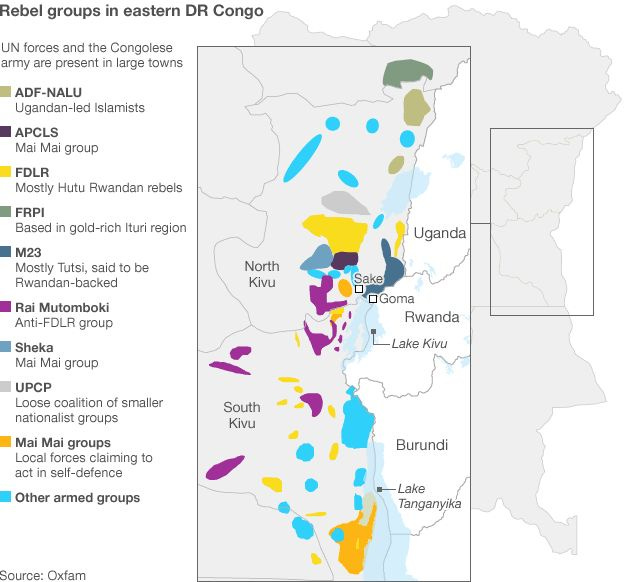
President Felix Tshisekedi’s government is leveraging national sentiments to establish legitimacy following a controversial election in 2018. The United Nations Organisation Stabilisation Mission in the Democratic Republic of the Congo (MONUSCO) force, which replaced an earlier UN peacekeeping mission in 2010, is in Congo to safeguard civilians and humanitarian workers and assist the Congolese government in stabilising and consolidating peace. However, frustrated Congolese say that no one is protecting them from rebel attacks, leading to protests in Eastern Congo and other parts of the country against foreign troop presence. Such popular demonstrations turned deadly in September 2023, when security forces opened fire at protesters who protested in Goma over the failure of UN and East African forces to stem the tide of attacks by March 23 (M23) rebels. Throughout MONUSCO’s tenure, eastern Congo has remained plagued by over 120 armed groups vying for control of the region’s valuable resources, including gold, and defending their communities. Some of these groups are believed to have clandestine support from neighbouring countries, particularly Rwanda. Rampant mass killings occasion the violence and have displaced nearly seven million people. In the interim, Tshisekedi’s government believes that the security collaboration “has proved its limits in a context of permanent war, without the longed-for peace being restored to eastern Congo.” This could serve as a cover for a push for increased sovereignty for Congo, which various international military forces have heavily influenced since the First Congo War (1996/1997). If regional international troops were to withdraw, Tshisekedi would have greater control, particularly in negotiations with international partners regarding mining rare earths. Nevertheless, a swift withdrawal may be premature, given the ongoing security challenges in Congo. The country has struggled to prevent proxy attacks from groups such as the M23 rebels and the Allied Democratic Forces (ADF), and tensions with Rwanda have escalated, nearly leading to direct conflict following the return of the M23 rebels in 2021. Also, unresolved border disputes have led to incidents where Rwandan border guards have fired on Congolese patrol soldiers, heightening the risk of a major conflict. In conclusion, while the withdrawal of MONUSCO from Congo may seem appealing, the country’s complex and volatile security situation warrants a cautious approach. Ongoing proxy attacks, border disputes, and escalating tensions with neighbouring countries present significant challenges that must be carefully managed.