
Aerial lockdown
Niger has banned all commercial and international flights to and from Nigeria but reopened its airspace for national and international…

Niger has banned all commercial and international flights to and from Nigeria but reopened its airspace for national and international commercial flights. The new directive says flights passing over Nigerian airspace without landing remain unaffected. All flights within Niger’s airspace must have operational Automatic Dependent Surveillance–Broadcast (ADS-B) and radar transponders. The country’s airspace remains closed to all military, operational and special flights. These flights will only be permitted with prior authorisation from the competent authorities. It said that the circular specifically concerns Niger and Nigeria and does not revoke any existing Notice to Airmen (NOTAM) in force.
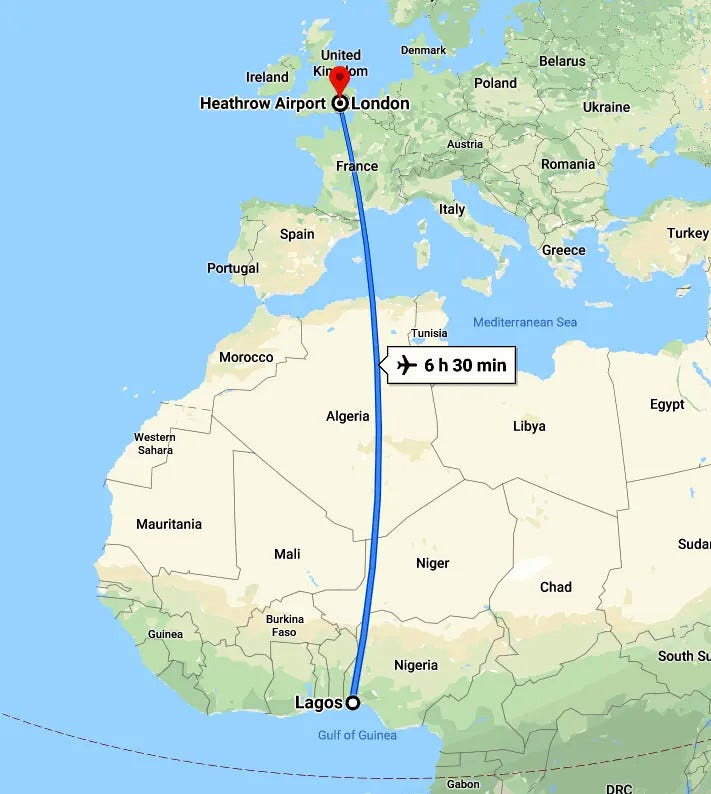
It is important to state that this is the most significant relationship breakdown between Niger and Nigeria since both countries became independent in 1960. Nigeria’s leadership within ECOWAS, from which Niger has recently withdrawn, led efforts to assemble a coalition aimed at reversing the coup. However, this effort failed due to opposition in Nigeria’s North. Sanctions imposed by Nigeria-led ECOWAS, such as electricity cuts and a border closure, have put pressure on the Nigerien junta, and talks between ECOWAS and Niger have broken down, leading to the latest developments. Niamey has escalated tensions after securing a deal with the US for continued access to the Agadez Drone operating base. This move weakened the international coalition against Niamey’s junta, putting the US at odds with France and Nigeria. The embargo on Nigerian flights may be a strategic move by Niamey to strengthen its position in future negotiations. The Nigerian flight embargo forces airlines flying directly between Europe and Nigeria to choose between flying over unsafe Libyan skies or through Mali to Algeria. Time will tell if the increased costs will push President Tinubu to engage in negotiations with the junta since the ban’s impact on West African trade might be more of localised turbulence than a region-wide downdraft. The bulk of West African trade still happens over land. Trucks are the true workhorses of the region’s economy, and while air cargo plays a vital role in specific sectors, its overall contribution pales in comparison. Passenger air travel, even between Nigeria and Niger, represents a small fraction of total regional travel. While the ban may inconvenience businesspeople and officials, the broader flow of goods and people is unlikely to be significantly disrupted. Airlines will adapt, potentially rerouting flights or adjusting schedules, but these changes are unlikely to affect the competitiveness of regional businesses significantly. As the diplomatic landscape evolves, it remains uncertain how the increased costs and logistical challenges arising from the flight embargo will influence negotiations between Nigeria and the junta.