
Africa’s gambit
Sub-Saharan African countries have recorded an average of 8 percent depreciation of their currencies since January 2022, the International…

Sub-Saharan African countries have recorded an average of 8 percent depreciation of their currencies since January 2022, the International Monetary Fund (IMF) said. External factors mostly drove the depreciations across the region. “Most Sub-Saharan African currencies have weakened against the US dollar, fanning inflationary pressures across the continent as import prices surge,” the Fund said. About half of Sub-Saharan countries had deficits exceeding five percent of Gross Domestic Product in 2022, putting pressure on their exchange rates. When currencies weaken against the US dollar, local prices rise, as much of what people buy, including food, is imported.
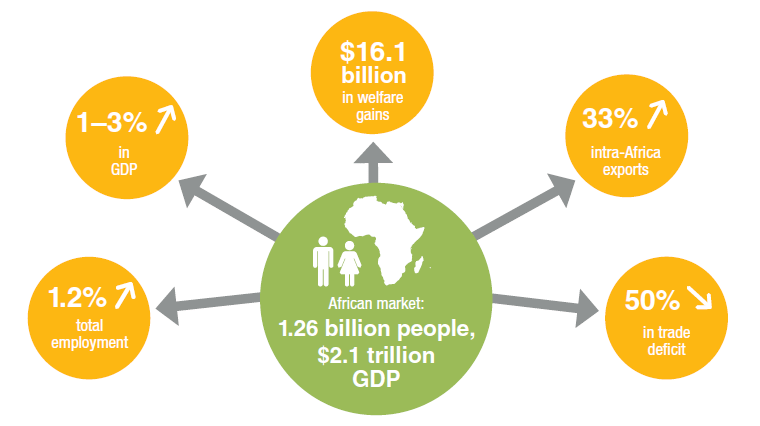
It is fashionable to blame the current economic downturn on the coronavirus pandemic — Nigeria’s President’s chief media adviser contorted himself into odd shapes when making the case on national television. In Nigeria, however, much of this pain is self-inflicted. It dates back at least the year before the pandemic hit when the government embarked on an ill-advised (and widely-panned) border closure to “stop the smuggling of illegal goods, chiefly rice,” in a crazed bit to improve local production and put a moratorium on the flow of illegal arms, which have fuelled the country’s security nightmare. None of those targets was achieved. Despite all available research showing a clear policy failure, the government persisted with that policy for more than a year, fuelling inflation and eroding the purchasing power of families. Other geopolitical factors, such as the war in Ukraine and the sanctions handed to the Russian economy, only compounded the problem. Sub-Saharan Africa has also done little to improve local manufacturing and boost intra-regional trade. Added to this are the transnational and cross-border conflicts that have starved governments of revenue and made investment impossible. Other plausible factors affecting exchange rates include economic growth, balance of payments, foreign reserves (and government intervention), public debt and interest rates. Many SSA countries are relatively small resource-based economies, dependent on harvesting or extracting natural resources for sale or trade. Economic uncertainties and slowdowns in countries like the US and China have affected the commodity demand. Also, financial markets in these countries rely on foreign direct and portfolio investors, and so are sensitive to interest rates in foreign markets, like the United States. As interest rates have risen in the West, foreign investors have pulled their funds as they can get higher lower-risk returns in their jurisdictions. Consequently, SSA countries are witnessing currency depreciation, which may continue for some time. Smart African countries will see an opportunity in this. As much of the depreciation is driven by factors beyond their control, it opens up the opportunity for cheaper African exports to enter global markets. It begs two questions, however — what do they produce (apart from primary commodities) that the world wants, and what can they quickly optimise to produce competitively? African countries have to do more to protect their currencies from US dollar exposure. It is already well-accepted that this would require reducing their imports from the US to reduce the demand for the American dollar and build up foreign exchange reserves, but a fundamentally sound option would be to have intra-African trade without the use of the high US-dollar prices. African countries should work on how to use their own currencies to settle trade transactions, which, apart from reducing demand for the dollar, would promote continental economic integration and cooperation and make African countries more resilient to external shocks. Would this happen by creating a single African currency, or would intra-African trade be done in the currencies of the countries involved? There are no easy solutions, but the benefits of increased trade and economic integration are worth chasing. Exporting is hard: it requires the discipline, efficiency and human capital that most SSA countries have not built up. Beyond aid, conferences and theories, this is Africa’s bold task.