
All eyes on Ojulari
President Tinubu reconstitutes NNPC board, appointing Ahmadu Musa Kida as chairman and Bashir Bayo Ojulari as CEO.

President Bola Ahmed Tinubu has reconstituted the Nigerian National Petroleum Company (NNPC) Limited board, appointing Ahmadu Musa Kida as non-executive chairman and Bashir Bayo Ojulari as Group CEO. The 11-member board includes Adedapo Segun as CFO, six non-executive directors, and representatives from the finance and petroleum ministries. Their key mandate is to review the company’s portfolio and implement oil sector reforms to attract investment. The government aims to boost investment to $30 billion by 2027 and $60 billion by 2030 while increasing oil production to two million barrels per day by 2027 and three million by 2030.
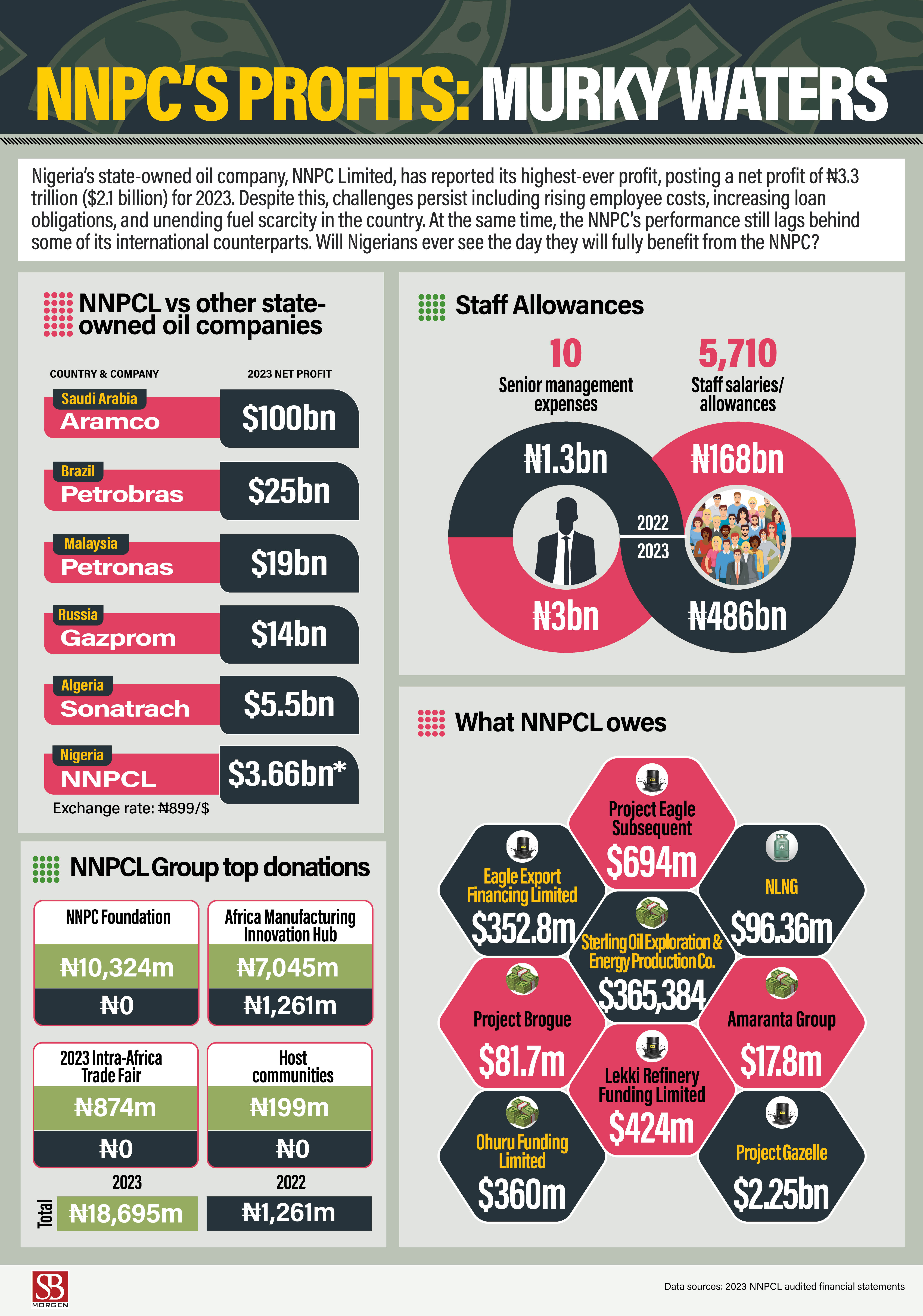
The leadership changes at the NNPC represent more than routine personnel changes - they signal a strategic pivot as the state oil firm prepares for its next chapter under the Petroleum Industry Act. While outgoing Group CEO Mele Kyari leaves behind notable achievements, including improved transparency through published financials and progress on refinery rehabilitation, his departure after five years marks a conscious shift towards private-sector expertise at a critical juncture.
What stands out about the new leadership team is its strong technical pedigree, particularly in gas and deepwater operations - two areas crucial to Nigeria's energy future. The appointment of Bayo Ojulari as CEO brings substantial private sector experience. This deliberate move away from NNPC "lifers" suggests serious preparations for a potential Initial Public Offering, where investor confidence will depend heavily on demonstrated commercial viability.
Yet beneath the surface of these merit-based appointments lie complex political calculations. The selection of Yoruba executives for both CEO and CFO positions could have drawn criticism about regional imbalance. However, the simultaneous appointment of Ahmadu Musa Kida, a northern former Total deepwater specialist, as Board Chairman appears designed to maintain geopolitical equilibrium. The removal of Tinubu ally Pius Akinyelure from the chairmanship further underscores the careful political choreography at play.
The new leadership inherits both progress and persistent challenges. While Mr Kyari's tenure saw oil production recover to 1.5 million barrels per day and advanced gas commercialisation efforts, daunting obstacles remain - from chronic crude theft costing over 200,000 barrels daily to ageing infrastructure requiring billions in maintenance. Perhaps most critically, NNPC faces growing competition from private refiners like Dangote that threaten its market dominance.
For ordinary Nigerians, these high-level changes will ultimately be judged by their impact on two basic metrics: fuel prices and availability. While global market forces play a role, the new team's ability to streamline operations and reduce inefficiencies could meaningfully affect household budgets.
As NNPC positions itself as a commercially viable entity, this leadership transition represents its most credible reform effort yet. However, true transformation will require depoliticising operations, cleaning up legacy financial entanglements, and demonstrating sustainable profitability beyond accounting manoeuvres. The coming months will reveal whether this marks the beginning of genuine change or merely another reshuffling of the deck chairs. With Nigeria's oil sector at an inflexion point, the stakes for both the economy and the Tinubu administration could hardly be higher.