
Axe the tax
In Nairobi, Kenya, more than 200 protesters were arrested during demonstrations against proposed tax hikes in a finance bill to be tabled…

In Nairobi, Kenya, more than 200 protesters were arrested during demonstrations against proposed tax hikes in a finance bill to be tabled in parliament. Civil society groups vow to continue protests and a sit-down strike outside parliament despite the arrests. Police used tear gas to disperse the crowd. While some tax proposals, like the VAT on bread, were dropped, others were amended. President William Ruto defended the taxes, emphasising financial self-sustainability, but opposition leaders rejected them. The protests come amid a high cost of living, with Kenyans already burdened by a 1.5% housing tax on gross income introduced last year.
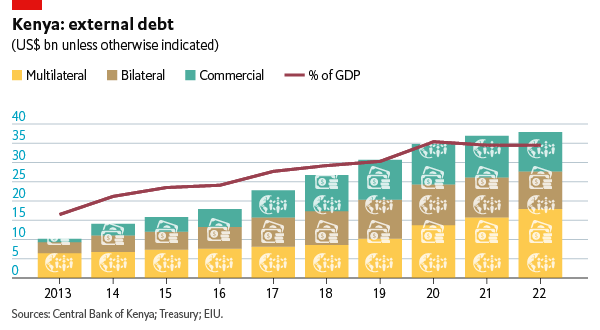
The tax hikes, including new levies on cars and bread, are the latest effort by the Ruto administration to boost revenue and reduce borrowing, but they have triggered widespread opposition. Since coming to office in 2022, President William Ruto has introduced several new and unpopular taxes intending to eliminate the country’s national debt of nearly $80 billion. Due to this week’s protests, a Kenyan parliamentary panel recommended Tuesday that the government scrap some new taxes proposed as part of next year’s budget. In January, the International Monetary Fund (IMF), one of Kenya’s major lenders, approved a $941 million lending boost to the country, with an immediate disbursement of $624.5 million, offering some relief to the East African country as it battles financial pressures. The disbursement under the Extended Fund Facility (EFF) and Extended Credit Facility (ECF) programmes was to be topped by a release of $60.2 million under the Resilience and Sustainability Facility (RSF) arrangement. Part of what led to this borrowing and taxation spree are environmental factors such as drought and socio-economic problems such as slow recovery from COVID-19 and a weak currency. Mr Ruto is currently walking on a tightrope. Although the next general elections are a few years away, the opposition to the tax drive and the protests that have followed have been driven by young people, most of whom make up his support base. An alternative to the taxation drive could come in various forms, including possible zero base budgeting and the very important duty of curbing government waste, reducing bureaucracy and plugging loopholes for corruption.