
Axed appointments
Ghana's Trades Union Congress urges President Mahama to halt mass public sector layoffs.

Ghana’s Trades Union Congress (TUC) is urging President John Dramani Mahama to halt the mass termination of public sector appointments, warning that it could devastate young Ghanaians, jeopardise livelihoods, undermine young citizens’ patriotism, and damage the country’s democratic reputation. The TUC criticised the revocation of appointments, particularly affecting teachers, nurses, and other professionals who have spent years pursuing education and struggling to secure employment. The TUC’s concerns follow a directive issued by the Chief of Staff, Julius Debrah, on 10 February 2025, instructing all government institutions to revoke appointments made after 7 December 2024.
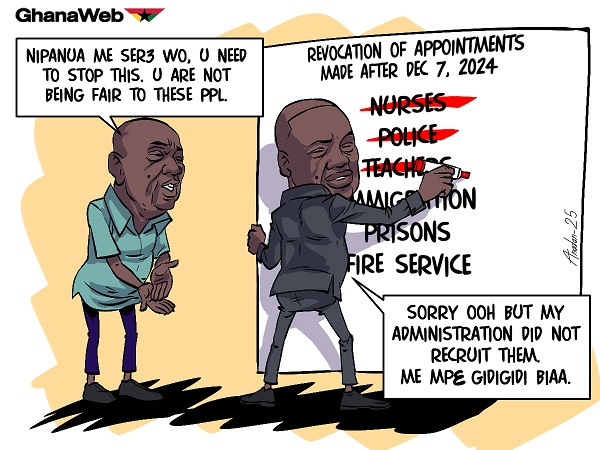
It's become a regrettable feature of Ghanaian democracy that incoming administrations often engage in widespread dismissals and recruitment freezes. Appointments made shortly before or after elections are frequently perceived as politically motivated, leading subsequent governments to terminate those positions. While this pattern is familiar, the current situation is notable for the sheer scale of the dismissals, impacting public sector workers across vital areas like education and healthcare. This has prompted legal challenges from affected groups pursuing claims of wrongful termination.
Although the precise number of public sector workers affected remains unclear, chatter indicates that President Mahama's administration has implemented these terminations on an unprecedented level. Beyond the legal ramifications, there's a fiscal dimension to consider. Analysts of Ghana's public sector wage bill suggest these dismissals could alleviate the government's escalating compensation costs. The International Monetary Fund (IMF), supporting Ghana with a $3 billion Extended Credit Facility (ECF) programme, projects that public sector wages and related remuneration will consume over 35% of the country's projected revenue in 2025 and more than 50% of tax revenue.
The Mahama administration is due to present its first budget in the second week of March. Attention is focused on the compensation budget, which is projected to reach $4.7 billion. This figure surpasses the entire three-year IMF bailout package. Therefore, observing how the government incorporates any potential savings from these terminations into the upcoming budget statement will be crucial.