
Bad business
In October, Nigeria’s business activities contracted for the first time in seven months, nearing levels seen in Q1 2023 owing to the cash…

In October, Nigeria’s business activities contracted for the first time in seven months, nearing levels seen in Q1 2023 owing to the cash shortages, according to Stanbic IBTC Bank’s latest Purchasing Managers Index (PMI). The headline index dropped to 49.1 from September’s 51.1, marking the third private sector contraction in 2023. Additionally, GlaxoSmithKline Consumer Nigeria Plc, set to dissolve following GSK’s departure from Nigeria, will pay shareholders ₦17.42 per share under the proposed scheme of arrangement. All outstanding shares will be cancelled, settling existing shareholders at the specified premium, excluding GSK UK.
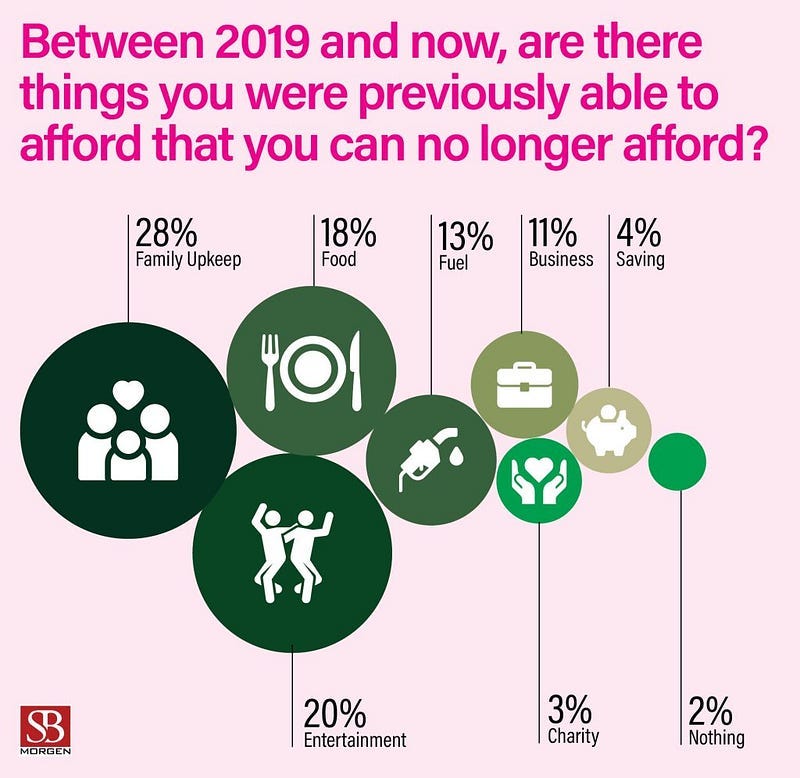
Nigeria’s government must understand that hype and publicity without the right policies properly implemented cannot lead to economic growth. Sadly, the current realities show poor economic growth. Purchasing power is at historic lows, and inflation is nearly 30%. Fast-Moving Consumer Goods (FMCG) companies are losing money, and healthcare companies are leaving the country, with GSK being just one of many. The government’s budget fails to acknowledge these realities and continues to predict massive growth despite these economic facts. Firefighting measures such as court orders preventing companies from selling, as in the case of Shoprite, will do little to stop the exodus. The only solution is to face the music and address the core problems. The Buhari years eroded the middle class, the very class whose buying power should drive economic growth. Returning that middle class by lifting people out of poverty, reversing the decline in purchasing power and attracting returnees or at least remittances from these returnees can boost the economy in the short term. But long-term solutions will ultimately require even deeper measures.