
Band-aid
Kenya has reinstated a small subsidy to stabilise retail fuel prices for the next 30 days following public anger over the high cost of…

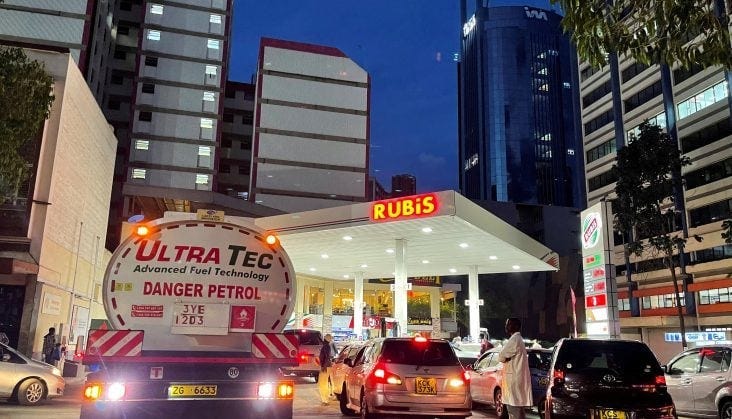
Kenya has reinstated a small subsidy to stabilise retail fuel prices for the next 30 days following public anger over the high cost of living. The Energy and Petroleum Regulatory Authority (EPRA) said the maximum retail price of a litre would remain constant at 194.68 shillings ($1.35), shielding consumers from an increase of 7.33 shillings. The government also applied small subsidies on kerosene and diesel. The director general of EPRA told Reuters they are basically giving Kenyans the levy charged at the rate of 5.40 shillings per litre collected over the past couple of months.
For opposition leader Raila Odinga, this is a major victory. Protests against rising living costs following the removal of subsidies rocked Nairobi and other parts of Kenya in June, further straining the relationship between the government of William Ruto and the opposition. Debt obligations could be seen as responsible for the move to cut social spending. According to the World Bank, Kenya’s total public debt accounts for 67% of its GDP. Both the World Bank and the International Monetary Fund have categorised this debt as posing a high risk of financial distress, which largely explains the decision to double the tax on petroleum products to 16%, introduce a new 1.5% housing tax for each employee and impose taxes on digital content creators, thus sparking a series of protests. While the reintroduction of energy subsidies may ease socio-economic tensions, there is very little indication that Mr Ruto’s government plans to stop at the cuts. Kenya’s government expects its GDP to grow at 5.5% this year. Inflation at 8.6% this year may pale in comparison with Africa’s top economies seeing double digits, but with a regional powerhouse like Kenya, the social problems that this could wrought will not only impact Kenyans, but also the refugees in its borders. There are no small subsidies. By nature, subsidies are bound to grow over time; regardless of the intentions of those introducing them, they always last longer than originally intended. The contradiction, of course, is that Africans are impoverished, and they cannot afford unsubsidised energy. This will be the continent’s long-term dilemma: How will Africans get energy at affordable prices in a way their governments can sustain?