
Black market
Over the last two weeks, troops of Operation Delta Safe have uncovered and destroyed 34 illegal oil refining sites and apprehended 59…

Over the last two weeks, troops of Operation Delta Safe have uncovered and destroyed 34 illegal oil refining sites and apprehended 59 suspected oil thieves. They have also demolished 38 dugout pits, 21 boats, 57 storage tanks, ten vehicles and various equipment used in illegal refining activities. Additionally, they recovered substantial amounts of stolen crude oil and other petroleum products. Tragically, an illegal oil refinery explosion in Rivers resulted in the deaths of at least 18 individuals, including a pregnant woman. The death toll may rise further as more people were believed to be at the site during the incident.
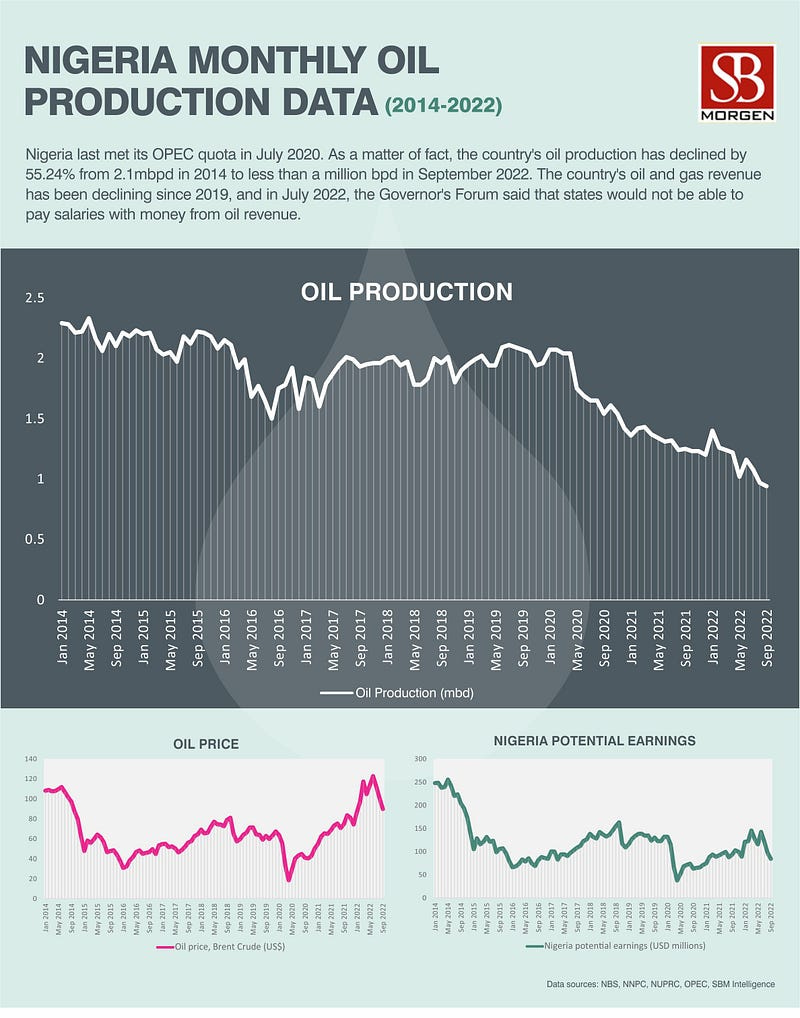
While the military’s renewed interest in destroying illegal crude refining sites is commendable, it is fighting an economic war on multiple fronts, which will not likely end soon. Announcements such as these have been commonplace in Nigeria’s media since at least two years ago when sabotage in the oil industry sank the country’s production capacity and tanked government revenue. Since then, the federal government adopted two major approaches: the first was to pay ex-militants to protect oil pipelines, while the second was to launch an onslaught against the saboteurs. From the government’s perspective, this twin strategy is working, and the bi-weekly announcements of discovery and destruction are a pointer to that fact. However, oil production still hovers around 1.4 million barrels per day, much smaller than the 2.4 million barrels the country used to produce in its heyday. An important reason for the seemingly impossible-to-end oil theft in the region is the prevailing ideology in the development-deprived Niger Delta that oil wealth does not benefit indigenes and residents, and such people are better off creating that wealth for themselves by stealing directly from the pipelines. This thinking is fuelled by the recently passed Petroleum Industrial Act, which gives a paltry 3% to host communities and a failure to reform the Land Use Act of 1978 which gives ownership of all natural resources to the federal government. These need to be addressed to end this new oil war. If this battle (against oil theft) ever ends, Nigeria would have to launch a new battle against environmental degradation that the oil spills, illegal oil refining and the military’s aerial bombardments of oil vessels have caused to the land and aquatic environments. The disadvantages of having illegal oil refineries in Nigeria’s oil-producing areas loom large. Environmental pollution, economic losses, crime and insecurity are just a few. Since the government’s difficulty in managing the situation stems partly from a lack of legitimacy and hostility from local communities that feel like strangers are syphoning away their resources, one way to help resolve the issue would be by enabling multi-tiered local participation in oil refining to create more local buy-in. The benefits of this approach would include reduced environmental pollution, increased government revenue, increased employment and economic opportunities, reduced local opposition to oil production and improved technological competence in the local workforce. Local refineries require workers with various technical skills, such as engineering, chemistry and process control. This would provide opportunities for local residents to develop their skills and improve their job prospects.