
Brewery upgrade beats security threats
AGL delivers two 50-ton industrial tanks from Abidjan to Ouagadougou, boosting Burkina Faso's brewery capacity and regional trade.

AGL Côte d’Ivoire and AGL Burkina Faso have delivered two 50-ton industrial tanks from the Port of Abidjan to BRAKINA near Ouagadougou. Shipped from Belgium, the equipment is expected to increase production capacity and modernise the brewery’s facilities. The 15-day journey required careful planning to navigate infrastructure challenges, cross-border procedures and difficult routes. More than 40 employees and specialised partners participated in the operation. AGL said the successful delivery underscores the strategic importance of the Abidjan-Ouagadougou corridor in supporting Burkina Faso’s industrial development and strengthening regional trade.
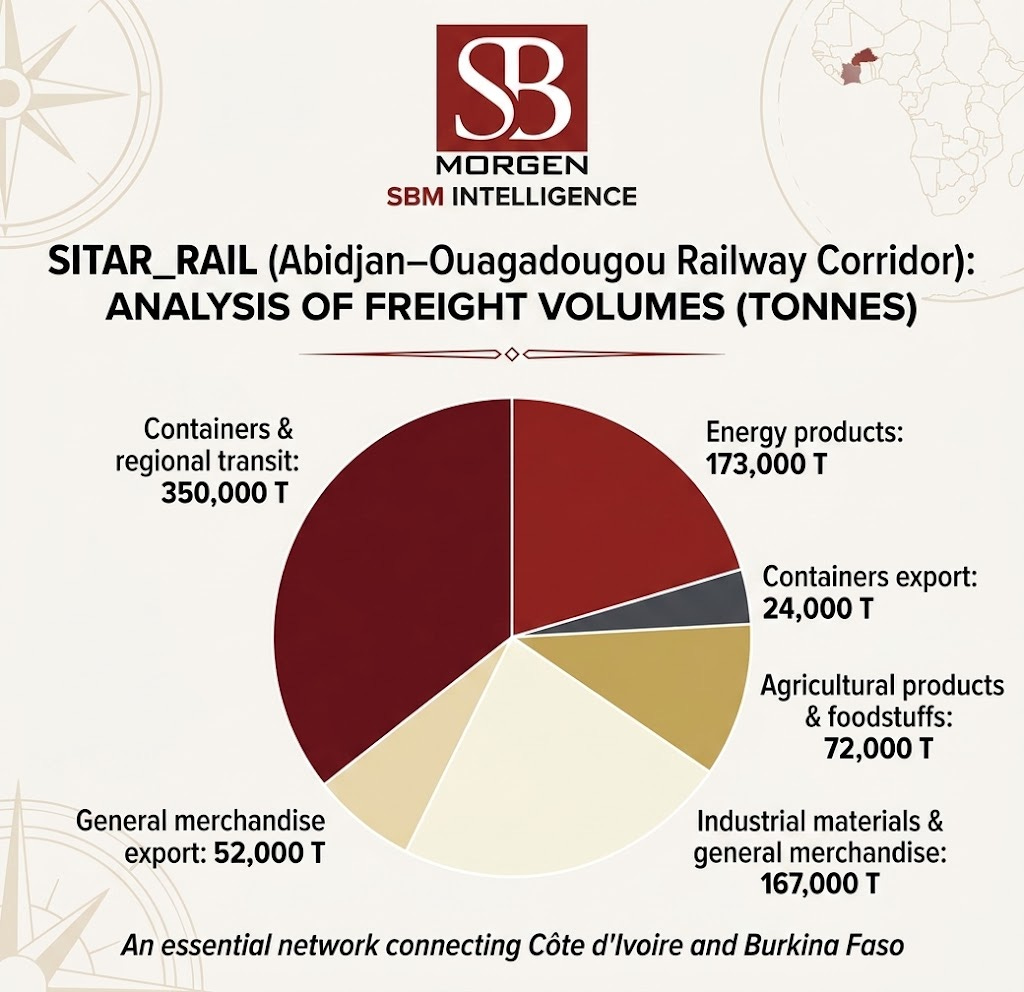
The two 50-ton tanks that completed a 15-day journey from Abidjan to a brewery in Ouagadougou are a useful way to understand a contradiction that is becoming more pronounced by the month. Commercial ties between Côte d’Ivoire and Burkina Faso remain deeply embedded even as their diplomatic and security relationship deteriorates toward its lowest point in years.
Burkina Faso is landlocked, and that single fact shapes its economic reality in ways that no political declaration can alter. Among the southern corridors available to it, the Abidjan-Ouagadougou route remains the most significant, giving Côte d’Ivoire a structural importance to Burkina Faso that politics cannot erase. The AGL delivery demonstrates that this corridor continues to function even as the bilateral relationship breaks down in almost every other respect. Neither country has replaced its ambassador since mandates expired in 2021 and 2022, and Burkina Faso withdrew most of its diplomatic personnel from Abidjan in October 2025.
The political deterioration has acquired a security dimension. Burkina Faso’s military leader Ibrahim Traoré has accused Côte d’Ivoire of sheltering individuals allegedly plotting against his government, and of maintaining arrangements with armed groups that allow them to operate from Ivorian territory. Abidjan has rejected the accusations. Security personnel from both sides have been detained in separate incidents. A confrontation in March reportedly required the intervention of an Ivorian military helicopter, and by mid-2026 Burkinabè militias were said to be making territorial claims over some Ivorian villages.
Against that backdrop, the tanks reached Ouagadougou not because governments resolved their differences but because businesses on both sides still have a practical interest in keeping the corridor alive. Burkina Faso needs the goods. Ivorian ports and logistics operators need the trade. That mutual commercial incentive is currently stronger than the political hostility on both sides.
The critical question is how long that remains true. Commercial incentives are not the same as institutional guarantees. Burkina Faso’s departure from ECOWAS, alongside Mali and Niger, removed the common architecture of tariffs, border access, and customs procedures that gave the corridor predictability beyond bilateral goodwill. The Abidjan-Ouagadougou route now depends on exactly what is in shortest supply between the two governments. A single retaliatory border closure, customs blockade or serious security incident could disrupt shipments and would need to be resolved through diplomatic channels that no longer function properly.
The economic exposure between the two countries is asymmetric in ways that matter. Côte d’Ivoire has alternative markets and relationships. Burkina Faso cannot manufacture a coastline. Redirecting trade through Ghana, Togo, or Benin is possible in principle, but entails different distances, costs, infrastructure constraints, and security risks. Developing those alternatives requires roads, railways, customs infrastructure, storage capacity and significant capital. Until they exist at sufficient scale, Ouagadougou remains structurally dependent on its southern neighbours regardless of its political posture.
For businesses, the practical consequence is not only whether a shipment can cross the border today. It is whether companies can plan around the corridor six to twelve months from now. Supply chains require predictability. A route that remains open most of the time but can close suddenly because of a diplomatic dispute carries a risk premium that eventually becomes embedded in the cost of doing business in Burkina Faso. Traders may hold larger inventories. Insurers may price in greater political risk. Transporters may demand higher rates. Importers may begin paying the premium to route goods through Lomé or Tema. The physical infrastructure would remain intact, but the corridor's economic efficiency would erode.
Côte d’Ivoire has its own strategic calculation. Abidjan benefits from Burkina Faso as a hinterland market. A sustained deterioration in trade could encourage Ouagadougou to invest more seriously in alternative corridors, thereby reducing Abidjan’s leverage over time without eliminating Burkina Faso’s underlying dependence on coastal neighbours.
The deeper paradox is that Burkina Faso’s sovereignty-first foreign policy is pursued by a government whose economy remains structurally dependent on cooperation from the countries it has chosen to confront. Traoré can reject regional institutions, distance himself from Abidjan and adopt a more confrontational security posture. Geography, however, is indifferent to political ideology. Burkina Faso still needs access to the sea. The tanks reached Ouagadougou because that need remains stronger than the political grievances surrounding it. The risk is that it eventually does not.