
Bridging the rift
Ethiopia names new Somalia envoy, easing tensions, while Sudan’s RSF attacks a Darfur camp, killing 40 amid worsening violence.

Ethiopia has appointed a new ambassador to Somalia, signalling a potential thaw in strained bilateral relations marked by regional security and political tensions. Though the envoy’s name remains undisclosed, Somalia has welcomed the move, viewing it as a step toward renewed cooperation on counterterrorism and economic development. Analysts note this could enhance security coordination across the Horn of Africa. Meanwhile, in Sudan, the Rapid Support Forces (RSF) attacked Abu Shouk displacement camp in North Darfur, killing at least 40 civilians. The assault highlights escalating violence and humanitarian deterioration, as mediation efforts falter and over 10 million remain displaced nationwide.
The appointment of a new Ethiopian ambassador to Somalia signals a potential turning point in a long-running dispute, although the path to this point has been complicated. The core of the issue has been Ethiopia's pursuit of sea access, a strategic goal since it became landlocked after Eritrea's independence in 1993. Ethiopia, now almost completely dependent on Djibouti for maritime trade, has been seeking an alternative.
In late 2023, Prime Minister Abiy Ahmed’s declaration that Ethiopia would secure sea access "by any means necessary" heightened regional tensions. This led Ethiopia to bypass Mogadishu and sign a deal with Somaliland, a self-declared independent region of Somalia. The agreement promised Ethiopia a stake in the Berbera port in exchange for a share in Ethiopian Airlines and potential recognition of Somaliland's sovereignty. Somalia reacted strongly, signing a defence pact with Türkiye and threatening to expel Ethiopian troops.
Türkiye attempted to mediate, but talks collapsed in July and August. However, the situation shifted with the Ankara Declaration in December, which restored diplomatic ties and affirmed Somalia’s territorial integrity. Subsequent high-level meetings—a summit in Addis Ababa in January and a visit by Abiy Ahmed to Mogadishu in February—formalised military and security cooperation under the AUSSOM framework. While the status of Somaliland is still being debated, the appointment of an ambassador could be a sign of incremental progress.
However, as we noted in 2024, Ethiopia has a history of using delays for strategic advantage. External actors are also influencing the situation. A growing foreign policy faction in Washington has been lobbying the Trump administration to recognise Somaliland as a counterweight to Chinese influence in the Horn of Africa, which could destabilise the region further.
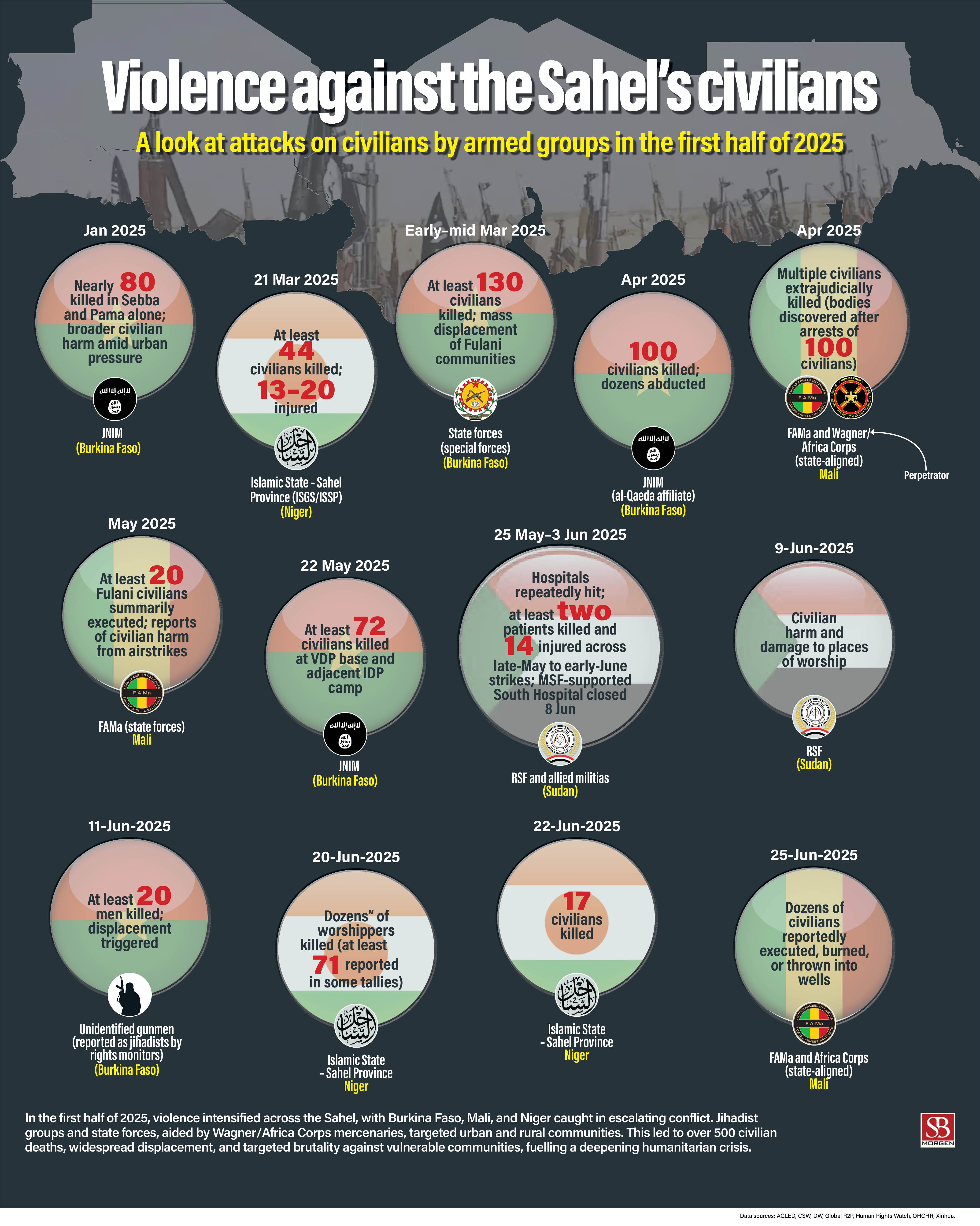
Sudan provides a stark contrast to the tentative reconciliation between Ethiopia and Somalia. The conflict there has seen the Rapid Support Forces (RSF) intensify their assault on El Fasher, the last stronghold of the Sudanese Armed Forces (SAF). This has created famine conditions and widespread displacement. A particularly troubling attack by the RSF on the Abu Shouk displacement camp near El Fasher targeted the Zaghawa community, who are perceived as being loyal to the SAF. This is likely a calculated strategy to erode civilian support and weaken the SAF's control in North Darfur. The conflict is being fuelled by external involvement, with the UAE allegedly supplying arms and logistics to the RSF via Nyala airport. Without curbing this external support and securing humanitarian access, there is a heightened risk of mass atrocities and further humanitarian collapse.
Ultimately, the rapprochement between Ethiopia and Somalia, driven by a mutual need to manage regional security issues like Al-Shabaab, represents a tactical shift. For Somalia, facing internal fragility, re-engagement with Ethiopia offers a pragmatic path forward. For Ethiopia, managing domestic unrest and cooling relations with the West, this new diplomacy provides a means to maintain regional influence.
This tentative progress, however, is overshadowed by the escalating crisis in Sudan. The targeting of displacement camps in Darfur is not an accident; it is a deliberate strategy of terror. The stark divergence between Ethiopia and Somalia's isolated gains and the broader deterioration in Sudan highlights the current reality of the Horn of Africa. This moment is both a test and an opportunity for international partners, including the African Union and IGAD. Any support for regional diplomacy must be matched by urgent, coordinated action to protect civilians and end the mediation deadlock in Sudan.