
Bridled consumption
Nigeria’s daily petrol usage dropped by 28% after President Tinubu eliminated fuel subsidies in May. Data from the industry regulator…

Nigeria’s daily petrol usage dropped by 28% after President Tinubu eliminated fuel subsidies in May. Data from the industry regulator showed that average daily consumption decreased from the previous average of 66.9 million litres to 48.43 million litres in June. Responding to the subsidy removal, state chapters of the Nigeria Labour Congress have initiated negotiations with their respective state governments to mitigate the impact, with the national level pledging to ensure that states comply with agreements made. President Tinubu said that the fuel subsidy era has ended, adding that the 2023 budget does not allocate funds for it.
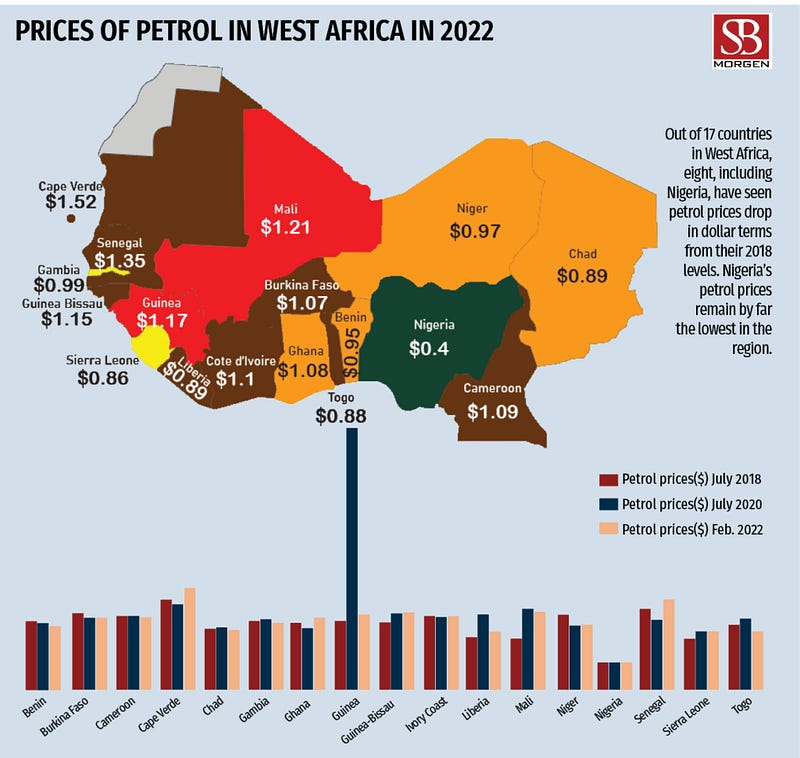
President Tinubu’s abrupt announcement of the removal of the subsidy on petrol importation and consumption dealt a big blow to the domestic demand for it, leading to reduced consumption amongst Nigerians. Petrol prices have risen by up to 250%, forcing many Nigerians to adjust their product usage by reducing unnecessary trips and taxi rides and opting for public transport or carpooling. The subsidy removal also devastated the smuggling racket, which had thrived for five decades due to the incentives provided by selling cheap petrol from Nigeria in neighbouring countries. Noteworthily, petrol prices in Nigeria’s neighbours have been rising alongside Nigeria’s, indicating that the supply lines still depend on Nigerian petrol, indicating that these countries are yet to find alternatives to the Nigerian supply. With the surge in pump prices, petrol smugglers no longer find moving products from Nigeria to these neighbouring countries lucrative. After introducing subsidies to cushion the effect of a quadruple rise in oil prices, the federal government added another layer of price compression to make the cost of supplying petrol uniform and bring the products to the hinterland. Some of the 33,000-litre trucks making these runs spent more than the allotted 10 days on the road that made them qualify for the bridging fund payment, even after they were installed with rediffusion tracking devices. Instead of transferring subsidy payments directly to the pumps from the ports, the government maintained a scheme that favoured the connected elites rather than the poor, resulting in Nigerians subsidising cheap petrol for Nigeriens, Cameroonians and Beninois. The Nigerian government should disregard protests against this policy as seen in Cameroon and the Benin Republic. We expect that the Nigerian National Petroleum Corporation (NNPC) will resume its contribution to the Federation Account Allocation Committee (FAAC) accounts now that it no longer bears the burden of subsidies. Consequently, some FAAC revenues should be allocated to fund higher worker wages. In addition, the Nigerian government must actively seek refineries that can meet local petrol demands to counter the potential negative impacts of floating the naira on businesses and the poor. During the famous 2012 debate that the then-Central Bank Governor Lamido Sanusi attended, he lamented that the country was giving out more forex to oil marketers than it was getting from selling the product in its unrefined form. Between the upstream and the downstream petroleum sectors, as well as the “invisibles” class of forex demand, Nigerian businesses may not find enough dollars in the foreign exchange market, and that will keep the naira devalued. The Tinubu government must prioritise saving dollars by refining all consumed oil. This could strengthen the naira, reduce pressure on the forex market and potentially slow down price increases for businesses, although prices may not go lower than pre-2022 levels.