
Buck-passing
The Federal High Court in Abuja declined a request to postpone the 2023 Census slated to hold from 3 to 5 May, hinged on ensuring the…

The Federal High Court in Abuja declined a request to postpone the 2023 Census slated to hold from 3 to 5 May, hinged on ensuring the National Population Commission’s adequate preparation, publicity and funding. President Muhammadu Buhari had approved the postponement of the 2023 census to a date to be determined by the incoming administration, with the information minister, Lai Mohammed, saying that the decision reiterated the critical need for the conduct of a population and housing census to collect up-to-date data that will drive the country’s developmental goals.
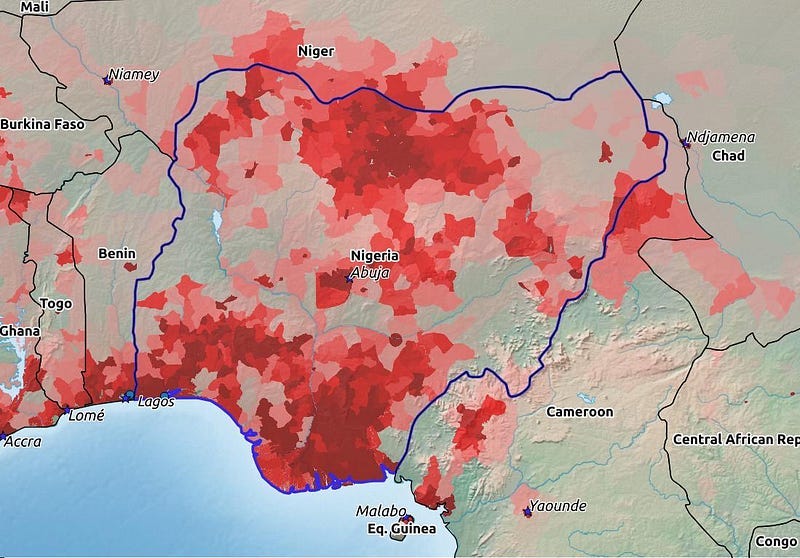
One of the perks of running a diverse state like Nigeria is that trivial and important issues alike are viewed through ethnic and domestic geopolitical lenses. One major casualty of this state of affairs has been the census, which has never been held without rumble. The upcoming exercise will be no different. While the political consequences of holding a census loom large, the immediate concern is financial. Access to accurate population data is crucial for effective planning and provision of essential services such as transportation, health, housing and security. Notwithstanding, the Buhari administration has treated the census as an afterthought, raising concerns about the NPC’s readiness to conduct the exercise effectively. It is curious that after not conducting a census since 2006, Abuja has become so determined to conduct one even in the face of clear funding, political, and security challenges that the courts had to get involved. Nigeria cannot afford a census projected to cost around ₦869 billion ($1.19 billion), with post-census activity estimated to cost ₦626 billion. The government has made budget provisions for only 25% of the total cost. Considering that the census conversation has been ongoing for at least two years, the state will obviously have to provide for it by taking on more debt, particularly in a political environment wrestling over the mooted removal of fuel subsidies. It does not help that most Nigerians are not strongly demanding a census, so there isn’t a lot to lose from suspending it until the finances are sorted. We believe there is no hurry in conducting a census that is already a decade late. The courts should allow the NPC to take its time and conduct one when preparations are in order. Additionally, the incoming administration must draw lessons from this and develop a comprehensive implementation plan for the headcount, ensuring comprehensiveness and accuracy. This plan must include an effort to integrate critical stakeholders, such as sociocultural gatekeepers and such agencies as the Nigerian Orientation Agency, to drum up the necessary inclusivity and raise awareness in every part of the country. A silent census is no census. It must be clear to every Nigerian that it is headcount time.