
Bullet trails
Nigerian security forces neutralized 6,260 terrorists, arrested 14,000 criminals, and rescued 5,300 kidnap victims in two years amidst persistent insecurity and intelligence lapses.

Nigerian security forces have intensified operations against insecurity, killing 6,260 terrorists, arresting over 14,000 criminals, and rescuing 5,300 kidnap victims in two years. Customs recently seized 1,400 cartridges, while the DSS arrested gunrunners with large ammo caches. National Security Adviser Nuhu Ribadu links illicit arms to rising violence. Despite gains, insecurity persists—12 were killed in Borno by a female suicide bomber. A leaked DSS memo revealed prior warnings before attacks in Benue and Nasarawa that killed over 200. Troops were diverted by false reports, allowing attackers to strike, exposing serious lapses in intelligence response and coordination.
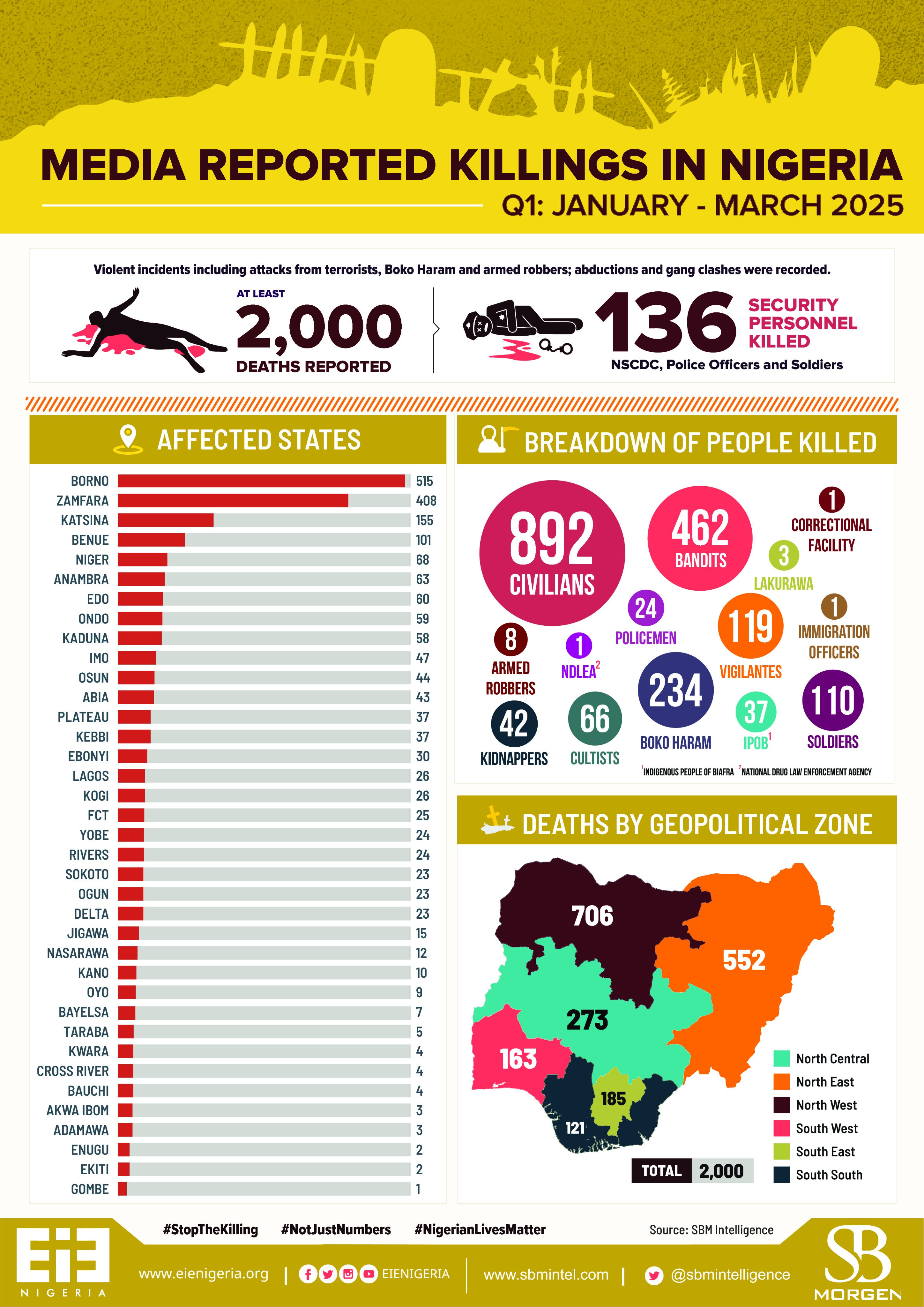
Security analysts often attribute Nigeria's persistent security crisis to intelligence failures or gaps in gathering capabilities. However, this perspective is fundamentally flawed. Numerous incidents, including the recent massacres in Yelewata and neighbouring Benue communities, clearly show that intelligence agencies issued warnings before major security breaches. Nigeria possesses some of the region's most advanced human and electronic intelligence assets, which have consistently supported military operations on various fronts.
The core problem, therefore, isn't a lack of intelligence, but rather how it's utilised. Nigeria's security services have historically prioritised regime security over national security, meaning vital resources are not adequately allocated to protecting citizens. This approach has led to the deliberate underfunding of the police force, a strategy dating back to military rule designed to weaken rival power centres and reinforce military dominance. Consequently, the military is frequently drawn into internal security issues, stretching its capacity and diverting it from its primary mission, particularly the counterinsurgency war in the Northeast.
The recent bombing incident tragically evokes memories of Boko Haram's most brutal period between 2013 and 2015, when the group frequently used child and female suicide bombers to sow destabilisation. A 2017 study by the Combating Terrorism Center at West Point revealed that between April 2011 and June 2017, Boko Haram deployed 434 suicide bombers across 247 targets in 238 attacks. Of these bombers, at least 56% were women, and a minimum of 81 were children or teenagers. In fact, that same year, Boko Haram surpassed the Tamil Tigers' decade-long record of 44 female suicide bombers, making it the deadliest terrorist group globally in this specific tactic.
Despite the high number of attacks, data from the Council on Foreign Relations indicated that Boko Haram's suicide bombings had a relatively low fatality rate of only 21.5% by mid-2017. This raises questions about the group's continued reliance on such methods. One tactical advantage for the group was the use of Islamic dress, like the burka, which allowed female bombers to conceal explosives and bypass security checks. Boko Haram only began to scale back this tactic after sustained military pressure and coordinated regional campaigns forced it into a survival mode.
However, that pressure has unfortunately waned, initially with the introduction of the problematic "super camp" strategy and subsequently with the effective collapse of the regional Multinational Joint Task Force. These lapses have provided both Boko Haram factions with the necessary space to regroup and reignite their ambitions for a caliphate.
The persistence of these attacks underscores deeper structural issues: Nigeria's security challenges are evolving in ways that the current security architecture is ill-equipped to handle. The heavy reliance on kinetic force has often yielded limited results and failed to provide lasting solutions. What's critically missing are the non-kinetic measures needed to complement military operations. These include more effective intelligence coordination and a resolute commitment to justice, encompassing victim support and holding perpetrators accountable. Implementing such measures would help deter violence, especially when it's used to settle disputes or advance ethnic and political agendas. Without credible consequences, perpetrators will continue to act with impunity.