
Canada’s new reckoning: Navigating geopolitical rupture and African agency
Canada PM's speech at Davos confirms Africa's long-held view of a fractured global order. The continent must build pragmatic sovereignty through regional resilience.

In his recent Davos address, Canadian Prime Minister Mark Carney articulated what many in the West are only now beginning to grasp: the world is in the midst of a “rupture, not a transition”. The old rules-based order, long a vehicle for asymmetric enforcement, is fading.
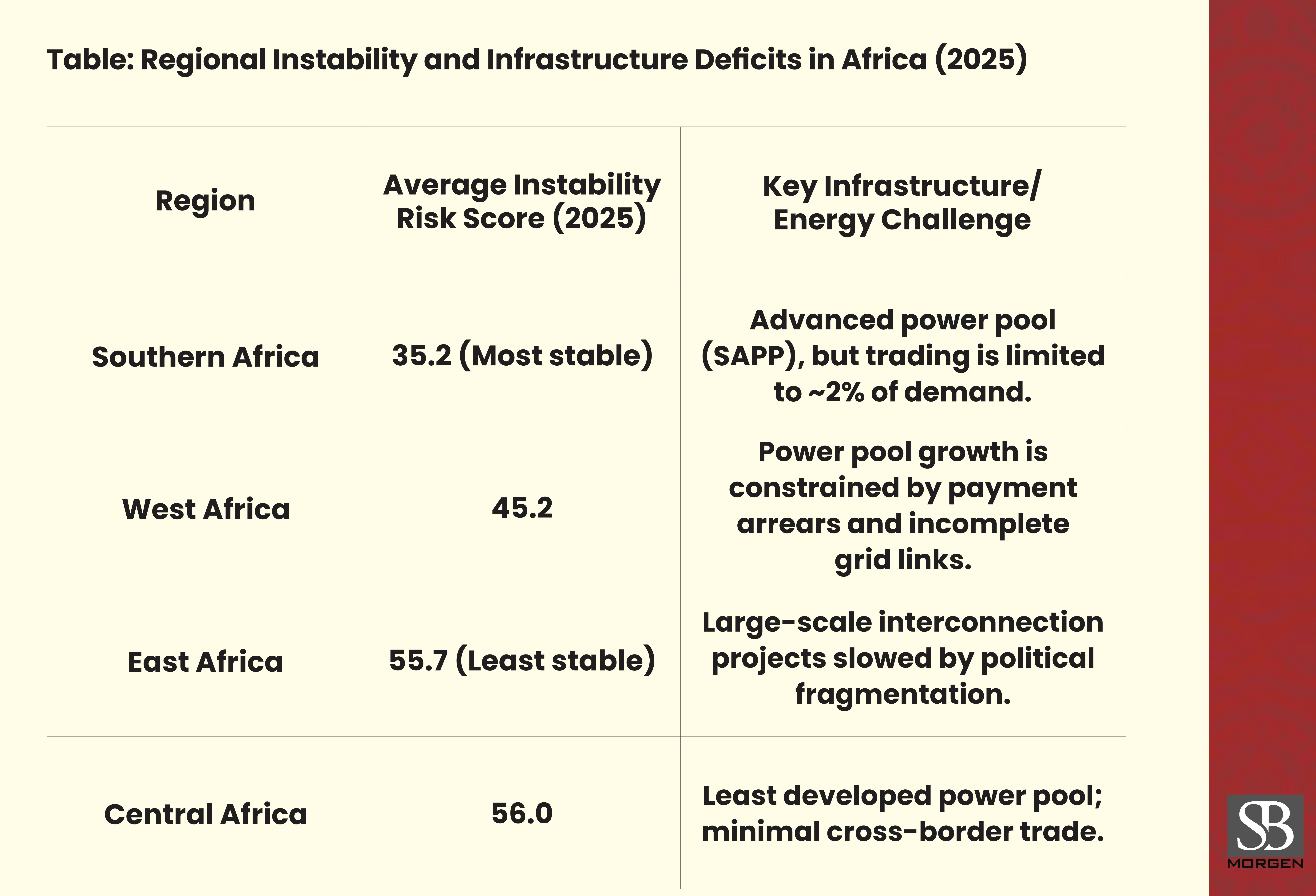
For Africa, this is not news but a long-standing reality. The continent’s average instability risk score worsening to 48 in 2025 is not a symptom of a new crisis but a metric of a chronic condition. Carney’s diagnosis of strategic terror, a state unable to feed, fuel, or defend itself, is the baseline from which African countries have operated for decades.
The core divergence lies in the prescription. For a wealthy middle power like Canada, “strategic autonomy” is a project of trillion-dollar investments and diversified alliances. For African states, autonomy is a question of foundational capacity, hamstrung by fiscal precarity and infrastructural gaps.
The African Continental Free Trade Area (AfCFTA) embodies the collective pathway, but its success hinges on overcoming physical barriers far more than regulatory ones. This forces a pragmatic, multi-vector diplomacy: securing infrastructure from China, counterterrorism support from the United States, and training from Turkiye, all while consciously avoiding over-dependence on any single partner.
As Carney warned that those not at the table are on the menu, the immediate African task is to ensure it is neither. This requires mastering coalition-building from a position of relative weakness, engaging in issue-based alliances with all comers based on concrete deliverables, not historical allegiance.
Ultimately, true sovereignty in this rupture will be “anchored in the ability to withstand pressure.” For Africa, this translates directly into the unglamorous work of building material resilience to reduce the desperation that invites coercion. The data is stark: despite holding 60% of the world’s best solar resources, Africa attracts less than 3% of global clean energy investment, and over 600 million people lack reliable electricity. This energy poverty is a strategic vulnerability. The remedy is not mere diplomatic rhetoric but tangible projects, such as regional power pools and the vision of a single African electricity market, that would convert distributed resources into collective security. Similarly, policies that mandate local mineral processing and build regional agricultural buffers are not protectionism but essential insulation from external shocks.
For African policymakers, the priority must be to accelerate functional regional integration, moving beyond signed agreements to interconnected grids and harmonised industrial policies. For financial decision-makers, the rupture presents both acute risk and structural opportunity, with a growing premium on investments that enhance local capacity and shorten regional supply chains. For foreign partners, the era of presumptive alignment is over; engagement will be judged by tangible deliverables, such as technology transfer and market access.
The “signs in the window” that Carney urges nations to take down were often placed by African states under duress or necessity. The current rupture, while precarious, creates space for a more authentic engagement with the world. For Africa, the goal is not to find a new table set by others but to build its own house on foundations of its own making. This requires moving beyond the performative diplomacy of the past and undertaking the hard, material work of building interconnected grids, integrated industrial bases, and accountable regional institutions. The nations that succeed in this endeavour will not just withstand pressure; they will define their own future in the age of many powers. The message from Carney is clear: the old performance is over. Africa’s response must be equally clear-eyed, grounded not in anxiety, but in a hardened pragmatism forged by long experience.