
Capital politics
Nigeria’s House of Representatives extended the implementation of the 2022 budget’s capital aspect and the supplementary appropriation for…

Nigeria’s House of Representatives extended the implementation of the 2022 budget’s capital aspect and the supplementary appropriation for the preceding financial year after a bill was passed to extend the 2022 Appropriation Act’s capital implementation from 31 March to 30 June. This is the second extension of last year’s Act, as the House had passed an extension bill from 31 December 2022 to 31 March 2023. The green chamber also approved an ₦819.54 billion supplementary budget sent by President Muhammadu Buhari.
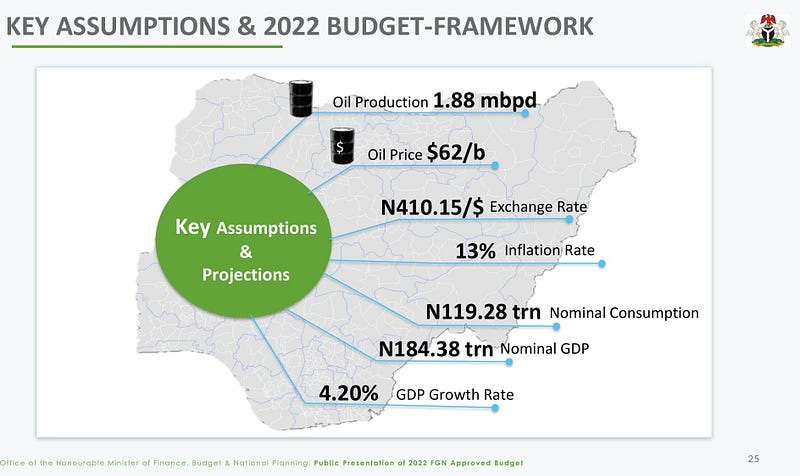
This administration has already extended the capital implementation time frame for various causes. The government has repeatedly stated that this delay is necessary to finish ongoing projects. The financial year in Nigeria runs from January to December, and several factors could prevent some projects from being finished on schedule. The Nigerian budgeting process has often been described as an exercise resembling an academic ritual. Once a budget is approved, it disappears out the window, and business as usual resumes. Implementation extensions are an annual rite necessitated by the consistent revenue shortfalls that such wasteful behaviour as subsidy spending compels. Even so, the 9th National Assembly had an opportunity with this particular budget to change tack; hence its decision to approve the supplementary budget as part of the 2022 fiscal year baffles. Both legislative houses approved the 2023 budget on the same day and were advised by a senior senator, Ali Ndume, to add the supplementary budget to the capital expenditure envelope for 2023. “It is not possible for the ₦819.5 billion supplementary budget to be implemented within 90 days from now. Let’s not deceive ourselves but if the Senate wants to go ahead, so be it,“ Thisday quoted Mr Ndume as saying on the last day of 2023. To accommodate the extra-budgetary wishes of the Executive, lawmakers approved the extension despite the impracticability of the effort. Reality has proven Mr Ndume correct. This waste of taxpayers’ time is one of the instances that firmly cements the 9th Assembly as a rubber-stamp legislature. The new extension doubles down on those challenges. The National Assembly has effectively put pressure on the Debt Management Office to raise and disburse funds in half the time. The implementing agencies have also been squeezed into making sure they start projects in quick time, leaving no room for planning to ensure the right line items are prioritised and executed. This government took over many unfinished projects from the previous administration and cannot guarantee the completion of the projects within this extended term. If we have a same-party handover, project continuity should not be an issue unless there is another internal dispute or the project contract award procedure is not conducted according to the law. On 29 May, this administration will transition to a new one, so concentrating on housekeeping activities rather than active expenditure should be its playbook. Whether the incoming administration pays attention to better budget implementation, which it should, is anyone’s guess.