
CBN act ruckus
The Senate has bowed to public pressure by suspending the planned public hearing on the amendment to the Central Bank of Nigeria (CBN) Act…

The Senate has bowed to public pressure by suspending the planned public hearing on the amendment to the Central Bank of Nigeria (CBN) Act 2007 to allow for further consultations and input from key stakeholders. This came after some reports that lawmakers wanted to strip the CBN of the decision to fix interest rates and assign the task to a team headed by the Minister of Finance. A special adviser to the senate committee chairman on banking, insurance, and other financial institutions, Uche Uwaleke, said those reports are false.
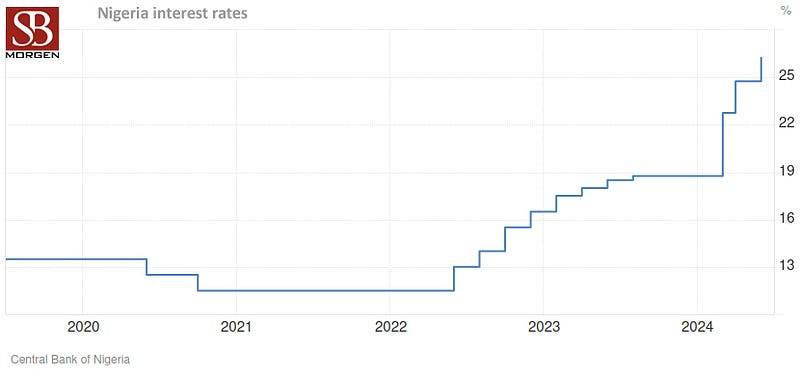
A popular saying is that “the road to hell is paved with good intentions.” In Nigeria, politicians have decided it is best to have a coordinating committee “for the alignment” of both arms. Additionally, the CBN’s activities will be subject to the supervision of a committee headed by the finance minister — as if the minister doesn’t already have enough on his plate. Although the special adviser of the committee has denied that it intends to impede the central bank’s independence, this development may erode trust among citizens and investors in the CBN’s ability to coordinate monetary policy effectively. Any plan for lawmakers to strip the CBN of this core function and place it in the hands of bureaucrats who lack the necessary skills or experience would be disastrous for the country’s economy. Nigerians must face the reality that in the FX market, like any other market, prices are determined by the demand and supply of goods and services. The value of the naira reflects the financial status of the overall economy, which is unproductive. Regarding the contradictions in Mr Uwaleke’s statement, where he claims media reports are false on the one hand and then announces the suspension of proceedings due to these reports, tacitly validating them, everyone concerned must keep a keen eye on the review of the Banks and Other Financial Institutions Act whenever it resurfaces. The previous behaviour of the National Assembly of Nigeria has been to repeatedly attempt to introduce unpopular laws and amendments, perhaps in the hope that one will slip through unnoticed. There is no reason to believe this will be the last attempt, and stakeholders must be ready to apply the necessary pressure to shut it down each time. To ensure the smooth working of the Nigerian economy, both the fiscal and monetary authorities must work hand in hand, but the idea of separating monetary policy from fiscal policy must remain, even if the reality of the political economy deviates from this ideal.