
Chagos chapter
UK to transfer Chagos Islands sovereignty to Mauritius, leasing back Diego Garcia military base for 99 years.

The UK government is finalising a deal with Mauritius to transfer sovereignty of the Chagos Islands while allowing the UK and US to maintain a military base on Diego Garcia for 99 years. The agreement, which has been in the works since last October, would enable Mauritius to gain control of the islands, but the UK would lease back the base for a significant period. Despite initial concerns from US President Donald Trump, he has since indicated support for the deal, calling it a “very long-term, powerful lease”. The UK government has defended the deal as “extremely important for our security,” but critics argue it’s not in the UK’s national interest and could cost up to £18 billion ($23.58 billion).
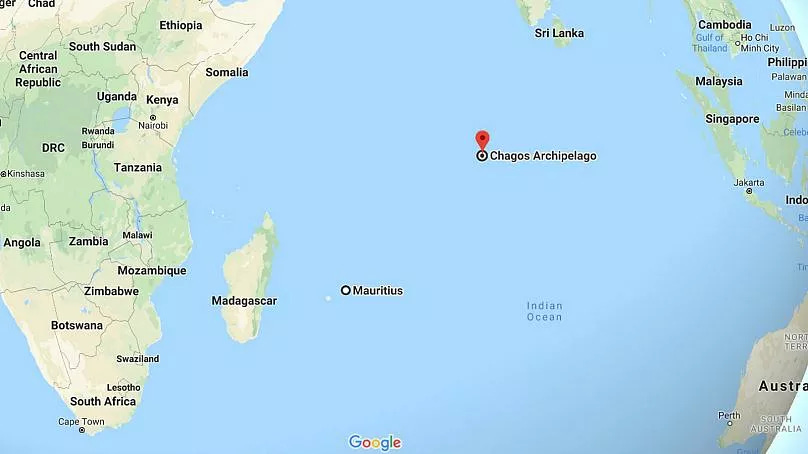
The UK’s transfer of Chagos sovereignty to Mauritius, with a 99-year Diego Garcia lease, is a tightrope walk rooted in colonial legacy and modern geopolitical necessity. Carved from Mauritius in 1965, the archipelago’s Chagossians were expelled to clear space for a US base—a Cold War gambit now tempered by ICJ rulings against UK control. This deal, which has been brewing since October 2024, attempts to balance legal pressures with strategic imperatives.
Diego Garcia’s importance is existential for the US. Housing a nuclear-capable airstrip and a crucial naval outpost, the island serves as the Indian Ocean’s indispensable aircraft carrier. Its strategic location is vital for facilitating rapid military strikes in the Middle East, conducting essential surveillance of Asia’s critical maritime choke points, and acting as a key element in countering China’s expanding naval influence in the region. The loss of Diego Garcia would severely impair US intelligence gathering capabilities and significantly cripple its ability to project power across a vast and strategically important area.
Critically, no alternative site possesses the unique combination of isolation and extensive reach that Diego Garcia offers. By securing its position as the leaseholder, the UK plays a crucial role in ensuring the continued operational viability of this strategic lynchpin. This agreement serves to deepen the already strong strategic ties between the United States and the United Kingdom.
While some voiced initial doubts, particularly concerning potential Chinese influence operating through Mauritius, the prevailing understanding has evolved towards firmly backing a “powerful lease.” This stance unequivocally affirms the base’s enduring sanctity amidst the escalating strategic rivalry in the Indo-Pacific. The legal clarity provided by this carefully constructed deal further solidifies their crucial strategic partnership.
In the broader context of the Indian Ocean, Diego Garcia acts as a significant check on Beijing’s growing ambitions, playing a vital role in securing crucial global trade routes and the maritime arteries that sustain them. For Mauritius, the agreement brings the long-awaited prospect of regaining sovereignty over the Chagos Archipelago, a significant step in rectifying a historical injustice.
Furthermore, the financial considerations, potentially yielding up to £18 billion, offer Mauritius a substantial economic boost, potentially amplifying its regional role. However, its existing economic links with China continue to cause unease among Western security analysts, particularly within Washington. The proposed agreement has elicited opposition within the United Kingdom’s domestic political landscape. Interestingly, this opposition is not primarily focused on the profound moral complexities surrounding the treatment of the Chagossian people but rather stems from the Conservative Party’s conviction that the UK is being financially disadvantaged by Mauritius in terms of the deal. When the Labour Party first floated this potential resolution in 2024, Conservative critics, including prominent figures such as Boris Johnson, vehemently condemned it as a substantial betrayal, potentially costing between £9 and £18 billion and unwisely ceding leverage over what they consider a colonial relic. The current government, which Labour likely leads, defends the agreement as a critical security imperative, but the significant financial implications continue to fuel internal dissent and public debate.
For the Chagossian people, the provision for resettlement, albeit explicitly excluding Diego Garcia itself due to the ongoing military lease, offers a partial measure of redress for their protracted displacement. However, concerns remain that the broader geopolitical considerations have overlooked their direct agency and full participation in determining their future.
This agreement, therefore, is not a straightforward act of surrender but rather a complex trade-off: sovereignty exchanged for a century of continued strategic dominance in a vital region. It represents a marriage of historical atonement, albeit incomplete, with an empire's enduring and often cold logic in its twilight years. In essence, the UK’s decision to transfer sovereignty while retaining a long-term lease for Diego Garcia underscores a pragmatic yet undeniably controversial approach to navigating the intricate interplay of decolonisation and safeguarding critical strategic defence interests. While the extended lease ensures the continued Western military presence in a region of growing great power competition, the substantial financial implications raise pertinent questions about the long-term costs of maintaining global influence. Moreover, the ultimate success of this agreement will be judged, in part, by the extent to which the rights and resettlement of the displaced Chagossian community are meaningfully addressed, ensuring that the pursuit of strategic advantage does not come at the continued expense of justice.