
Chaos
No fewer than 14 villagers have been abducted in three different villages in Sabuwa Local Government Area (LGA) of Katsina State. In…

No fewer than 14 villagers have been abducted in three different villages in Sabuwa Local Government Area (LGA) of Katsina State. In Plateau, 21 people were confirmed killed by gunmen in two communities, Batin and Rayogot, in the Heipang district, Barkin Ladi LGA. Meanwhile, the Nigerian troops attached to Operation Hadin Kai in the North East have killed five members of Boko Haram and Islamic State of West African Province (ISWAP) terrorists attempting to cross the Nigerian territory from the Cameroon border in the Bama LGA of Borno State.
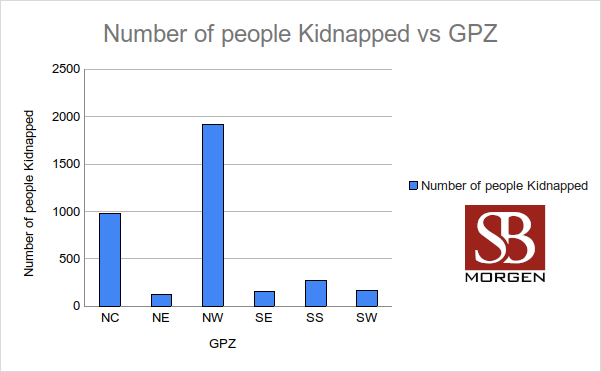
The uptick in kidnap incidents in Katsina has largely become a product of the times. With kidnappers becoming more desperate, targets are expected to be more haphazard. However, that has not been the case for various reasons. Before now, highway abductions were the most dominant attack methods for kidnappers in the North West, with travellers in Kaduna and Zamfara suffering the worst attacks. However, that has now changed. In Katsina, especially during the rainy season, farmers are compelled to go to their fields as the planting season commences. Bandits have realised that it is easier to carry out mass abductions in the farms than on highways, which are now heavily guarded and often deserted. Farmers in the region are also burdened by harvest tolls and levies imposed by bandits, making their produce rot as they cannot afford the high financial costs. This contributes to the country’s general food insecurity. The Food and Agricultural Organisation warned that 25 million Nigerians faced acute food insecurity in March. The glimpses of what this could mean for stability and national security were witnessed when mobs raided food warehouses in Yola a few weeks ago, seizing supplies. As insecurity persists and desperation grows, more individuals will assume state responsibilities. State abdication of responsibility can also be observed in the annual Plateau crisis, which 2023 has prolonged far beyond necessary. Though Katsina and Plateau are geographically distant, they share a commonality: a security void conceded to armed non-state actors by the country’s security forces. In Plateau, the conventional inter-faith dialogue, typically employed to activate ceasefires, is diminishing from the options. As the Fulanis escalate attacks on Berom communities, spreading from Mangum to relatively safer areas like Barkin Ladi and Riyom, the ominous potential of a statewide killing field in the heart of Nigeria remains a persistent reality. The attacks in Katsina and Plateau remind of the ongoing security challenges posed by armed groups like Boko Haram and ISWAP, aiming to destabilise the country. While the increasing deaths are deeply troubling, it’s equally disconcerting how these attacks no longer evoke significant emotional responses from most Nigerians beyond the affected areas. The government’s level of concern appears limited. Despite the transnational nature of these attacks, major ECOWAS military intervention seems elusive, as regime security takes precedence over regional collaboration. Although the Nigerian troops’ success in eliminating five terrorists is positive, it’s crucial to recognise that this is just a small victory in the broader fight against terrorism. The military must remain vigilant and proactive to forestall future attacks.