
Chasing Nigerians home, again
Nigeria summoned South Africa’s envoy after anti-immigrant violence, with 130 Nigerians seeking evacuation amid rising tensions.

Nigeria has escalated diplomatic engagement with South Africa after a wave of anti-immigrant violence targeting foreign nationals, including Nigerians. Authorities summoned Pretoria’s envoy to express concern over killings, attacks on businesses, and rising hostility in cities like Johannesburg and Pretoria. At least 130 Nigerians have requested evacuation under a new repatriation scheme, reflecting growing fear within migrant communities. Cyril Ramaphosa condemned the violence, but tensions persist amid claims that migrants contribute to crime and job losses. Abuja is demanding accountability and stronger protection, warning that the unrest could strain bilateral relations and regional stability.
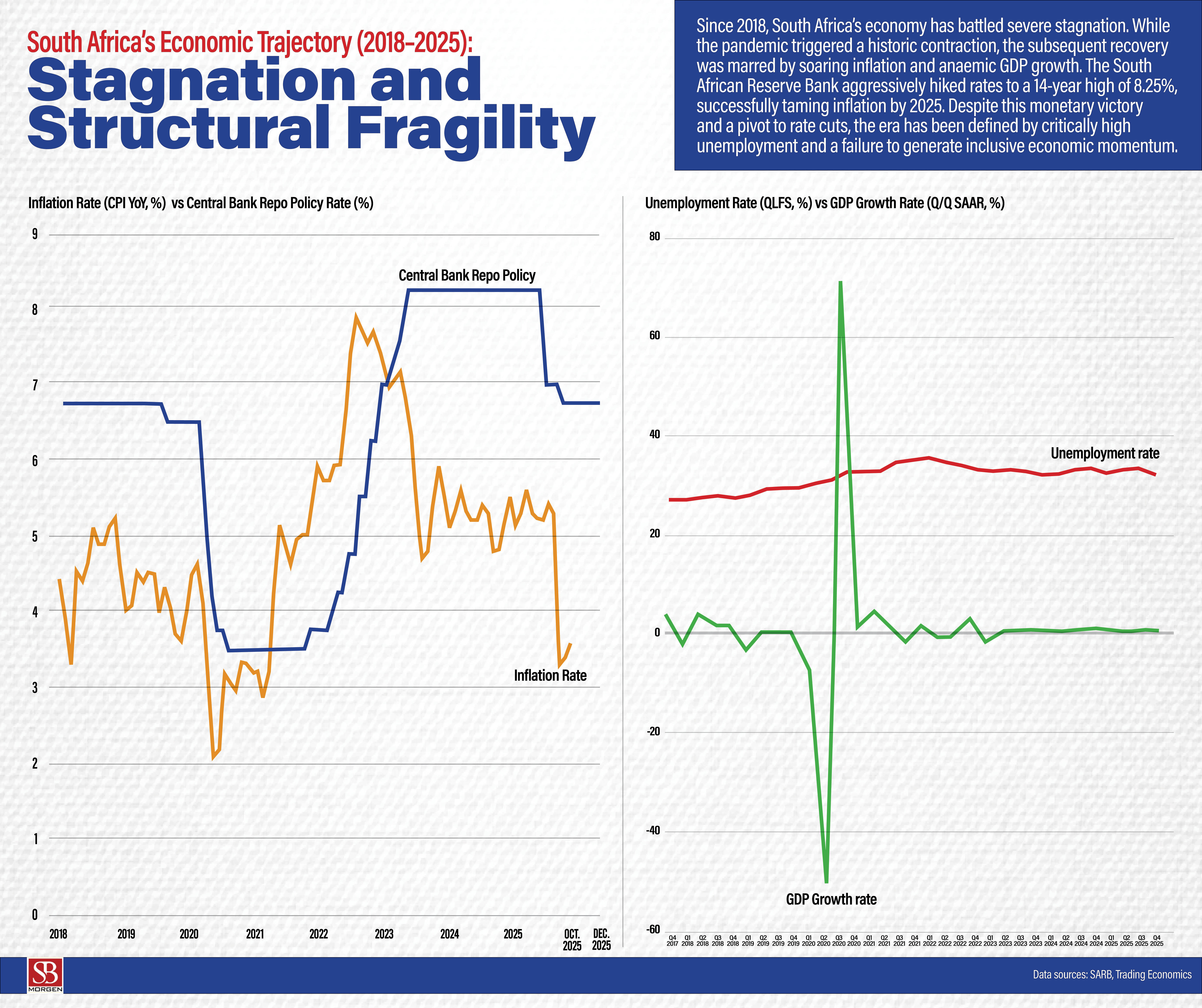
South Africa’s xenophobia is not a series of sudden outbreaks. It is a structural sickness, rooted in the country’s founding as a state engineered for a white minority. Apartheid’s political exclusion was backed by deliberate economic exclusion, and the African National Congress’s democratic victory in 1994 ended formal apartheid but never delivered broad‑based economic emancipation. Most black South Africans remain poor, undereducated, and locked out of prosperity, stuck in townships and informal settlements with little prospect of mobility. Into that vacuum have come other Africans, many of whom have managed to build small businesses or secure jobs in a stagnant economy. In a context where the state has failed to transform livelihoods, these migrants have become convenient scapegoats.
Xenophobia is therefore not new. The 2007 murder of reggae star Lucky Dube by men who reportedly mistook him for a Nigerian is an early, high‑profile marker of a pattern that has since become routine. Violent resentment of foreigners simply festers beneath the surface, waiting for the next economic downturn.
Today, South Africa has one of the world’s highest unemployment rates, extreme inequality, and persistent poverty concentrated in townships and informal settlements. Slow growth, high inflation, collapsing municipal services, and years of unmet promises have hardened frustrations that are easily channelled against foreigners. Many South Africans see African migrants as direct competitors for scarce jobs, housing and basic services, and accuse them of taking opportunities and driving crime, even though the data rarely support those claims.
Politicians across parties, not just the ANC, have learned to exploit this anger. Migration politics has become a cheap campaign tool, much as ethnic rhetoric has been weaponised in Nigeria or anti‑Nigerian sentiment has occasionally flared in Ghana. That opportunism helps normalise attacks and feeds a wider continental trend of non‑state groups informally “governing” spaces where the state is absent, from township mobs and taxi associations in South Africa to ethnic militias and vigilantes in Nigeria.
Diplomatic relations between Pretoria and Abuja have been strained for over a decade. Major waves of xenophobic violence in 2008, 2015, 2019, and now 2026 have all hit Nigerians, among others. Successive Nigerian administrations have responded with strong language but uneven follow‑through. Under President Goodluck Jonathan and again in 2019, Nigeria recalled its high commissioner, boycotted key economic forums, and organised voluntary repatriation flights, alongside protests at South African embassies and Nigerian‑based businesses. Those gestures generated headlines but rarely produced structural change; once immediate anger faded, relations were patched up in bilateral meetings, and the cycle resumed.
Pretoria has struggled to stop the attacks because of weak local policing in volatile townships, inconsistent or slow prosecution of perpetrators, and a political reluctance to admit that the violence is targeted xenophobia rather than generic criminality. Labelling attacks as “crime” dilutes the sense of urgency and allows officials to avoid hard questions about their own rhetoric and policy failures. Fragmented authority between national, provincial and local levels also undermines coherent responses. Local politicians sometimes exploit anti‑foreigner sentiments during elections, and there is no effective mechanism to coordinate a national strategy.
Abuja’s approach has its own deficiencies. Evacuating 130 citizens and summoning the ambassador are necessary emergency moves, but Nigeria has not built sustained consular protection mechanisms, early‑warning systems within diaspora communities, or consistent diplomatic pressure tied to clear benchmarks on prosecutions and policing. Nor has it seriously reconsidered the depth of its economic exposure to South Africa in ways that punish abusive practices without destroying jobs for ordinary Nigerians working in South Africa-linked firms.
Retaliatory boycotts and rage‑driven calls to shut down South African businesses in Nigeria may feel cathartic, but they risk fuelling a spiral of mutual resentment while harming Nigerian workers and suppliers more than corporate headquarters in Johannesburg. What Nigeria must do instead is lead bilateral talks that demand concrete citizen safety, champion pan‑African economic unity, and ensure proper resettlement for returnees. Yet that raises an uncomfortable question: if Nigeria struggles to handle its own internally displaced persons and to protect its own citizens from mob violence at home, can it really manage a wave of evacuees from Johannesburg? The gap between principle and practice is precisely what allows xenophobic politics to fester across the region.
A more strategic response would combine firm bilateral demands for citizen safety and accountability with a wider pan‑African conversation about migration, labour and social protection, anchored in the continent’s own history of movement, from European settlement in South Africa to the universalist promises of documents like the US Declaration of Independence that African elites often invoke. Nigeria, in theory, ought to lead such an agenda. In practice, its credibility is undercut by its own failures to protect citizens from mob violence at home and to resettle internally displaced persons with dignity.
Until both Pretoria and Abuja address their internal governance failures, the cycle of violence and blame will continue. The deeper truth, as critics have long noted, is that the violence flows from the government’s failure to protect residents from unprosecuted mobs and touts—a pattern that mirrors Nigeria’s own ethnic attacks and incidents in Ghana, where non‑state actors usurp the state’s role. Scapegoating has become routine because the underlying problems remain unaddressed year after year. The task for both countries is not merely to manage diplomatic fallouts, but to build the institutions and political will that make xenophobic violence unthinkable.