
Comatose
Niger's ruling junta withdraws from Multinational Joint Task Force to focus on oil site security.

Niger’s ruling junta has withdrawn from the Multinational Joint Task Force (MNJTF), marking a significant break from regional allies fighting Islamist groups in West Africa’s Lake Chad area. The move, announced on state television, is intended to strengthen security around oil sites, though details remain scarce. This decision follows the swearing-in of junta leader Abdourahmane Tiani as president until 2030. Meanwhile, the newly-formed Alliance of Sahel States (AES), consisting of Mali, Niger, and Burkina Faso, has imposed a 0.5% import duty on goods from ECOWAS nations, aiming to fund the alliance’s activities and counter ECOWAS’s push for free trade.
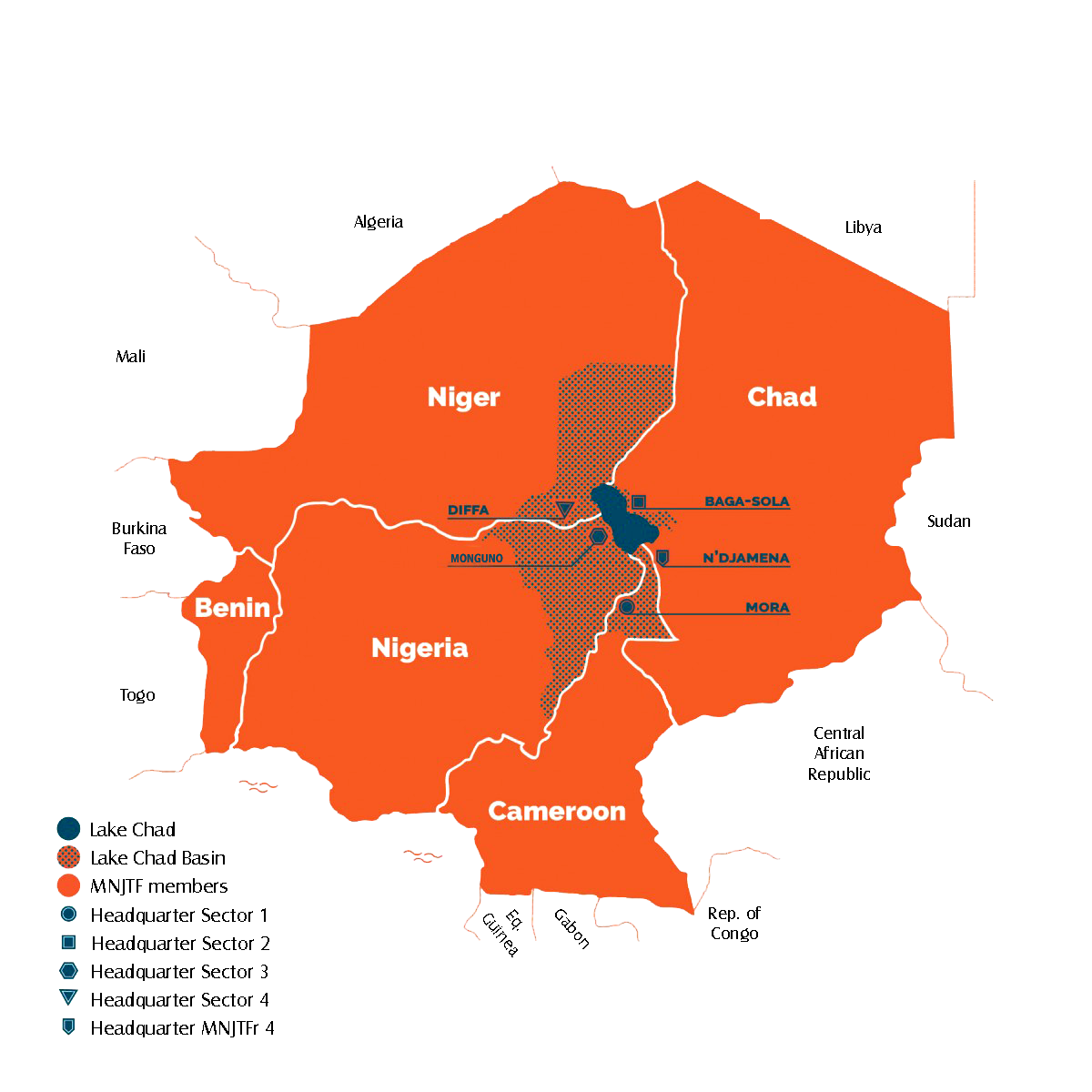
The slow demise of the Multinational Joint Task Force (MNJTF) tells a sobering story about the collapse of collective security in Africa's most volatile region. Established in 2015 as a flagship counterterrorism initiative between Nigeria, Niger, Chad and Cameroon, the force achieved early successes against Boko Haram, liberating key territories by 2017. Yet today, it is a hollow symbol of failed regional cooperation - its weakening pulse has barely been detectable since 2020, when cracks first emerged in the alliance.
Niger's formal withdrawal in late 2024 merely confirms what security analysts have long known: the MNJTF has been functionally comatose for years. The writing appeared on the wall when Chad's late President Idris Déby publicly criticised the arrangement in 2020, followed by his successor's even harsher assessments this year. These tensions reflect deeper fractures in a region where national interests increasingly trump collective security.
The immediate consequences appear severe. The Nigeria-Niger border - stretching over 1,600km of porous terrain - loses critical surveillance capabilities overnight. Joint patrols that once disrupted jihadist supply lines will cease. Intelligence sharing on militant movements will degrade. Yet, in truth, these cooperative mechanisms had already collapsed following Niger's 2023 coup, when Niamey suspended all military cooperation with Abuja. The recent allegations of Nigerian bases hosting French operatives formalised this rupture.
Niger's justification for withdrawal - redirecting troops to protect oil infrastructure - reveals the junta's precarious priorities. The newly operational Benin-Niger pipeline, a $4.5 billion lifeline for the sanctions-hit economy, has suffered relentless attacks. First targeted by pro-Bazoum militias, it now faces threats from the Islamic State Sahel Province and the shadowy Lakurawa group. While offering amnesty to some militants temporarily reduced threats, this redeployment creates dangerous vulnerabilities elsewhere. Without Nigerian cooperation in securing border regions that militants use as staging grounds, Niger's oil security strategy appears built on sand.
This decision forms part of a broader regional realignment shaking West Africa. The Alliance of Sahel States (AES) - Niger, Mali and Burkina Faso's authoritarian bloc - increasingly operates as a geopolitical counterweight to the traditional ECOWAS order. Their coordinated imposition of tariffs on ECOWAS goods, violating longstanding trade protocols, will have devastating knock-on effects. Economists predict 15-20% price hikes for staple foods in landlocked Niger, where 40% of GDP derives from cross-border trade. For military regimes already struggling with legitimacy, such economic self-harm risks triggering the very public unrest they fear.
The security vacuum left by the MNJTF's collapse creates multiple dangers. Intelligence degradation will blind counterterrorism efforts across the Lake Chad basin. The withdrawal of Niger's 1,200 troops leaves the Diffa-Maiduguri axis dangerously exposed. Most worryingly, jihadist groups like ISSP and JNIM have repeatedly demonstrated their ability to exploit such governance voids, as seen in their rapid expansion across central Mali.
As traditional security frameworks crumble, Sahelian juntas increasingly turn to mercenary forces and transactional partnerships. Russian Wagner contractors, Turkish drones, and Chinese infrastructure deals now fill the void left by Western and regional allies. Yet these arrangements lack accountability and often exacerbate local tensions. According to ACLED data, the Wagner Group's deployment in Mali correlated with a 278% increase in civilian casualties.
For ordinary Sahelians, these geopolitical shifts bring neither security nor prosperity. The MNJTF's failure represents more than bureaucratic reshuffling - it signifies the abandonment of collective solutions to transnational threats. As the region's strongmen pursue narrow self-interest under the banner of sovereignty, their citizens face growing dangers from militants who recognise no borders. The tragic irony is that in dismantling regional cooperation, these regimes may ultimately undermine their survival.
The question is no longer whether the MNJTF can be revived but whether an effective multilateral security framework can emerge from its ashes. For now, the people of the Sahel remain trapped between failing states and spreading insurgencies, their security sacrificed on the altar of political posturing.