
Competition or monopoly?
Three oil marketers — AYM Shafa Limited, A.A. Rano Limited, and Matrix Petroleum Services Limited, have sought the dismissal of Dangote…

Three oil marketers — AYM Shafa Limited, A.A. Rano Limited, and Matrix Petroleum Services Limited, have sought the dismissal of Dangote Petroleum Refinery’s suit challenging the Nigeria Midstream and Downstream Petroleum Regulatory Authority for issuing some marketers import licences and seeking ₦100 billion ($57.47 million) in damages. The marketers insist that competition is crucial for Nigeria’s economy, and their licences comply with the Petroleum Industry Act. Meanwhile, IPMAN has agreed with Dangote Refinery to lift petrol and diesel directly from Dangote Refinery, confident that negotiations with Dangote would yield lower rates. NNPC reports it has ended fuel imports, now relying on local refineries like Dangote’s for supply.
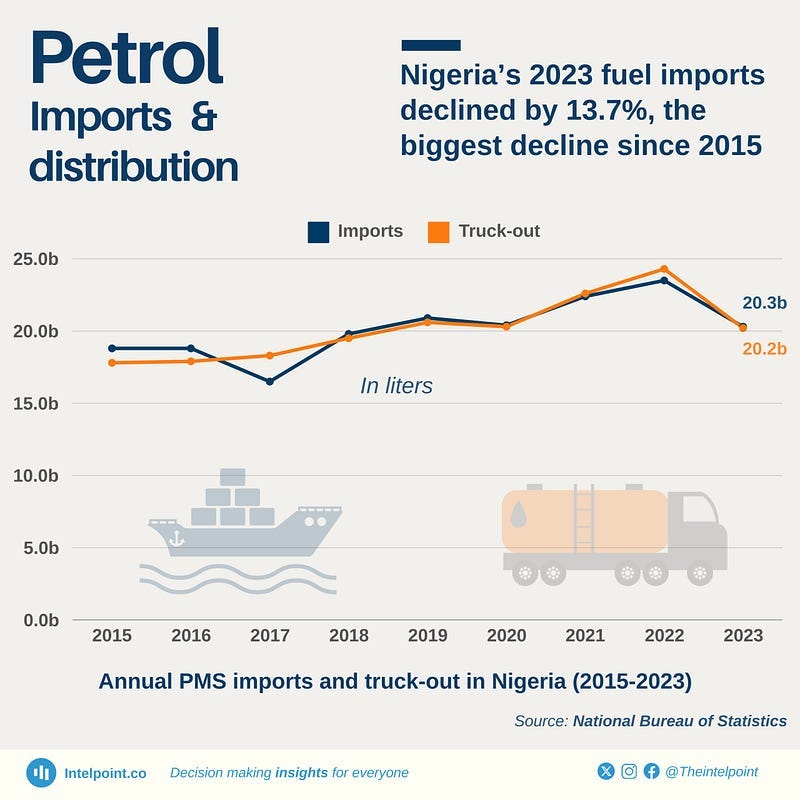
Nigeria’s petroleum sector is one with many twists and turns. For more than six months now, a public spat has unfolded between Dangote and several industry stakeholders, including the NNPC, NUPRC, and IPMAN. Initially, Dangote Refinery was criticised for allegedly lacking the capacity and quality to meet Nigeria’s fuel needs. Later, it faced accusations of trying to monopolise the market and of refusing to engage with stakeholders. But the different parties have reached a compromise, following the federal government’s intervention. For a long time, the petrol subsidy was described as a major obstacle to national development. Some argue that the NNPC’s reliance on scarce foreign currency for importing refined products could be eased by boosting local refining, which may lead to lower petrol prices. This argument holds merit; local refining offers a path to industrialisation, job creation, and greater export potential. However, the journey for Dangote Refinery has not been smooth. Until recently, its leadership avoided disclosing its petrol prices and ran a campaign suggesting that imported petroleum products are substandard. The refinery has also filed a suit challenging the NMDPRA’s authority to issue import licences to other interested parties. This legal dispute adds an extra layer of complexity to Nigeria’s already challenging business environment. If Dangote’s challenge succeeds, it could reduce market competition, potentially driving up fuel prices for consumers. On the other hand, if marketers retain their licences, competition might hold steady or even increase, which could help keep prices in check. With deregulation, the sector is open to all players who meet regulatory standards, allowing anyone to supply petroleum products to Nigerians. In the long run, local refining could bring promised benefits, including import reduction, lower foreign exchange spending, resilience against external shocks, cost-reflective pricing, greater product availability, and a boost in investor interest.