
Compressed innovation
The National Automotive Design and Development Council has announced plans to validate its National Occupational Standards for converting…

The National Automotive Design and Development Council has announced plans to validate its National Occupational Standards for converting and maintaining electric vehicles and Compressed Natural Gas (CNG) vehicles. NADDC director-general, Joseph Osanipin, said the workshop’s primary objective was to develop a blueprint for skills development and standardised operational procedures in converting, calibrating and maintaining those new automotive energy sources. Osanipin noted that upon the draft’s approval by the National Assembly, it would facilitate job creation and reduce greenhouse gas emissions, emphasising the significance of the Nigerian Automotive Industry Development Plan 2023–2033, relaunched by the Federal Government in 2023.
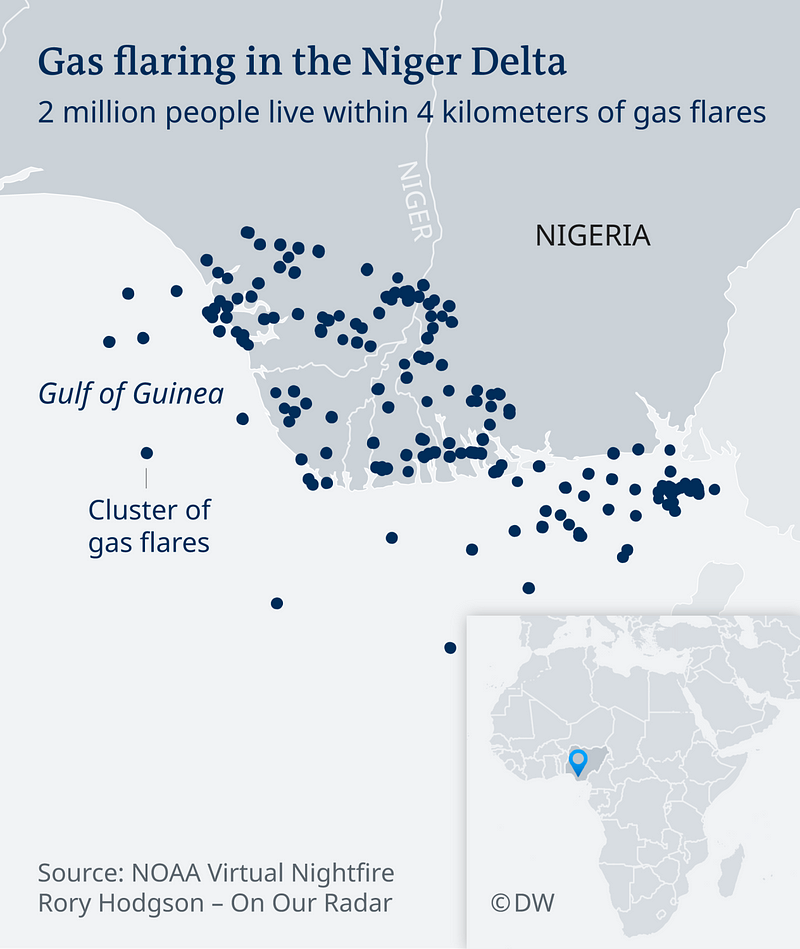
Despite Nigeria’s vast natural gas reserves, little has been done to develop this resource. The country has often viewed natural gas as a by-product of crude oil extraction rather than a valuable resource in its own right. As a result, much of the gas produced during oil extraction has been flared off rather than collected and utilised, contributing to air pollution and greenhouse gas emissions. In recent years, some moves have been made to produce and export natural gas, such as Liquified Natural Gas (LNG) or Gas-to-Liquids (GTL) and use gas domestically, as outlined in various iterations of the gas master plan. The removal of the petrol subsidy by the Tinubu administration should catalyse the widespread adoption of CNG and Liquefied Petroleum Gas (LPG) for transportation and cooking. In October 2023, the Nigerian government launched seven CNG conversion centres across the country. Some states, including Ogun, have rolled out CNG buses, which are already in use. Months after this development, a government agency is waiting for the national assembly to approve the draft of a policy regulating the standards of converted CNG-powered vehicles. The failure or success of a policy is dependent on its implementation. Issues around standards and occupational requirements for conversion ought to be sorted before resources are allocated to this CNG venture. A situation where issues around standards are being ironed out after implementation has started shows that there is no political will for the policy to succeed. While at it, someone needs to issue a standards document for CNG-powered generators. Those are gradually becoming popular, and artisans are the experts hired to carry out this conversion. Furthermore, while CNG conversion and maintenance can help reduce the environmental impact of vehicles, it is essential to avoid over-promising the benefits of this technology. This could lead to unrealistic expectations, which in turn could lead to disappointment and undermine the credibility of CNG as a viable alternative fuel. It is important to manage expectations and communicate CNG conversion’s potential benefits and limitations in a balanced and transparent manner. Our counsel for the policymakers in the space is to ground their projections in reality. In addition, simply converting vehicles to CNG is not enough. If the full value chain of producing CNG and distributing it within Nigeria is not fixed, it will face the same challenges as petrol and diesel vehicles. The fact that Nigeria is blessed with gas guarantees nothing if this crucial work is not done.