
Counting for change
Nigeria is gearing up for its first national population and housing census in 19 years.

Nigeria is set to conduct its first national population and housing census in 19 years, incorporating biometric and digital technology. President Bola Tinubu met with the National Population Commission (NPC) to stress the importance of accurate data for planning in employment, agriculture, and food security. He pledged to form a committee to align the census budget with economic realities and emphasised biometric capturing. NPC Chairman Nasir Isa Kwarra noted that the 2006 census is outdated, and 760,000 tablets have been acquired for the exercise. Minister Abubakar Atiku Bagudu highlighted the census’s role in resource distribution and future planning.
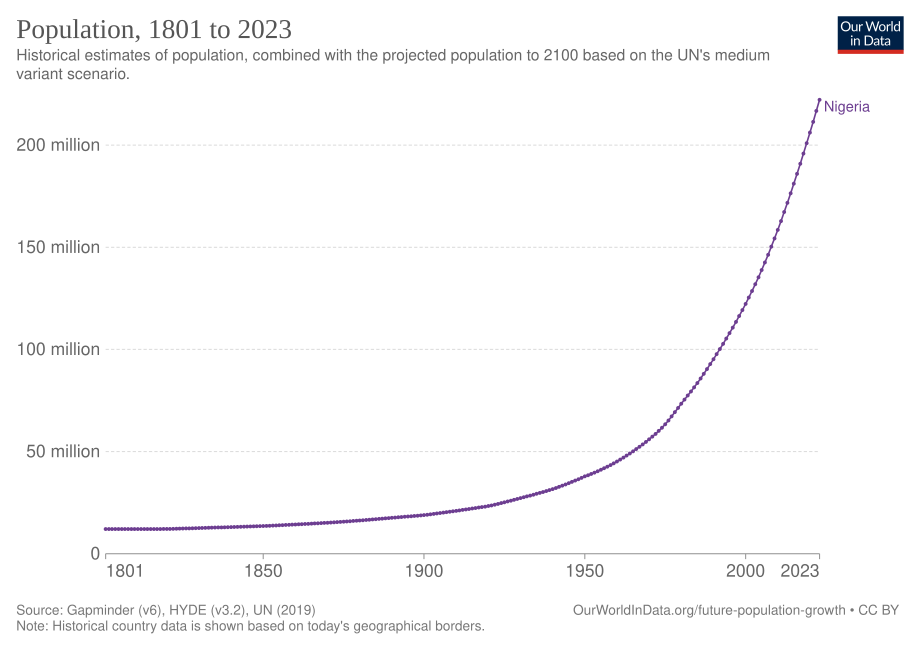
Nigeria's upcoming census represents a significant modernisation effort, transitioning to biometric and digital data collection for improved accuracy. With the last census in 2006, an update is critical given the country's rapid population growth and urbanisation. President Tinubu's focus on biometric data aims to reduce fraud and enhance demographic reliability. However, his remarks about aligning the census budget with "economic realities" suggest potential funding limitations.
Conducting a digital census during economic strain poses challenges, especially considering Nigeria’s history of logistical hurdles in large-scale projects. The government's procurement of 760,000 tablets demonstrates a commitment to modernisation, but success depends on thorough training, reliable network infrastructure, and robust security to prevent data manipulation.
A well-executed census could transform policy planning across sectors like employment, agriculture, and resource allocation. Conversely, mismanagement could result in another expensive, inconclusive exercise, worsening existing governance issues. Nigeria's reliance on outdated and often disputed population estimates has impeded effective policy decisions in areas such as employment, infrastructure, and food security. With an estimated population exceeding 200 million, accurate data is essential for addressing these challenges.
Past censuses have been plagued by political and logistical problems, including allegations of manipulation driven by ethnic and regional interests. Biometric technology, such as facial and voice recognition, can mitigate fraud and duplication and enhance credibility. However, concerns about data security, funding constraints, and logistical execution remain.
Successful digital censuses in other African countries, like Kenya and South Africa, demonstrate the feasibility of this approach. If Nigeria effectively implements its digital census, it could establish a new standard for transparent and reliable population data collection, enabling more informed national planning.