
Crisis of survival
About 7.2 million Nigerian MSMEs shut down between 2023 and 2024 due to harsh economic conditions.

Between 2023 and 2024, about 30% of Nigeria’s MSMEs—around 7.2 million businesses—shut down due to harsh economic conditions, according to the Nigerian Economic Summit Group (NESG). Chief Economist and Director of Research at NESG, Dr Segun Omisakin, said this during the 2025 Private Sector Outlook launch while highlighting key economic trends, challenges, and opportunities for businesses navigating the evolving Nigerian economy. He noted that the development underscored the country’s economic vulnerability, adding that Nigeria also lost an estimated ₦94 trillion ($595 million) to multinational divestments and business closures during the period.
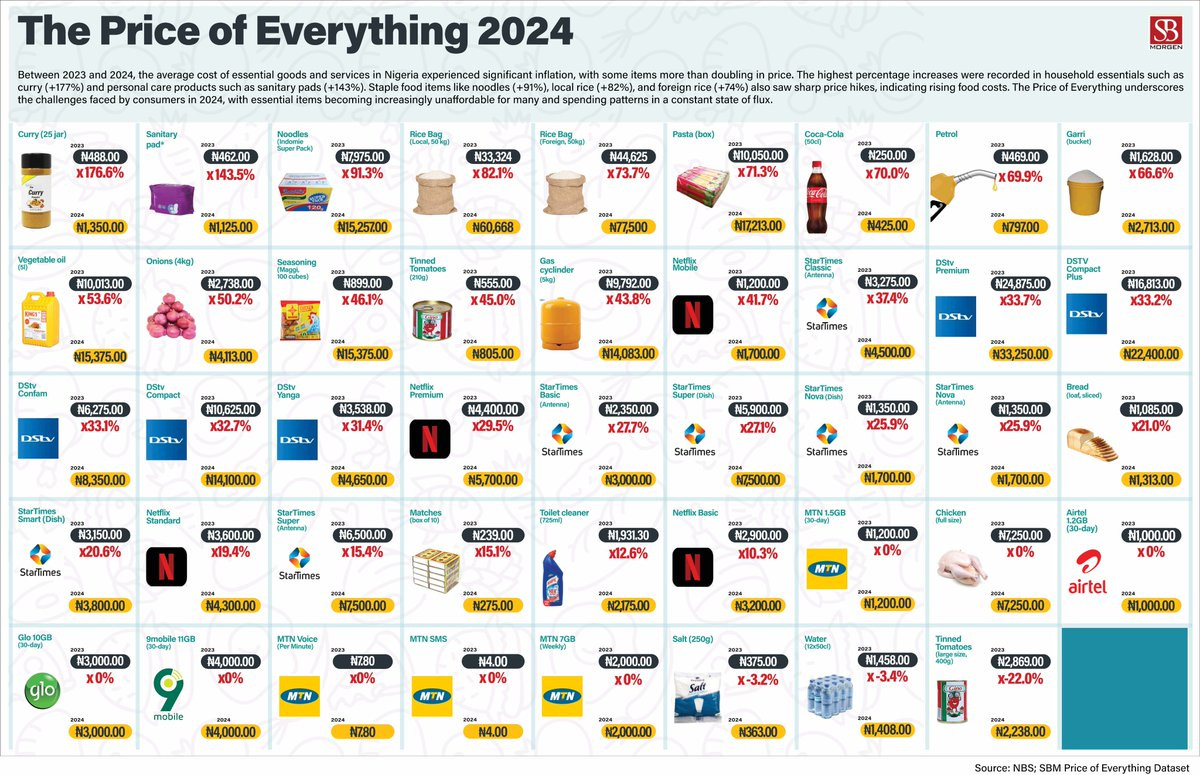
Nigeria’s small and medium-sized enterprises operate within razor-thin margins, driven mainly by necessity rather than strategic entrepreneurship. For many, survival entrepreneurship is not a choice but a response to economic realities where stable, well-paying jobs are scarce or non-existent. These businesses, already operating under severe constraints, are highly vulnerable to economic shocks. The past two years have seen successive and intensifying disruptions—including soaring inflation, volatile foreign exchange rates, security challenges, and rising fuel and energy prices—all of which have compounded SMEs’ difficulties. It was, therefore, inevitable that many would struggle to survive.
The recent estimate that up to 30% of micro, small, and medium enterprises have shut down in the past two years is alarming. While economic reforms have been necessary, their implementation has undeniably intensified hardship. The widespread closures indicate that many businesses could not pass rising costs onto consumers, primarily due to the rapid erosion of disposable incomes. This underscores the fragile state of the SME sector and household purchasing power. A sustainable solution requires a holistic, multi-pronged approach to strengthen the SME ecosystem and ensure economic resilience.
First, the prevalence of survival entrepreneurship in Nigeria reflects a labour market failure where formal employment opportunities are insufficient to absorb the workforce. Hence, fostering large-scale job creation within established firms and their value chains is critical. If individuals can access secure, well-paying jobs, they can engage in productive work without resorting to necessity-driven micro-businesses. This, in turn, enhances overall economic efficiency and productivity.
Second, economic policies should be structured to moderate shocks rather than introduce new vulnerabilities that SMEs cannot withstand. Before implementation, regulatory changes must undergo comprehensive impact assessments to ensure unintended consequences do not stifle small businesses. A deliberate effort to cushion policy shifts—through phased adjustments, targeted relief programmes, and structured economic support—would enhance resilience within the SME sector. The current cost of financing is unsustainable for most SMEs, with interest rates far beyond what small businesses can afford. Entrepreneurs cannot invest in growth, innovation, or necessary operational continuity without affordable credit. A well-structured SME financing framework, incorporating lower interest rates, flexible repayment structures, and government-backed credit facilities, is essential to revitalising the sector.
Despite the challenges, there are early indications that the economy is stabilising, and the long-term benefits of ongoing reforms may soon become evident. A more predictable macroeconomic environment and targeted SME support could lay the foundation for recovery. However, without intentional policy recalibration, the risk remains that the SME sector—widely regarded as the backbone of Nigeria’s economy—will continue to contract. The path forward must involve deliberately committing to sustaining businesses, creating jobs, and ensuring inclusive economic growth. If Nigeria is to harness its entrepreneurial potential for national development, policymakers must recognise that SMEs are not just businesses but essential economic stabilisers, employers, and wealth creators. Their survival and growth must be a national priority.