
Crude optimism
Nigeria’s 2025 budget, pegged on an optimistic oil price and production of over two million barrels per day, may suffer a major threat…

Nigeria’s 2025 budget, pegged on an optimistic oil price and production of over two million barrels per day, may suffer a major threat given OPEC’s decision to maintain production cut into 2026. The Federal Government expects ₦34.82 trillion ($20.13 billion) in revenue, assuming an oil price of $75 per barrel. However, Nigeria currently produces less than 1.5 million barrels daily, aligning with its 2025 OPEC quota. With Brent crude trading below $75 per barrel, these optimistic assumptions risk undermining the budget’s feasibility and exposing fiscal vulnerabilities.
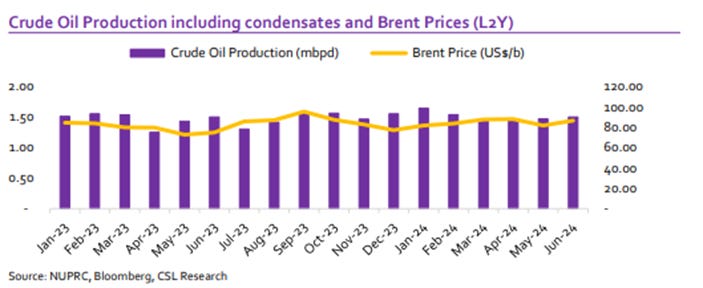
It was inevitable for OPEC to attempt to moderate oil prices in a year that will be marked by the inauguration of Donald Trump as President of the United States, a development expected to catalyse an increase in US oil production. This shift will introduce a critical variable into an already turbulent global energy landscape. The slowdown in demand from major oil-importing nations like China will add another layer of complexity, signalling a potential recalibration of global energy markets. For Nigeria, which remains heavily dependent on oil revenue, navigating this intricate geopolitical and economic environment without adopting more realistic production and pricing projections is ill-advised. Domestically, the risks are further exacerbated by persistent challenges in the Niger Delta, the epicentre of Nigeria’s oil production. Escalating tensions, including recent unrest in Akwa Ibom State and ongoing financial allocation disputes in Rivers State, undermine the stability required for consistent oil output. These internal disruptions threaten Nigeria’s production targets and erode investor confidence in the country’s oil sector. The compounding effect of these issues heightens the likelihood that Nigeria’s oil production and revenue will fall short of supporting its ambitious budgetary assumptions, necessitating increased borrowing to bridge the fiscal gap. This reliance on debt to sustain expenditure further underscores the urgent need for a pragmatic and grounded fiscal strategy. On the international front, Trump’s energy policies — geared toward maximising US oil production and reducing regulatory barriers — will pose a direct threat to oil-exporting countries like Nigeria. A surge in US oil production is expected to drive down global oil prices and intensify competition in markets traditionally dominated by Nigerian crude. With the US leveraging competitive pricing and higher exports, Nigeria risks losing key markets, further straining its oil-dependent economy. Such dynamics could jeopardise the country’s ability to meet its 2025 oil price benchmark, compounding the anticipated revenue shortfalls. Nigeria must adopt a more conservative approach to its oil price and production benchmarks to mitigate these risks. By aligning budgetary projections with the realities of a volatile global oil market, the country can position itself to absorb potential shocks better. This recalibration should be accompanied by a diversified economic strategy that reduces dependence on oil revenue, enhances domestic energy efficiency, and strengthens non-oil sectors. Additionally, addressing the underlying causes of unrest in the Niger Delta and fostering equitable resource distribution will be critical to ensuring stable production levels. Nigeria’s ability to navigate these domestic and international challenges ultimately hinges on its capacity to balance pragmatism with resilience. Proactive reforms and strategic fiscal planning will shield the economy from the vagaries of the oil market and lay the groundwork for sustainable growth in an increasingly competitive global landscape.