
Crying wolf?
Devakumar Edwin, vice-president of oil and gas at Dangote Industries, has accused IOCs in Nigeria of doing everything to frustrate the…

Devakumar Edwin, vice-president of oil and gas at Dangote Industries, has accused IOCs in Nigeria of doing everything to frustrate the survival of Dangote Oil Refinery and Petrochemicals. He claimed the IOCs inflate local crude prices, forcing the refinery to import crude from distant countries like the United States, incurring high costs. Edwin also criticised the Nigerian Midstream and Downstream Petroleum Regulatory Authority (NMDPRA) for indiscriminately granting marketers the licences to import substandard refined products, which he said has made the Dangote refinery expand into foreign markets.
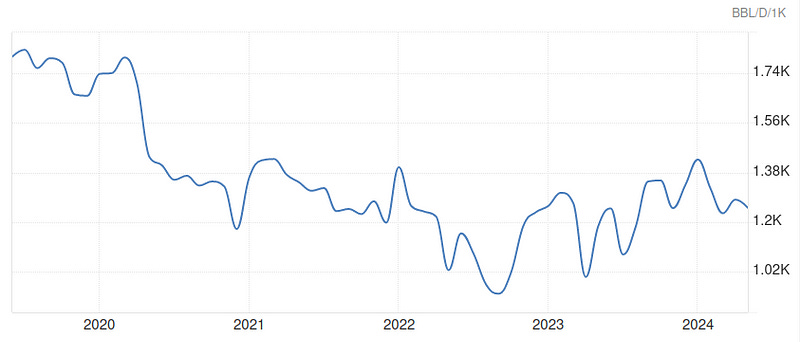
Dangote Industries is a major player in several industries in Nigeria, including cement, sugar, flour, and salt, to mention a few. Governments across West Africa supported its decision to diversify into crude oil refining, with the NNPC owning a stake in the refinery. For years, Nigerians waited expectantly for the completion of the Dangote Refinery, as it was billed as the single most important factor to solve Nigeria’s dearth of oil refining capacity. Presidents from neighbouring West African countries attended the refinery launch, as it is believed that the facility can meet Nigeria’s petrol needs and export to its neighbours. In January of this year, the refinery announced that it had started production using imported crude oil purchased from the international market, as the NNPC could not supply its crude oil due to tied-down contracts for months ahead. Fast forward six months to June, and the Dangote Refinery still relies mainly on imported crude oil, and now more details are being revealed. It is important to recall that the NNPC, in 2022, acquired a 20 percent stake in the Dangote Refinery worth about $2.76 billion, and the state-owned company had pledged 300,000 barrels of crude oil per day as payment for its equity stake. The NUPRC recently issued directives to oil companies to meet their domestic crude oil supply obligations before exporting. This move will ensure a steady feedstock supply to local refiners, including the Dangote facility. Since the NNPC has failed to honour the 300 kbpd in feedstock for the equity contribution received, it must take most of the blame. It is common practice for producers to lock in five-to seven-year contracts with refineries well ahead of time. These producers are finding it hard to supply Dangote Refinery, especially due to production challenges facing the Nigerian petroleum industry. Thus, those willing to supply Dangote Refinery are charging a premium to break their futures contracts. It appears that the current struggles will continue until the NNPC can meet its obligations. However, the Dangote Refinery is a private business enterprise, not a state-owned one, and must act accordingly. Raising objections to the industry regulator’s decision to issue petrol importation licences can be done more subtly. It must also court the favour of regulators if it desires preferential allocation and not join issues with industry practitioners. Moreover, the crude oil sector is largely deregulated, meaning that operators can purchase feedstock or refined products from locations of their choosing.