
Cybercrime
In a global operation targeting West African organised crime groups across five continents, police arrested 300 people, seized $3 million…

In a global operation targeting West African organised crime groups across five continents, police arrested 300 people, seized $3 million and blocked 720 bank accounts, Interpol said Tuesday. Operation Jackal III, which ran from 10 April to 3 July in 21 countries, aimed to fight online financial fraud and the West African syndicates behind it, the agency said in a statement. “The volume of financial fraud stemming from West Africa is alarming and increasing,” said Isaac Oginni, director of Interpol’s Financial Crime and Anti-Corruption Centre. One targeted group was Black Axe, a prominent West African criminal network involved in cyber fraud, human trafficking and drug smuggling.
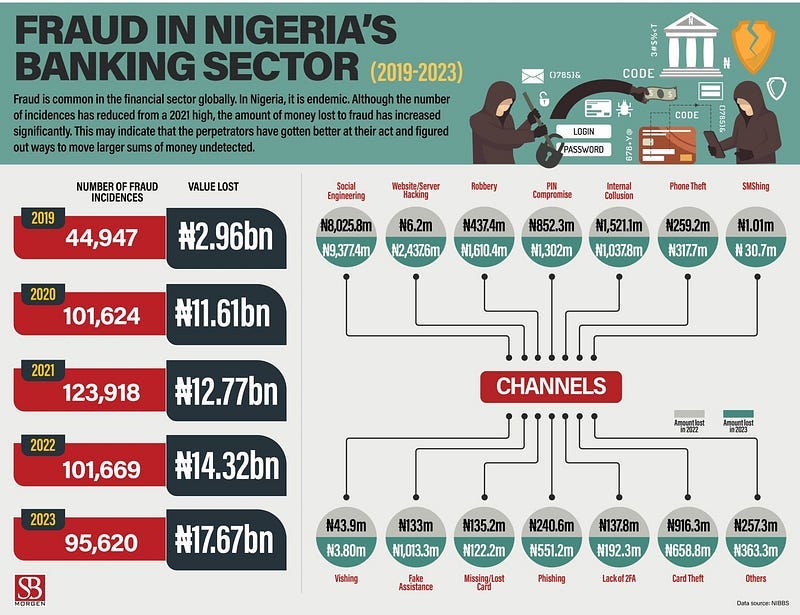
Cybercrime, human trafficking and kidnapping have reached epidemic levels in West Africa due to the increasing use of technology and internet penetration. The UN projects that the region’s population will reach approximately one billion by 2075, with over 500 million individuals aged 25 to 64. Of even greater concern is the projected 31.2% unemployment rate among those aged 15 to 24, which creates a fertile ground for cybercriminals and human traffickers. In Ghana, for instance, about 20% of the youth are unemployed and not in education or training, making them vulnerable to involvement in these illegal activities. In Nigeria, expanding digital technology and internet usage have facilitated cybercrime. While many cybercrimes originate locally in Nigeria, they often involve collaboration with nationals from other countries, such as South Africa, Cameroon, and Ghana. The metamorphosis of Black Axe, originally a campus-based youth gang, into a transnational crime network, indicates this succinctly. According to a February 2023 United Nations Office on Drugs and Crime report, up to 50% of medicines in West Africa are fake or substandard, often arriving from countries like Belgium, China, France and India through ports in Benin, Ghana, Guinea, Nigeria and Togo. Financial fraud supports these illegal trades; in Nigeria, youth gangs have turned to online fraud like “Yahoo” scams. The growth of electronic payment has given room for the continued prevalence of online fraud, with banks recording 78,584 cases in a year, according to FITC’s “Reports on Frauds and Forgeries in Nigerian Banks.” Between the second quarter of 2022 and the second quarter of 2023, over 10,098 fraud cases involving ₦1.95 billion ($1.23 million) were recorded on PoS channels. Cybersecurity awareness in Africa is still nascent, and financial institutions often fail to report breaches to regulators and customers as required. A potential solution is an international effort to dismantle Black Axe; however, the weak regulatory environment means another group could quickly emerge to take its place, potentially with greater sophistication.