
Dangote drops the ball
The Dangote Refinery failed to meet its daily petrol supply target to the Nigerian market, delivering only 148 million litres between 15…

The Dangote Refinery failed to meet its daily petrol supply target to the Nigerian market, delivering only 148 million litres between 15 September and 5 October, instead of the planned 575 million litres, according to the Dangote Evacuation Report seen by Premium Times. From 15 to 30 September, the refinery met just 26% of its target, loading 102.9 million litres out of a planned 400 million litres. Between 1 and 5 October, it achieved 32% of its target, loading 45.1 million litres out of 140 million litres. The shortfall highlights ongoing challenges in meeting the refinery’s petrol supply commitments.
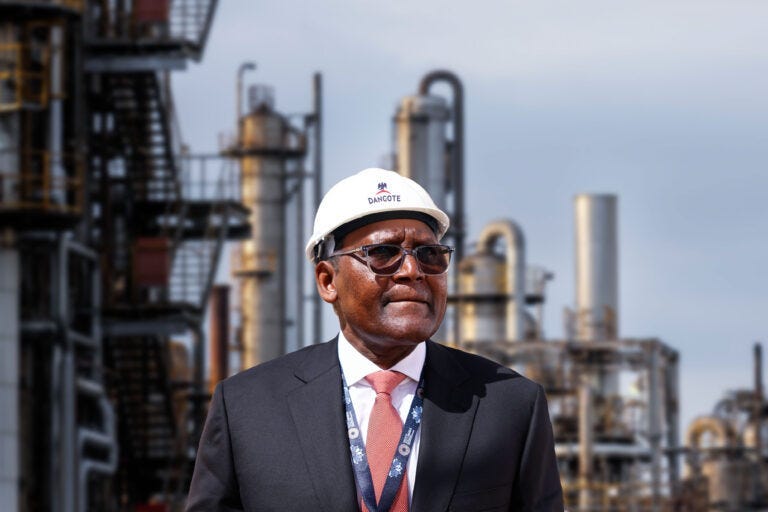
The market is a respecter of no man. While constructing the refinery, Aliko Dangote and the Nigerian government, led by Muhammadu Buhari at the time, touted the refinery as one of the best things for the Nigerian economy and the game-changer for Nigeria’s oil and gas sector. After completion, Dangote engaged the NNPC in a battle of press conferences and statements. The NNPC was painted as the bad guy working against a Nigerian-owned refinery. Conversations about a blending plant in Malta and the petrol from his refinery being the real deal made Nigerians take his side over the NNPC. It is now clear to Nigerians that having a refinery in-country does not automatically translate to lower petrol prices. Combined with this is the acknowledgement that the refinery has only been able to meet 26% of the orders placed. It is still early days for the refinery, and it would have enjoyed some grace if its proprietor had not entered a war of words with other players in the market. Given the publicity around the refinery, it cannot afford to perform below expectations. It is the golden child that must remain at the top of the class, and the guinea pig signals to foreign investors about whether Nigeria’s business climate can support a refinery. It is time for Aliko Dangote and his employees to get to work and ensure that the refinery is in top shape. The market only sees numbers, not sentiments. Though every new project needs time to ramp up activities towards full operational capacity (and the refinery only began petrol production less than eight weeks ago), the country’s situation warrants urgent growth and high output from the refinery.