
Dark cloud
About 50 terrorists attacked Dawaki, a community near Kubwa in the Federal Capital Territory (FCT), Abuja. They reportedly kidnapped 20…

About 50 terrorists attacked Dawaki, a community near Kubwa in the Federal Capital Territory (FCT), Abuja. They reportedly kidnapped 20 people and took them through the hills in the area. At about the same time, at least 40 people were killed and many others wounded in an attack by gunmen in Plateau State. The Plateau police spokesperson Alfred Alabo said armed men fleeing an “aggressive onslaught” by security agents in Bangalala forest of Wase Local Government Area attacked Zurak and Dakai villages, killing nine people and burning down six houses. Seven of the assailants were neutralised by security agents, Alabo said.
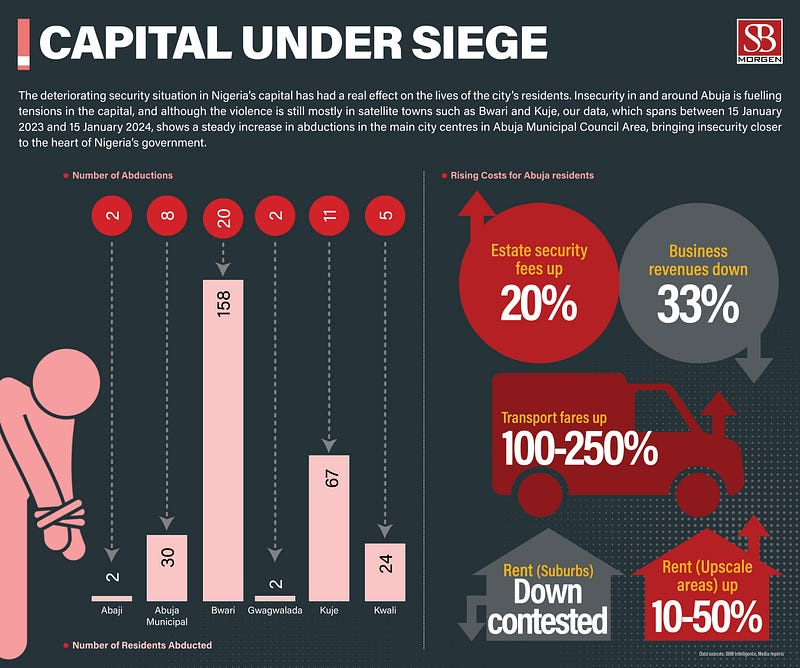
The recent terrorist attack in Dawaki, on the outskirts of Nigeria’s capital Abuja, serves as a stark reminder of the growing threat posed by extremist groups. This incident, coming after numerous attacks in the Middle Belt and North, demands a swift and decisive response from Nigeria’s government. After a brief lull marked by occasional kidnappings around Bwari, abductions in the FCT are spiking again. January saw the peak. The lull followed government initiatives like repainting public buses and deploying the Inspector General’s response team to known kidnap hotspots. However, in the past few weeks, the enthusiasm the police showed with clearance of kidnap camps along Abuja-Kaduna and Nasarawa-Keffi roads has waned. A measure of this problem can also be found in Plateau State, where the failure to intensify security measures for vulnerable communities has made the repetition of attacks a common feature. Wase Local Government Area has been a playground for bandits for at least the past three years, with occasional security operations making temporary differences. However, one of the reasons lasting peace eludes communities in the North is that ground operations against terrorists in one state usually spell trouble for other states. This issue arises from inadequate definition of operation areas and insufficient involvement of other law enforcement agencies, especially the police, in arresting fleeing terrorists and conducting mop-up operations in areas surrounding the main theatres of action. Terrorist attacks, initially confined to remote areas, are now reaching the doorstep of the capital. The urgency for decisive action is further amplified by the government’s unpopularity. Public trust is strained due to high inflation and deepening poverty. If the government fails to protect its citizens from terror, this discontent can easily be exploited by extremist groups seeking to sow discord and recruit the disillusioned. The past inaction against attacks in the Middle Belt and North, borne by poorer Nigerians, exposes a troubling pattern of insensitivity. This seemingly callous disregard for the safety of certain demographics only emboldens terrorists. They recognise this disparity and exploit it to further their agenda. Protecting all Nigerian lives, regardless of location or socioeconomic status, must be the government’s top priority. The Nigerian government must increase security presence particularly in the outskirts of Abuja, improve intelligence gathering, address root causes such as poverty, unemployment and social inequalities, and also rebuild public trust. Nigeria stands at a crossroads. By decisively addressing the terrorist threat, the government can prevent further violence and safeguard the country’s stability.