
Dialled up
Nigeria's government has agreed to a proposal by telecommunications companies to raise prices to address rising operational costs, including inflation and increased service delivery expenses.

Nigerian telecommunications companies proposed a 100 percent tariff increase, pending the government’s approval. The proposal, submitted to the Nigerian Communications Commission (NCC), aims to address rising operational costs, including inflation and increased service delivery expenses, Karl Toriola, CEO of MTN Nigeria, said during a Thursday interview on Arise TV. The federal government later agreed to the tariff hike demands, and the new prices are expected to take effect in the coming weeks. This implies that prices of calls, data and SMS will go up for the average Nigerian. However, the hike will fall short of the requested 100 percent increase.
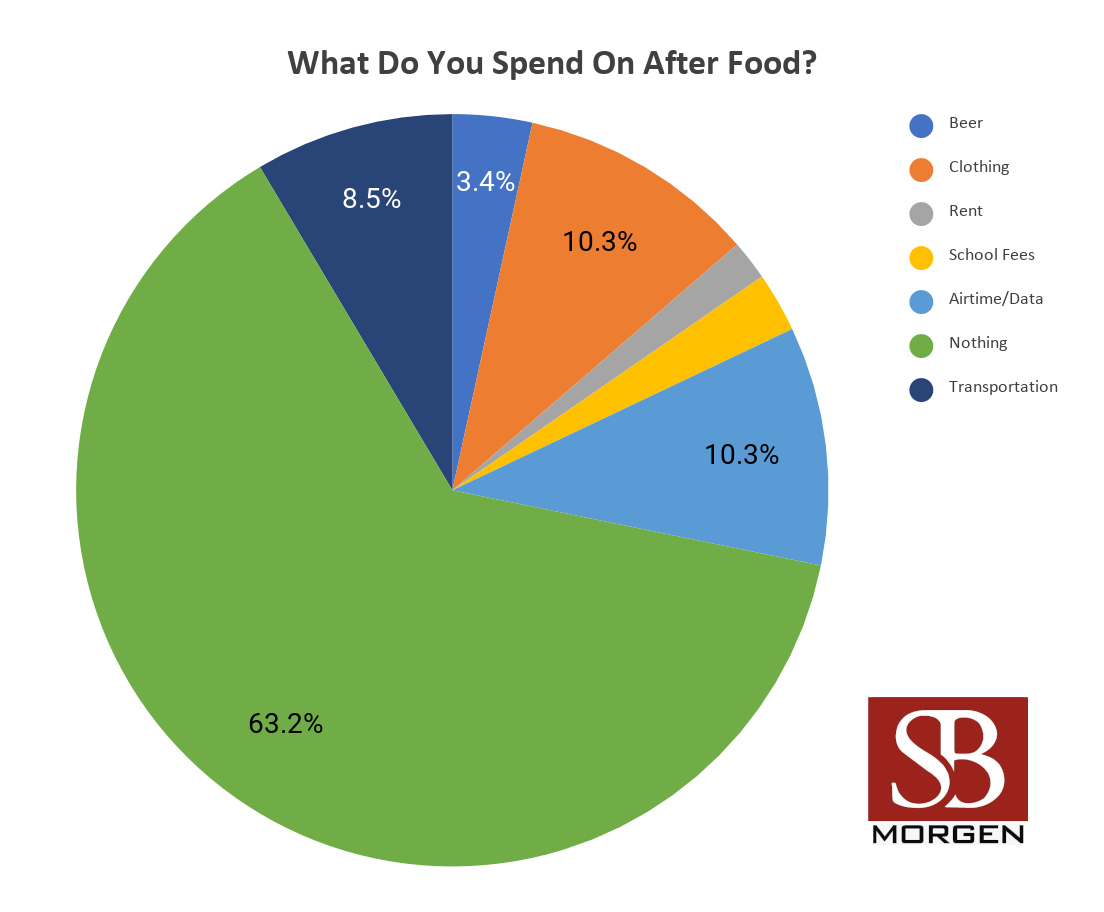
Over the past decade, telcos have pushed for an upward review of tariff prices. They proposed a 40 percent hike in 2022. However, since the naira devaluation in June 2023, telcos posted record losses, further compounding their woes and increasing their requests for tariff hikes. In reaction to the request, the Minister of Communications and Digital Economy, Bosun Tijani, said that the tariffs will indeed be increased, albeit not to the magnitude of 100% that the MTN CEO proposed in his interview. He has yet to state the percentage increase, but we expect this to be announced in the coming weeks.
It is a delicate situation - the tariffs have been frozen for a long time, removing the ability of the operators to adjust it to reflect the growing inflation. An increase is therefore necessary. However, its impact will be two-pronged. The same inflation the operators are responding to impacts the consumers, potentially reducing consumers’ airtime consumption as the cost increases.
In addition, two SBM reports (2019 and 2023) have shown that after food, Nigerians spend the most amount of money on airtime; thus, an increase in telecommunications cost is likely to increase inflation further, perpetuating a cycle of hardship for many cash-strapped Nigerians for whom data subscriptions and telephone calls form a major spend on their budget.
Our counsel, as always, is for the government to eliminate shocks from accumulated pressures like years of inflation and rather implement policies that allow costs to be adjusted annually to reflect inflation. The corollary to such flexibility will then be the demand for investments to support quality service and an enforcement/penalty regime for poor quality service.