
Discharged, not acquitted
The Nigerian government has dropped all charges against Tigran Gambaryan, Binance’s executive, who was on trial for money laundering and…

The Nigerian government has dropped all charges against Tigran Gambaryan, Binance’s executive, who was on trial for money laundering and currency speculation. The trial judge, Emeka Nwite, ordered Gambaryan’s immediate release from Kuje prison in Abuja but sustained the money laundering charges against Binance. The Economic and Financial Crimes Commission (EFCC)’s lawyer, R.U. Adaba, cited diplomatic interventions, the extent of the defendant’s involvement in the alleged crimes and his worsening health as the key reasons for the decision. Despite agreeing to drop the charges, the EFCC opposed full acquittal, stating the case was still active and not yet heard on its merits.
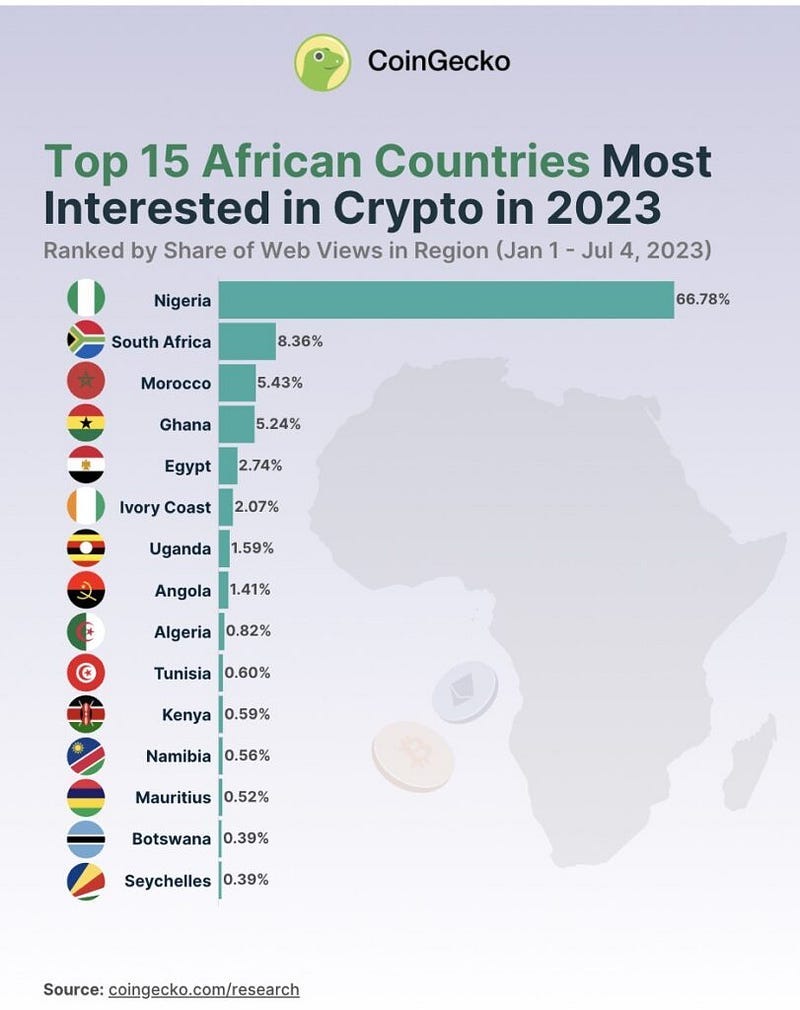
It has been widely reported by the global media that Mr Gambaryan’s release by the Nigerian government followed a high-profile pressure campaign from U.S. officials, including members of Congress and Biden Administration state attorneys general. After his release, President Biden called his Nigerian counterpart, President Tinubu, and expressed gratitude for his leadership in securing Mr Gambaryan’s release. Meanwhile, the Nigerian government says it will proceed with the money laundering and tax evasion charges against Binance, reflecting broader concerns about cryptocurrency’s potential use in currency manipulation, money laundering, and terrorism financing. Nigeria, one of the world’s largest cryptocurrency markets, has seen a surge in crypto adoption due to the naira’s devaluation and high inflation, particularly among young people. Chainalysis ranked Nigeria second globally in crypto adoption, receiving $59 billion in cryptocurrency between July 2023 and June 2024 — a 4.06% increase from the previous year. Nigeria’s Central Bank had banned cryptocurrency transactions in 2021. This ban was lifted in December 2023, with the Nigerian Securities and Exchange Commission (SEC) assuming the role of regulatory authority. The SEC is expected to issue licenses to foreign crypto players, aiming to bring oversight to the sector. However, Binance, the world’s largest centralised cryptocurrency exchange, would have been hesitant to proceed with licensing while its staff were still detained. Now, with charges against Mr Gambaryan dropped, Binance could be persuaded to re-enter the Nigerian market fully, given the country’s high adoption rates and market potential. However, Binance will still need to address the remaining charges through Nigeria’s regulatory and judicial process, which, once resolved, may pave the way for a deeper entry into the market. This regulatory alignment could potentially position Nigeria as a significant player in the global cryptocurrency landscape, balancing government oversight with a market that remains highly attractive to global crypto firms.