
Domino effect
The MTN Group has said it will swing to a half-year loss due to the Nigerian naira devaluation and Sudan’s operational challenges. It…

The MTN Group has said it will swing to a half-year loss due to the Nigerian naira devaluation and Sudan’s operational challenges. It expects Headline Earnings Per Share (HEPS) to drop to a loss of 217–271 cents for the first half of the year, compared to a profit of 542 cents a year earlier. Also, business activity in Nigeria fell to an eight-month low in July (49.2), down from 50.1 in June, as steep price pressures hit demand and resulted in renewed reductions in business activity and new orders, a new Purchasing Managers’ Index (PMI) has shown.
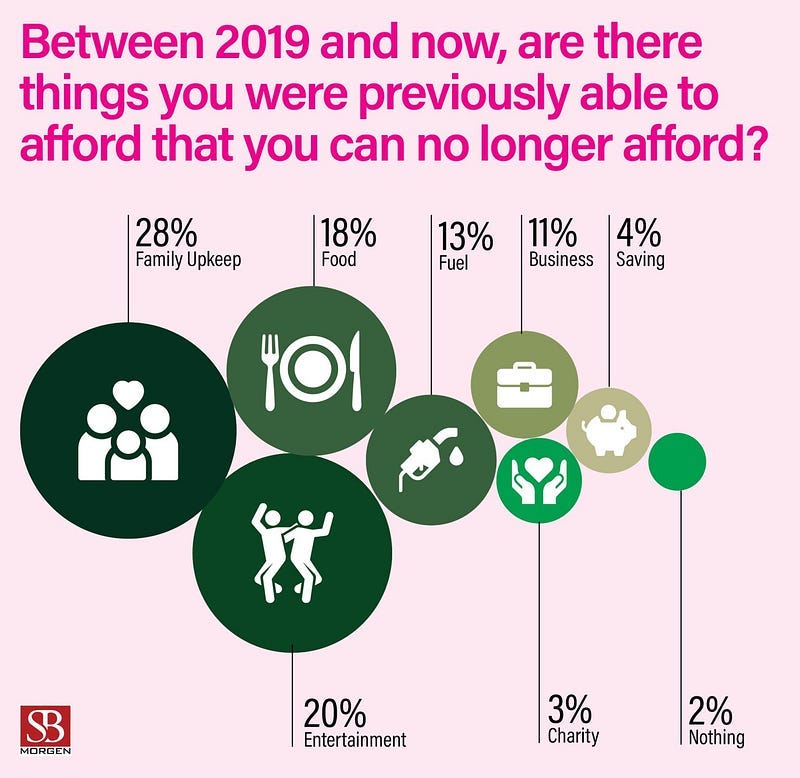
While the impact from Sudan is due to intractable, decades-long violent conflict, the issues in Nigeria are primarily economic and not directly comparable. The devaluation of the Naira has had widespread effects on individuals and businesses in Nigeria. The USD/NGN exchange rate at the end of 2022 was 423.90, but by 2023, it had risen to 907.11, marking a 114% depreciation. This negatively impacted MTNN’s financials, as their statements must be translated from Naira to Rand. In Nigeria, telecom companies have been clamouring for a tariff increase for some time but have struggled to get the necessary engagement from their regulators at the Nigerian Communications Commission (NCC) and the Ministry of Digital Economy. This engagement is crucial. Admittedly, it is a difficult request — inflation is at record levels, purchasing power is severely depleted, and Nigerians are generally opposed to price increases, as recent protests have shown. Nigerian consumers have seen their disposable income significantly eroded, with a recent SBM survey revealing that the average household spends over 90% of their income on food, leaving little for other necessities like transportation and school fees. Given that telecom costs are the third-largest monthly expense for most households after food and transportation, this is a highly sensitive issue. However, regulators cannot shy away from it. They must sit down with operators to work out the costs and find a solution that works for everyone. This could be an opportunity to make service-level demands on the telcos as a condition for agreeing to a price increase that helps them absorb losses. The government cannot be quick to take cuts from FX windfalls in one sector of the economy while refusing to engage in mitigating negative impacts on another.