
“Emerging tax matters”
The Federal Inland Revenue Service (FIRS) says it will introduce the FIRS e-invoice, a digital solution for managing invoices, in line with…

The Federal Inland Revenue Service (FIRS) says it will introduce the FIRS e-invoice, a digital solution for managing invoices, in line with the Tax Administration and Enforcement Act, 2007. The FIRS chairman, Zacchaeus Adedeji, said this at the Lagos Chamber of Commerce and Industry (LCCI)’s Organised Private Sector Stakeholders Engagement, themed “Emerging Tax Matters.” The e-invoice would enable real-time transaction validation and storage for business and government transactions. Nigeria’s Federal Executive Council has also approved the Economic Stabilisation Bills to amend income tax laws, promote exports, reform the exchange rate regime, and enhance foreign exchange liquidity.
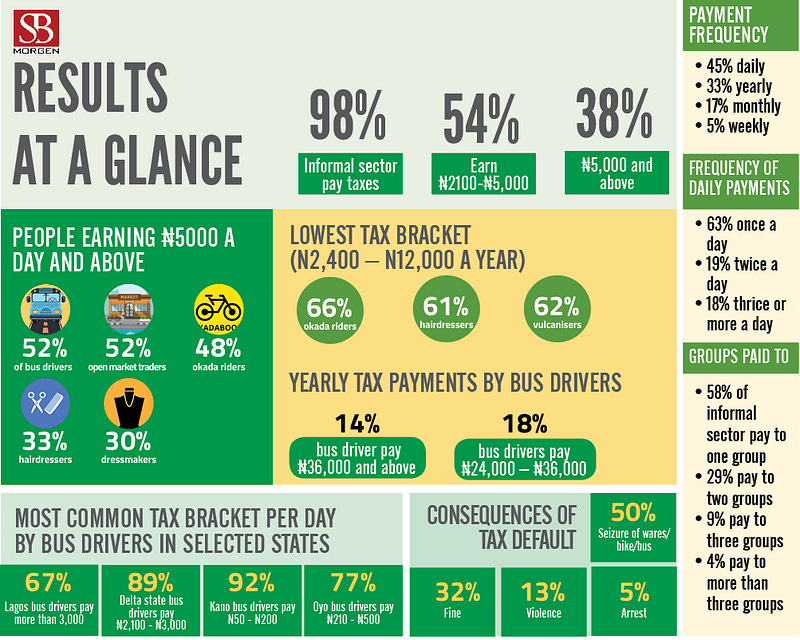
FIRS plans to implement an e-invoicing platform that could present short-term economic benefits. E-invoicing involves the exchange of electronic invoice documents between suppliers and buyers. In Nigeria, many invoices are processed manually, increasing the business cost. This is not the first time the tax agency has utilised technology for effective tax collection. In 2021, it introduced TaxPro-Max, a tax administration solution designed to simplify tax compliance. This initiative has successfully identified individuals who have been evading taxes for years, resulting in increased tax revenue. According to the National Bureau of Statistics, tax revenue from both local and foreign firms in the country grew by 72.8 percent, reaching ₦4.89 trillion last year, up from ₦2.83 trillion in 2022. The newly proposed Economic Stabilisation Bills, set to be submitted to the National Assembly, are long overdue. If properly and effectively implemented, they could address the bottlenecks in tax collection, thereby increasing revenue inflows. Since last year, the Presidential Committee on Fiscal Policy and Tax Reforms has been introducing reforms to the country’s tax laws. These reforms aim to address multiple taxation issues and improve the country’s tax-to-GDP ratio, which stood at 9.4 percent in 2023, according to the International Monetary Fund (IMF). Tax reliefs for companies that hire more employees and provide wage rewards and transport subsidies would enhance their survival rates and profitability. The tax holidays designed for companies earning between ₦200,000 and ₦400,000 would alleviate high inflationary pressures on businesses and create a more favourable environment for investment.