
Epidemic
Nigeria is grappling with a surging diphtheria infection rate, with 13,204 suspected cases reported by the Nigeria Centre for Disease…

Nigeria is grappling with a surging diphtheria infection rate, with 13,204 suspected cases reported by the Nigeria Centre for Disease Control (NCDC) as of 3 October. Among these cases, 8,406 were confirmed across 19 states and the Federal Capital Territory. The World Health Organisation (WHO) has identified a second wave of the diphtheria outbreak, recording 4,717 confirmed cases out of 8,353 suspected cases as of 15 September. The global body observed an increase in the affected population with a rise in the number of confirmed cases and related deaths.
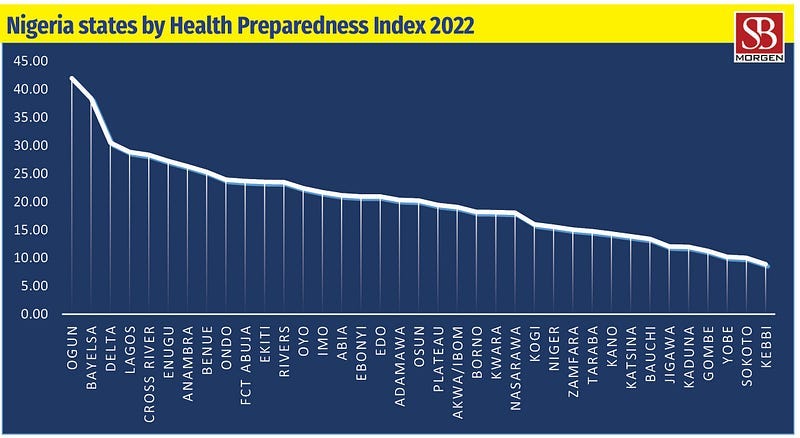
This is a public health issue that could have economic outcomes in the long term, but in the short, displays dwindling state capacity. Diphtheria is a grave infectious ailment caused by Corynebacterium diphtheria and is primarily transmitted through respiratory droplets emitted when an infected individual coughs or sneezes. Additionally, contact with contaminated objects, such as toys or utensils, can facilitate its spread. Several environmental factors, including crowding, poor sanitation and malnutrition, also contribute to the spread of diphtheria. Diphtheria, especially hazardous to young children, can lead to severe complications, including respiratory issues, heart failure and death. In 2022, more than 10,000 cases and 1,000 deaths from diphtheria were reported in Africa. Vaccination remains the most effective safeguard against diphtheria. The vaccine is safe and part of many countries’ routine childhood immunisation schedules. Complementing vaccination and adhering to good hygiene practices like regular hand washing and proper coughing and sneezing etiquette is crucial. However, the state response to public health issues is yet to be systematic. Therefore, there should be cooperation between L.GAs and states in sharing diphtheria data for trend analysis, providing technical and financial support and executing public awareness campaigns to combat vaccine hesitancy. Individual actions by LGAs and state health departments, such as establishing vaccination clinics, educating healthcare workers and developing protocols, are also essential in the battle against diphtheria.