
Fever pitch
African Swine Fever suspected in Ghana's Savannah Region, killing hundreds of pigs and impacting farmers severely.

A suspected outbreak of African Swine Fever (ASF) has hit Damongo, the capital of Ghana’s Savannah Region, resulting in the deaths of hundreds of pigs. The affected communities have resorted to slaughtering and burying sick pigs to curb the spread of the disease. Still recovering from a previous outbreak in 2023, pig farmers have been severely impacted, with some considering abandoning the business due to recurring losses. The West Gonja Municipal Director of Veterinary Services, Dr Enouch Sarkodie-Addo, confirmed the outbreak and advised farmers to adopt biosecurity measures and shift towards intensive farming.
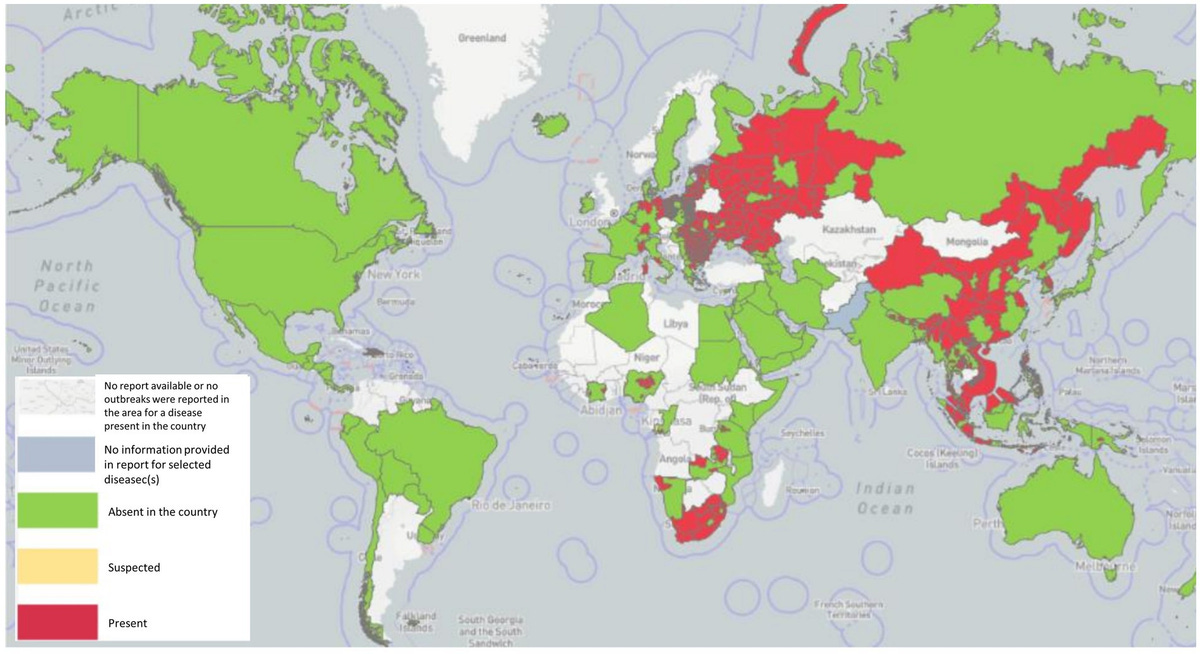
Reports of a suspected swine flu outbreak in Ghana’s Savannah Region have caused panic, particularly in the north, which serves as a major grain-producing area and is home to many farmers. These remain suspected cases with no official confirmation of an outbreak. The Veterinary Service of the Ghana Health Service has told SBM Intel that these reports are false, noting that their zonal team on the ground has found no confirmed cases.
Ghana’s last major swine flu outbreak occurred in 2017, significantly disrupting businesses in Kumasi, the country’s second-largest economic hub. The virus primarily spread through senior high schools, leading to dozens of deaths. Since then, cases have declined significantly. However, fears persist that even unverified reports of an outbreak could impact economic activities in Damongo, the Savannah Region’s capital, especially given Ghana’s high food inflation, which remains above 20%. Many households rely on pork as an affordable protein source, and a potential scare could shift demand to other meat products, placing additional strain on local food markets.
Beyond swine flu fears, African Swine Fever (ASF) remains a persistent threat to Ghana’s livestock sector, particularly affecting small-scale pig farmers. ASF is a highly contagious viral disease with no cure or vaccine, making outbreaks devastating for farmers reliant on pig farming for their livelihoods. While Ghana did not experience a major ASF outbreak in 2023, there were pockets of outbreaks in regions such as the Ashanti Region (May–June 2023), where over 400 pigs were culled in districts like Bosomtwe and Atwima Nwabiagya. In the Eastern Region in September 2023, nearly 1,000 pigs died in the Kwahu West Municipality, prompting a temporary ban on pork sales.
These outbreaks, though localised, highlight systemic challenges in disease control and biosecurity enforcement. The recurrence of ASF within less than two years suggests gaps in containment strategies, and without sustained intervention, smallholder farmers risk long-term financial distress. In response, affected communities have resorted to slaughtering and burying infected pigs as a containment measure. However, without strict biosecurity enforcement, these efforts may fail to halt the spread of the virus. The West Gonja Municipal Director of Veterinary Services has urged farmers to strengthen biosecurity measures and transition to intensive farming.
While this approach is necessary, it raises questions about feasibility. Many smallholder farmers operate on tight margins and lack the financial resources to upgrade their farming systems. Such changes may remain unrealistic without government support—subsidies, training, and infrastructure investment. Beyond immediate containment, Ghana needs a robust long-term strategy to curb ASF outbreaks. This includes stricter regulations on pig movement, enhanced disease surveillance and reporting, potential investment in ASF-resistant pig breeds, early-warning systems and farmer education on disease management. If these outbreaks remain unchecked, more farmers may abandon pig farming, disrupting the local pork supply chain and increasing reliance on imports—a scenario with broader economic implications for Ghana’s livestock industry.