
Fiscal fisticuffs
The House of Representatives has passed for second reading a Bill seeking to criminalise abuse of the Fiscal Responsibility Act (FRA) 2007…

The House of Representatives has passed for second reading a Bill seeking to criminalise abuse of the Fiscal Responsibility Act (FRA) 2007, especially concerning borrowing and public debt. The Bill proposes a three-year jail term and a ₦500 million fine for a public official who breaches the provisions of Section 41 of the FRA. The bill’s sponsor, Sergius Ogun (PDP, Esan North-East/Esan South-East), noted that the proposal was to amend the FRA to provide for specific sanctions for failure to comply with its provisions, adding that the bill, when passed into law, would “address the lacuna in the Act, obviate impunity and serve as a mechanism for making government officials accountable.”
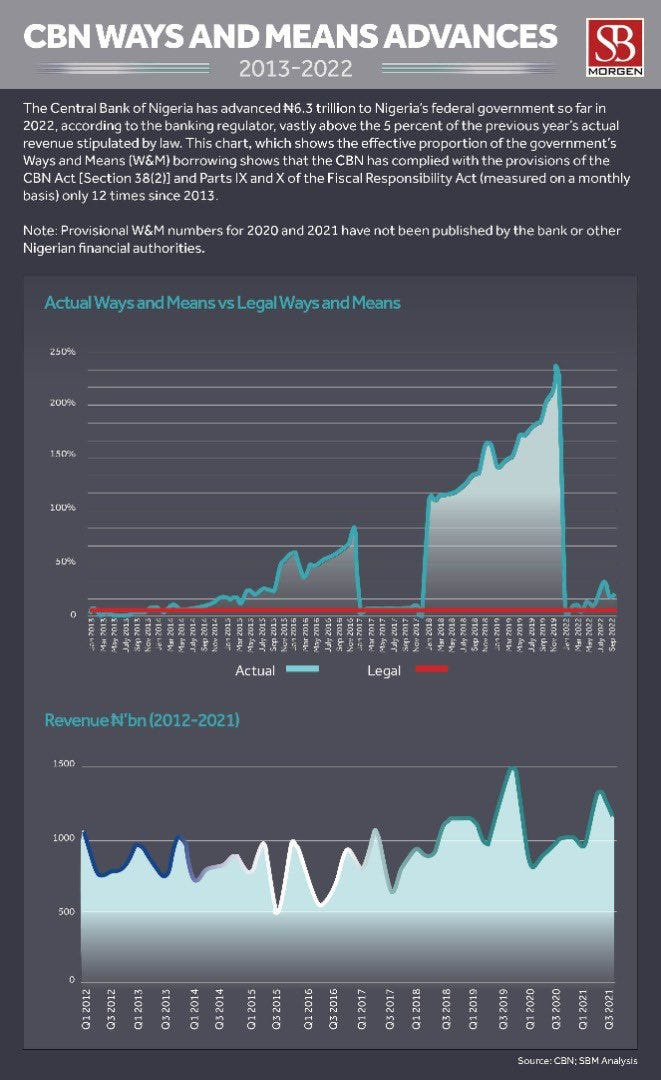
The interpretation of most Nigerian laws is always an open-ended exercise which poses a significant risk for implementation. We have said in previous commentaries that the latitude of regulatory discretion which Nigerian law permits is often needless and dangerous. The introduction of sanctions to the FRA 2007 Act closes a key gap evident in the FRA Act. However, it takes more than introducing sanctions and amending laws to make public officials accountable for their actions. The proposition of this Bill cannot be dissociated from the ruthless and unprecedented borrowings by this current administration despite advice from experts and the international community to discontinue such practices. This administration is now being funded almost solely with borrowed monies while its revenue continues to dwindle. Implementing sanctions, specifically on publicly appointed officials, remains a major challenge. Unfortunately, Nigeria’s judicial system has been designed to make these laws ‘dead on arrival’, in that quick prosecution cannot be achieved. Public officials have devised the means to escape the law’s strong hand while paying lip service to the rule of law. Considering the recklessness with which the current CBN Governor has gone to town with flouting the Ways and Means provisions of the CBN Act 2007, behaviour that has now created a legislative debate on restructuring the loan, it is in order to increase the potential consequences for subsequent office holders who may follow the precedent set by such recklessness. It should perhaps be a condition that the National Assembly gives for acceding the Executive request to restructure the current Ways and Means obligation for the President to accept signing this amendment. Long term, while we commend the proposed sanctions mechanism under the proposed Act, its impact, as with other laws with similar regimes, is likely to remain unseen/unfelt. In other words, things are likely to remain BAU.