
Forex fiasco
The Central Bank of Nigeria (CBN) Governor, Olayemi Cardoso, said a Deloitte-conducted forensic audit of $7 billion of overdue foreign…

The Central Bank of Nigeria (CBN) Governor, Olayemi Cardoso, said a Deloitte-conducted forensic audit of $7 billion of overdue foreign exchange transactions the bank has been trying to clear had uncovered irregularities affecting $2.4 billion worth of the transactions. Cardoso said on Arise TV that the irregularities included missing paperwork, non-existent entities and beneficiaries receiving unauthorised foreign exchange allocations. Cardoso added the central bank would not honour non-compliant transactions. So far, about $2.5 billion of the backlog across sectors including aviation, manufacturing and energy has been paid, and Cardoso said the remaining $2.2 billion would be cleared swiftly.
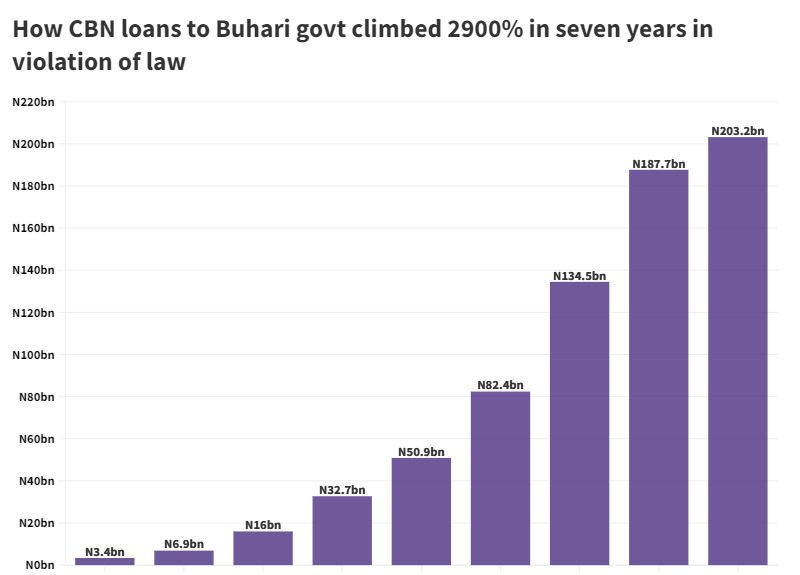
The CBN under Cardoso’s leadership the CBN has been busy moving offices, issuing new regulations, and devaluing the Naira. However, it remains to be seen whether these efforts will have a meaningful impact on the Nigerian economy. All in all, we are seeing the organisation being moulded into the preferred shape of its new boss. In the course of doing that, some of the activities of his predecessor, Godwin Emefiele, will be unearthed. One such is that, according to Cardoso, some non-existent entities received FX allocations during the Emefiele years. Unfortunately, the news that the new CBN administration has uncovered irregularities affecting $2.4 billion worth of the transactions does not come as a surprise. It is well known that the last few CBN Governors had been acting like emperors, using their high office to dispense favours to their friends and well-wishers. Not only was the CBN allocating scarce FX to unqualified parties, but it also stepped outside of its monetary policy roles and started extending loans and grants to various sectors. Case in point is the CBN Anchor Borrowers’ Programme in which the Central Bank disbursed loans to smallholder farmers across the country. As of June 2023, it was reported that only about 53 percent or ₦503 billion had been recovered from the 4.5 million beneficiaries. The reputation of the CBN as the authority in Nigeria’s financial sector is important and strategic because the markets and foreign partners take their cue from its activities and statements. In a neutral circumstance, the forensic audit and subsequent disclosure of irregularities could be interpreted as a commitment to transparency and accountability on the CBN’s part. The CBN’s decision not to honour non-compliant transactions sends a strong message about its stance on regulatory compliance. This could bolster its reputation as an efficient, strict and fair regulator. However, when the travails of the immediate past central bank governor are taken into consideration, it may be interpreted as witch-hunting entities affiliated with him. It is important that, alongside its core duties, the CBN conducts itself fairly and transparently. If the EFCC’s discoveries are to be taken seriously, it is not enough to merely publicise them in the media. The individuals allegedly involved must be prosecuted. Market watchers are likely to view the situation with a healthy dose of scepticism unless there is evidence of real action being taken against those accused. In the interview, Mr Cardoso also spoke about the MPC members and their independence, repeatedly. This may mean that the MPC is heading for a reconstitution, with new members appointed. The new CBN administration must act to recover missing funds, drive the bank’s operational efficiency and refocus on its core mandate of ensuring price stability. The upcoming MPC meeting, as well as the implementation of its decisions, will be a more reliable indicator of the direction of Cardoso’s monetary policy than any media interviews.