
Fork in the road
South Africa will hold national and provincial elections on 29 May 2024, President Cyril Ramaphosa’s office said, adding that the 2024…

South Africa will hold national and provincial elections on 29 May 2024, President Cyril Ramaphosa’s office said, adding that the 2024 elections coincide with South Africa’s celebration of 30 years of freedom and democracy. The elections are expected to be the most competitive since the end of the apartheid system. South Africans will elect a new National Assembly and the provincial legislature in each of the country’s nine provinces before the National Assembly elects the president. Ramaphosa, 71, is seeking a second term as President, having struggled to significantly lift economic growth since taking over from Jacob Zuma in 2018.
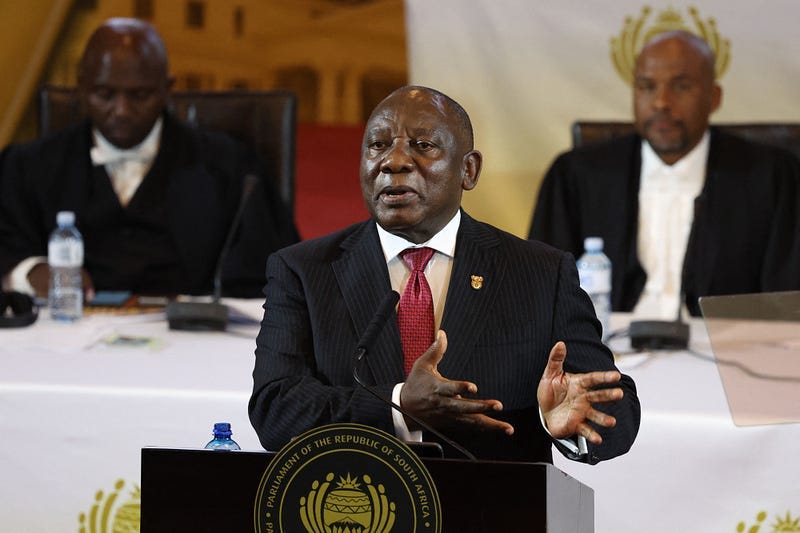
South Africa goes into its 2024 elections with a lot of baggage for the incumbent and whoever succeeds the ANC if it loses at the polls. Its current electricity woes, drawing from the poor performance of state electricity company Eskom, have stunted the country’s industrialisation, leading to a struggling economy since it lost its spot as Africa’s largest economy in 2014. The country still grapples with a soaring crime rate amid a corruption and unemployment crisis that has seen the ANC’s vote share deplete over the years. The high level of competition in this year’s elections is not so much a result of an opposition resurgence but rather a reflection of growing discontent with the ruling ANC and the defection of former ANC supporters. Over the years, the ANC’s major challengers have been the Economic Freedom Fighters under ex-ANC youth leader Julius Malema and the Democratic Alliance, which has failed to gain widespread appeal. While the ANC has long been the dominant political force in South Africa, it now faces a significant challenge from the Umkhonto We Sizwe (MK) party, led by former president Jacob Zuma. MK has not abandoned its militant roots and primarily comprises Zulu people. Zuma has skillfully positioned himself as a voice for Zulu nationalism, and his popularity has been further boosted by the controversy surrounding the new Zulu king, whose legitimacy is questioned by many. The ANC is at a crossroads, as it cannot expel Zuma (the MK has threatened to bomb KwaZulu-Natal if this happens) and is paralysed to see him working against their interest from within. The ruling party’s advantage is diminished by disunity in the opposition. Still, for a nation whose youth are unfamiliar with the ANC’s anti-apartheid efforts, dissatisfaction with the government could lead to issues. If the ANC loses the presidency, South Africa’s foreign relations with Russia, China, the US and Israel may undergo a significant reset.