
Free and fair?
The Ghana Police Service has arrested Kumasi-based radio and television presenter Oheneba Nana Asiedu for allegedly spreading false…

The Ghana Police Service has arrested Kumasi-based radio and television presenter Oheneba Nana Asiedu for allegedly spreading false information under Section 208 of the Criminal Offences Act, 1960 (Act 29). A viral video shows him making misleading claims about voting procedures for the upcoming 7 December elections, which authorities say could disrupt public peace. Meanwhile, the opposition NDC has accused the ruling NPP of printing fake ballot papers and planning voter intimidation in NDC strongholds. In a press release, the NDC, led by John Mahama, vowed to resist electoral manipulation and called on the Electoral Commission and the government to ensure free and fair elections.
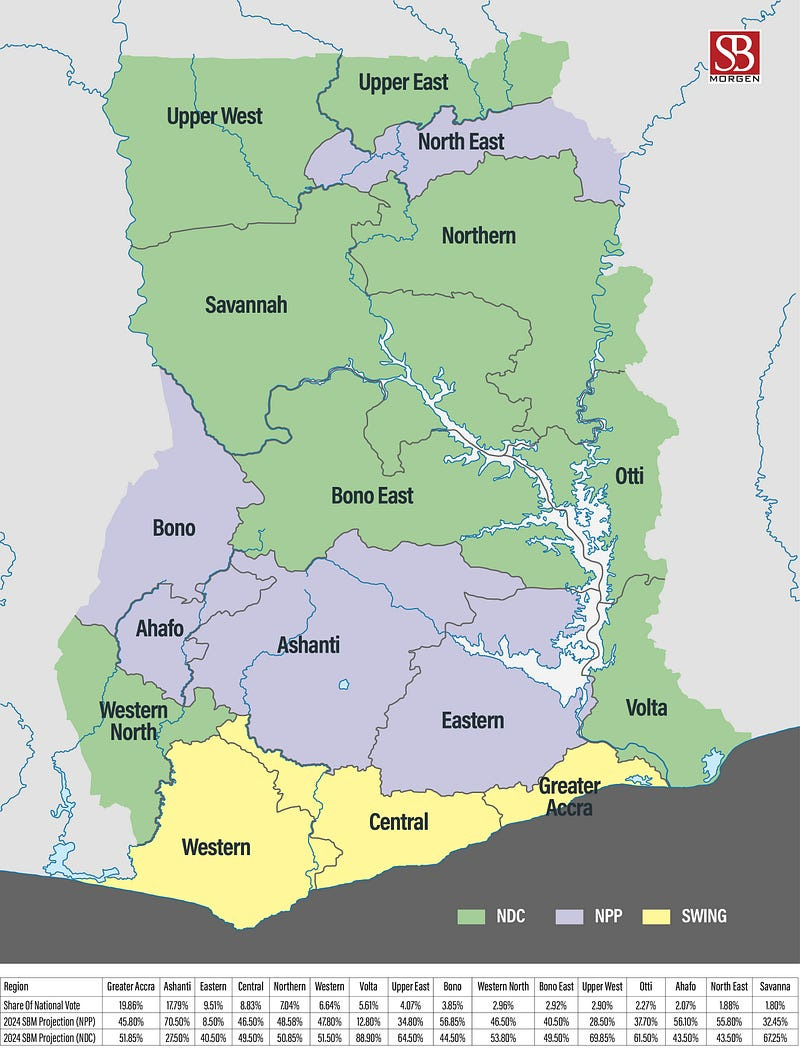
The arrest of Oheneba Nana Asiedu and the subsequent allegations from Ghana’s political parties illustrate the complex interplay between media freedom, misinformation, and political tensions in the lead-up to next Sunday’s elections. Ghana is home to over 700 radio stations, with many owned by politically exposed persons. This ownership structure has aided the spread of fake news and politically-influenced narratives, particularly during election years. The issue has intensified as media outlets with apparent political affiliations dominate public discourse through ownership or sponsorship. Their messaging is often infused with hate speech and disinformation, targeting specific groups to gain political advantage. Oheneba Nana Asiedu’s case exemplifies this trend. His radio station, owned by a regional chairman of the governing New Patriotic Party (NPP) and in the party’s Ashanti Region stronghold, wields considerable influence. This region accounts for approximately 18% of national votes, making it a pivotal battleground. Broadcasting predominantly in Akan, a widely spoken language in Ghana, the station amplifies its reach and potential to misinform, aggravating the damage caused by such content. This case reflects a larger systemic issue. Across radio, television, print, and online platforms, politically motivated disinformation continues to spread, especially during election periods. These campaigns often aim to incite divisions, provoke violence, or secure unfair political gains. The 2024 elections, while marked by peaceful campaigns and enhanced security, are overshadowed by a surge in fake news and hate speech. Striking a balance between protecting free speech and curbing harmful misinformation is critical to safeguarding public trust and electoral integrity. While the Criminal Offences Act 1960 (Act 29), criminalises false news likely to disturb public peace, enforcing this provision raises critical questions about free speech. Arresting journalists, especially during election periods, risks being perceived as an attempt to stifle dissent, regardless of intent. Authorities must exercise caution, ensuring such actions are transparently and impartially executed to avoid exacerbating political tensions. The opposition National Democratic Congress (NDC) has further heightened the stakes by accusing the ruling NPP of voter intimidation and circulating fake ballot papers. These allegations, if proven, could severely undermine public confidence in the electoral process. However, baseless claims only deepen distrust among the electorate. The NDC must substantiate its allegations with concrete evidence to avoid being dismissed as inflammatory rhetoric. This situation places a heavy responsibility on the Electoral Commission (EC), which must work diligently to maintain its credibility. The EC’s commitment to transparency in the electoral process — including ballot printing, voter verification, and result collation — will be pivotal. Clear communication, independent observation, and swift dispute responses can reinforce public confidence. Proactively engaging with political stakeholders could also help reduce the adversarial tone of the campaign. The broader challenge of misinformation requires a collective response. Media houses must adhere to professional standards, prioritising accuracy and fairness. Regulators like the National Media Commission should promote training programs for journalists on handling sensitive political reporting. Civil society organisations could educate the public on identifying and rejecting fake news. Ghana’s political parties must also ensure a peaceful election. The NDC’s vow to resist manipulation must not escalate into actions threatening peace. Both the NDC and NPP should prioritise dialogue and commit to resolving disputes through lawful and institutional mechanisms. As Ghana approaches its elections, the focus must remain on fostering trust, upholding democratic principles, and ensuring that electoral outcomes reflect the people’s will.