
Frittering away
President Bola Tinubu asked the National Assembly to approve the sums of $7.8 billion and €100 million in his administration’s proposed…

President Bola Tinubu asked the National Assembly to approve the sums of $7.8 billion and €100 million in his administration’s proposed 2022–2024 borrowing plan. The Senate and the House of Representatives passed the ₦2.17 trillion 2023 supplementary appropriation bill after a third reading. However, the House of Representatives rejected the ₦4.79 billion budgetary allocation for a presidential yacht and moved the proposed sum to the student loan allocation bringing the scheme’s total sum to ₦10 billion up from the initial ₦5.5 billion. The Ministry of Defence’s allocation was also increased from ₦476 billion to ₦546 billion.
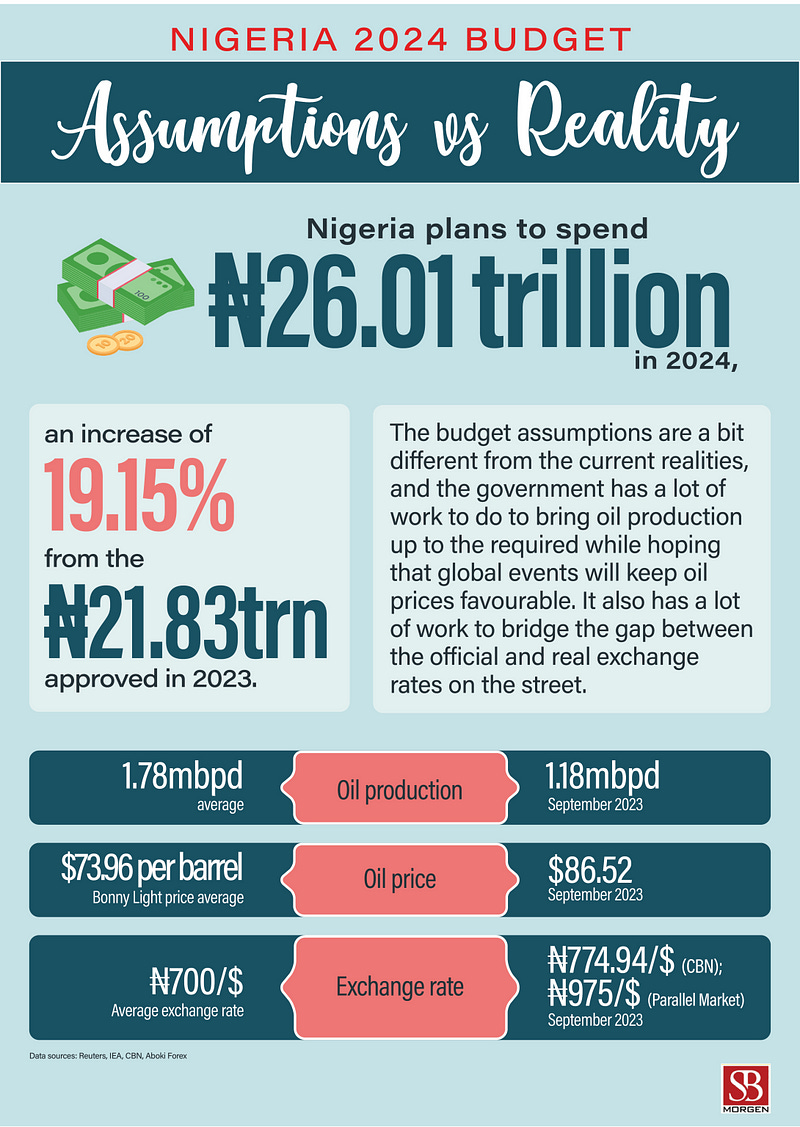
On the political side, we expect the Akpabio-led Senate to pass anything the executive sends in, with the House of Representatives likely to provide more scrutiny and oversight. Senators have already complained about Mr Akpabio’s leadership, and if this continues, there may be impeachment proceedings at some point soon. As we have previously stated, Mr Tinubu’s approach to governance in Lagos was to borrow massively and then attempt to raise revenues to repay the loans. He is likely to replicate this approach at the federal level, but there is a significant difference: former President Muhammadu Buhari left behind record debt levels, leaving little room for additional borrowing. It is unclear how Tinubu will manage his preferred approach given this constraint. From former finance ministers Kemi Adeosun and Zainab Ahmed to various government officials and multilateral bodies, it is common to hear comments about Nigeria having a revenue problem or having a low tax-to-GDP ratio. However, no one seems to be talking about Nigeria’s spending problem. Year after year, enormous amounts are appropriated for car purchases and building renovations, leaving paltry sums for actually running the country. This is not to mention the fantasy projects the government spends money on, such as Nigeria Air. A budget is a government’s spending plan, and a look at Nigeria’s budget will tell you the policymakers’ priorities — themselves.