
Fueling competition
Nigeria’s energy sector faces turmoil as Dangote cuts fuel prices, sparking a "fuel war," while a Senate probe targets NMDPRA corruption amid public protests.

Nigeria’s energy sector is experiencing notable turbulence, marked by a “fuel war” and a regulatory probe. Dangote Petroleum Refinery has reduced its ex-depot petrol price to ₦820 per litre, sparking price cuts by major marketers such as MRS Oil and NNPC, resulting in varying retail prices nationwide. MRS, distributing Dangote fuel, now offers petrol potentially cheaper than NNPC outlets. Simultaneously, the Senate is investigating NMDPRA head Farouk Ahmed over corruption and abuse of office allegations. Public protests and legal advocacy have intensified calls for transparency and reforms in regulatory appointments. The Senate’s Oil and Gas Committee is actively pursuing the probe.
Nigeria's downstream oil sector is currently facing a critical juncture, with discussions surrounding deregulation and market-driven pricing often conflated with allegations of corruption. It is crucial for legislative bodies, such as the Senate, to differentiate between these two distinct issues.
Deregulation, by its very nature, allows individual sellers to independently determine their prices. This can lead to variations, even between petrol stations located opposite each other, due to differing cost structures, business models, and supply chains. The primary focus of regulatory oversight in such an environment should be to prevent predatory pricing—where an operator sells below cost to eliminate competition, only to inflate prices once dominance is secured. This is a standard market dynamic and entirely separate from the allegations of misconduct against the head of the Nigerian Midstream and Downstream Petroleum Regulatory Authority (NMDPRA). The Senate has a responsibility to hold individuals accountable, and the accused has a right to a defence. However, it is imperative that normal market operations are not mischaracterised as corruption during these proceedings. Ultimately, genuine competition in the downstream sector benefits consumers, who are always seeking better value.
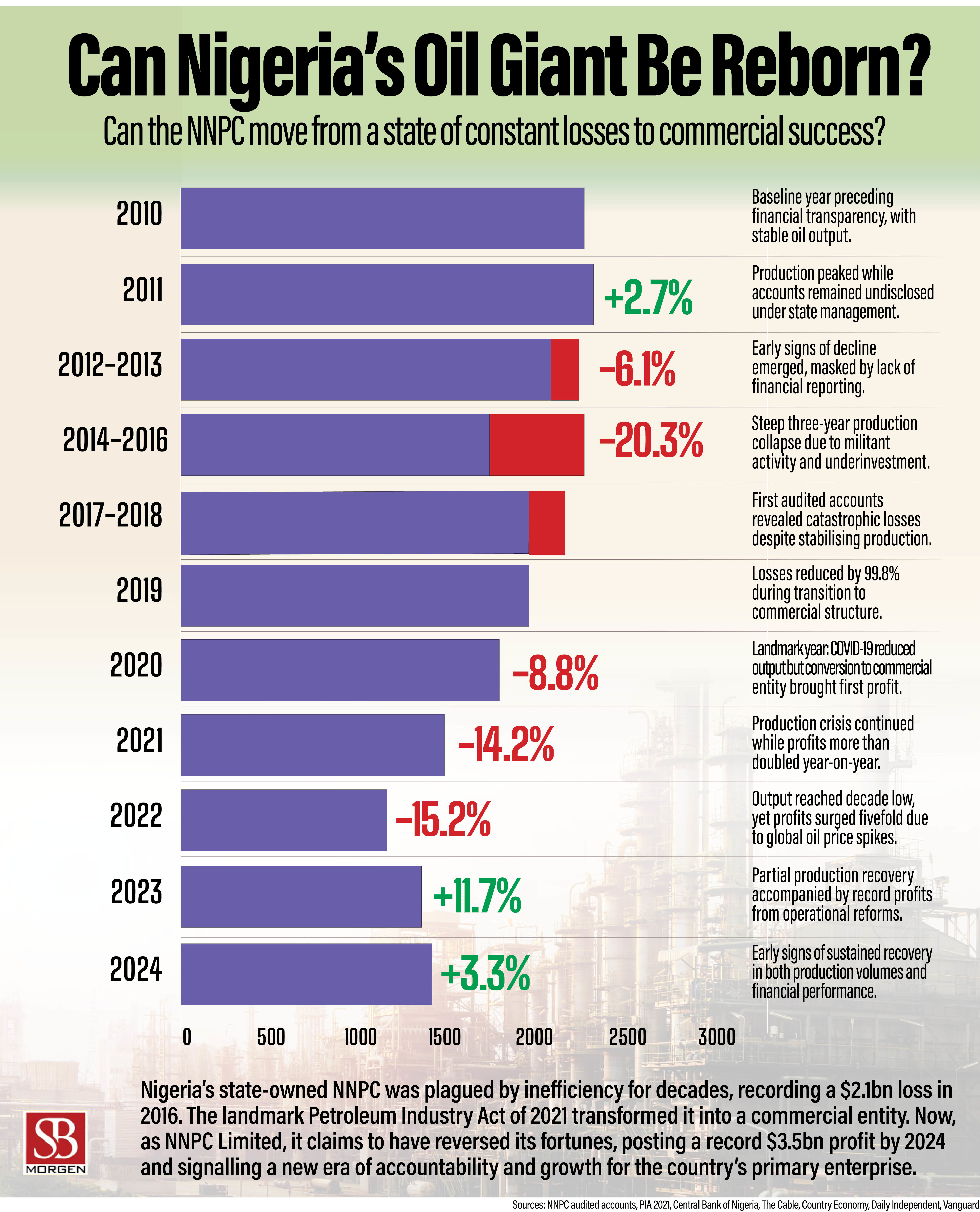
The complexities of Nigeria's oil sector extend far beyond the pump price. For instance, the NNPC formerly bore the substantial cost of petrol subsidies, a burden severely impacting its balance sheet. In 2021, the NNPC recorded a profit for the first time in 44 years, a development largely attributed to the removal of these subsidies. However, the lack of transparency in subsidy payments, particularly prior to 2022, remains a significant concern. The ₦2.6 trillion spent on subsidies in 2022, for example, lacked clarity on crucial details such as average daily consumption. Furthermore, the NNPC's accounting practices, where it often nets off expenses from gross revenue before remitting to the Federation Account, complicate efforts to ensure full transparency and accountability.
The issue of crude oil theft also casts a long shadow over the sector. Between January and July 2022, Nigeria lost an estimated $10 billion to oil theft. This widespread illicit activity not only reduces government revenue but also incentivises a parallel economy, where illegal refineries thrive, and the illicit trade in refined products further undermines official market structures. The government's attempts to combat this, including contracting former militant leaders to secure pipelines, highlight the deep-seated nature of the problem.
In the medium term, the outlook for Nigeria's refining capacity appears more promising, with over 20 construction licences having been issued by the industry regulator. This anticipated increase in private sector participation is expected to compel industry players to abandon traditionally opaque practices, positioning Nigeria as a refining hub for sub-Saharan Africa. However, this hinges on consistent crude oil production.
Assuming stable crude oil output, the government's greater challenge will shift towards diversifying the economy and reducing the nation's heavy reliance on the volatile oil sector. Addressing the systemic issues of transparency, tackling crude oil theft, and fostering genuine market competition will be crucial for the sustainable growth and stability of Nigeria's energy landscape.