
Fuelling a standstill
"Nigeria bans large fuel tankers amid looming strike by tanker drivers.

The Nigerian Midstream and Downstream Petroleum Regulatory Authority (NMDPRA) has banned 60,000-litre fuel tankers from operating on roads from March 1 to reduce truck-in-transit incidents. Meanwhile, petroleum tanker drivers and marketers are threatening a nationwide strike over ₦100 billion in unpaid debts and alleged harassment by government agencies. The Petroleum Tanker Drivers branch of NUPENG has already begun an indefinite strike, citing police harassment in Lagos. The strike is disrupting essential services, with telecom operators warning of potential service outages due to diesel supply shortages. Fuel marketers have also threatened to withdraw services if debts remain unpaid.
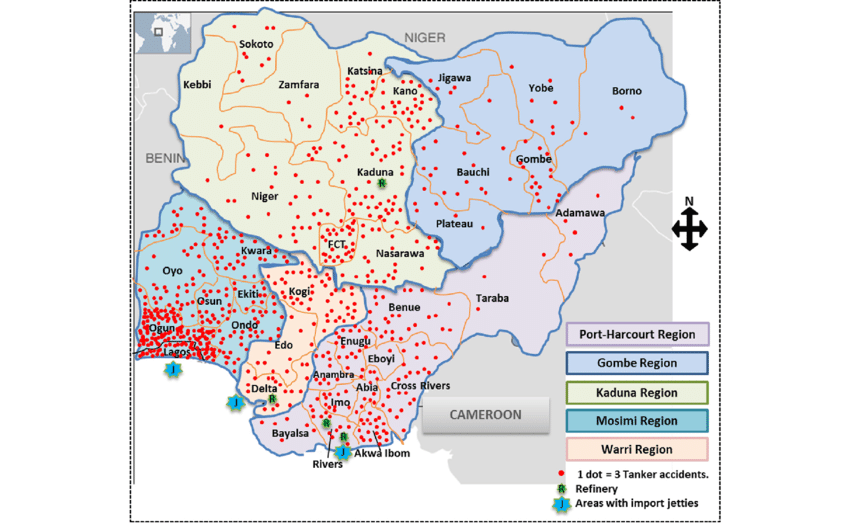
The proposed outright ban on fuel tankers of any size, without first establishing alternative infrastructure, is a short-sighted policy that risks exacerbating fuel scarcity rather than addressing the root causes of road accidents. This reflects a recurring pattern of regulatory overreach in Nigeria, where policy decisions are often made without fully considering their far-reaching implications. Such a ban is unenforceable and likely to create another avenue for law enforcement officers to exploit for bribes, the cost of which will ultimately be passed on to consumers.
Nigeria has over 5,000 km of installed pipeline infrastructure designed for transporting refined petroleum products across the country. However, much of this network has been abandoned and left in disrepair. As a result, large fuel tankers have become the primary means of moving petroleum products, posing significant risks to lives and property. The Group Chief Executive Officer of the Nigerian National Petroleum Company (NNPC), Mele Kyari, announced nearly a year ago that the entire pipeline network would be replaced within three years. However, little concrete progress or detailed plans have been disclosed since.
Any attempt to phase out fuel tankers will undoubtedly face resistance from tanker owners and drivers who have benefited from the current system's inefficiencies. Banning 60,000-litre tankers does not address the fundamental causes of road accidents, as even smaller fuel tankers can pose significant risks. Many drivers lack proper training and frequently drive recklessly, contributing to accidents. Furthermore, the poor state of Nigeria’s road infrastructure, riddled with potholes, remains a major contributing factor to accidents. Additionally, many of the trailer heads used to transport these tankers are not designed to carry 60,000-litre loads, often resulting in instability where the weight of the tanker body exceeds that of the head, increasing the likelihood of accidents.
A more pragmatic approach would involve structured interventions to address these systemic issues. Driver training programmes should be mandated to ensure that only qualified personnel operate heavy-duty tankers. Simultaneously, regulatory oversight must be strengthened to enforce proper vehicle maintenance standards, ensuring tanker bodies are securely attached to their trailer heads. Furthermore, policymakers should explore alternative fuel transportation methods to reduce dependence on road networks.
One viable option is strategically deploying fuel depots and tank farms in key locations such as Onitsha and Warri. Instead of transporting fuel across long distances by road from Lagos, fuel could be conveyed to these tank farms using coastal vessels. From these depots, fuel could be distributed via smaller, safer tanker trucks to filling stations, significantly reducing the risks associated with long-haul road transportation.
Heavy-duty vehicles are not exclusive to petroleum transport; container trucks also contribute to road safety concerns. In Nigeria, it is common practice for trailer heads designed for 20-foot containers to transport 40-foot containers, which is unsafe. Addressing these structural challenges requires a comprehensive regulatory framework beyond simply banning specific tanker sizes. Rather than implementing a blanket ban, the government should collaborate with the Ministry of Transportation and industry stakeholders to develop sustainable alternatives.
The economic rationale behind the 60,000-litre tankers should also be considered—marketers adopted this model to reduce costs and improve efficiency by consolidating two trips into one. A ban on these tankers would likely drive up transportation costs, leading to fuel shortages and increased pump prices. This would disproportionately affect consumers and businesses, further straining an already fragile economy.
A well-thought-out fuel transportation policy should prioritise investment in pipeline rehabilitation, coastal fuel logistics, road infrastructure improvements, and stringent safety regulations. Only by addressing these core issues can Nigeria achieve a safer, more efficient fuel distribution system without creating unnecessary economic disruptions. The government must also ensure that any policy changes are accompanied by clear timelines, transparent implementation plans, and stakeholder engagement to avoid unintended consequences.
While the intention to improve road safety and reduce fuel tanker accidents is commendable, a blanket ban without viable alternatives is not the solution. Nigeria needs a holistic approach that addresses the root causes of the problem, including infrastructure deficits, regulatory gaps, and driver training. By focusing on sustainable solutions, the country can achieve a safer and more efficient fuel distribution system that benefits all stakeholders.