
Funding the future
President Bola Tinubu, on 21 July, announced the creation of a new Infrastructure Support Fund (ISF) aimed at boosting the economy and…

President Bola Tinubu, on 21 July, announced the creation of a new Infrastructure Support Fund (ISF) aimed at boosting the economy and easing the inflationary effects of removing the costly petrol subsidy. The President’s office said the ISF would help the 36 states revamp transportation, including upgrading farm-to-market roads, and fund health, education, power and water projects, without providing details of how it will be funded. Spokesman Dele Alake said the fund “will improve economic competitiveness.” The announcement comes a day after a programme to distribute free grains and subsidised fertiliser was unveiled. The central bank will manage it.
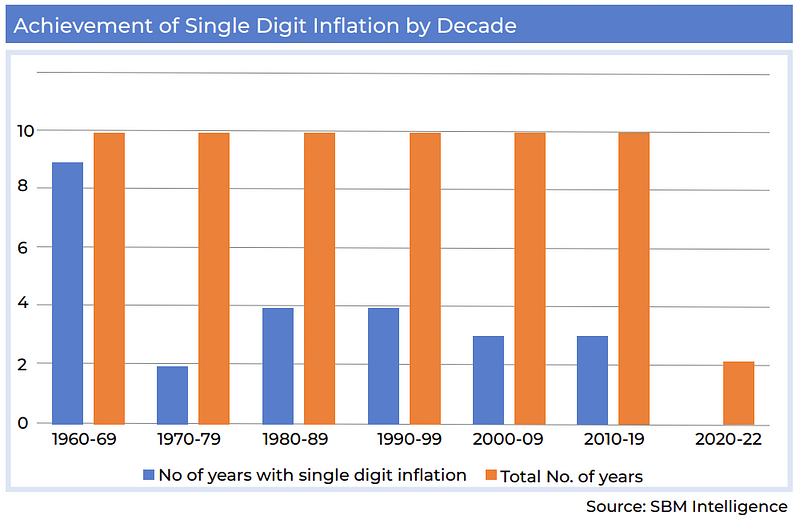
We must say that the measures the monetary authorities took to impact inflation have proved ineffective, as evidenced by the continuous hike in MPR, which has yet to work. Recently, MPR was hiked again, this time to nearly two-decade record levels, and we expect this to be fine with the cost of living. It, therefore, means that the solutions to the rising cost of living lie in trade and fiscal policy adjustments. While the infrastructure support fund represents a long-term solution to affect the inbuilt cost inefficiencies in production, there are shorter-term measures that demand attention. The primary step is to reverse the unnecessary and failed policies that have artificially heightened the price of food, such as the ban on importing key food staples. Food inflation has been the key driver of inflation over the last 24 months, and this has seen Nigerians spending most of their income on food. To ensure Nigeria’s development and progress, it is necessary to direct the infrastructure support fund towards projects with substantial economic potential. Two key areas that require attention are mining and railways. Nigeria possesses abundant natural resources such as oil, gas and minerals, yet the underdeveloped mining sector hinders the country from fully capitalising on this wealth. Strategic investments in mining infrastructure can unlock this potential, fostering job creation and growth in the industry. Similarly, revitalising the railway infrastructure is essential. The significance of railways for efficient goods and passenger transportation cannot be overstated. Nigeria’s railway system currently suffers from inadequate infrastructure, posing obstacles to economic progress. The government can improve transportation efficiency by channelling funds into railway development, thereby reducing costs and bolstering overall economic development. Investing in projects with substantial economic potential can lead to remarkable positive impacts on various sectors of the economy. For instance, mining investments can stimulate downstream industries like manufacturing and processing, while railway improvements can spur the growth of tourism and other transportation-dependent sectors. To ensure the effective utilisation of the fund, the government should adhere to certain principles. Firstly, projects funded through the Infrastructure Support Fund should align with the government’s economic development objectives, prioritising goals such as fostering economic growth, job creation and poverty reduction. Secondly, a thorough evaluation of the feasibility of projects is necessary to maximise returns on investment and avoid high-risk ventures that might lead to suboptimal outcomes. Lastly, the government must maintain transparency and accountability throughout the fund allocation process to prevent corruption and ensure efficient spending. This approach will accelerate economic growth, create employment opportunities and foster overall development across various sectors of the Nigerian economy.