
Gasping for fuel
Petrol shortages in Lagos and parts of South Western Nigeria may persist until the end of September due to the closure of the vandalised…

Petrol shortages in Lagos and parts of South Western Nigeria may persist until the end of September due to the closure of the vandalised System 2B pipeline. Nigeria’s government has no intent to borrow from any local or foreign organisation following the petrol subsidy removal and exchange rate harmonisation. Meanwhile, the Nigeria Labour Congress declared a two-day nationwide strike on Tuesday and Wednesday (5&6 September) over the increasing hardship and suffering caused by the subsidy removal. Banks in Lagos ignored the directive of the National Union of Banks, Insurance and Financial Institutions Employees (NUBIFIE) to join the NLC’s strike.
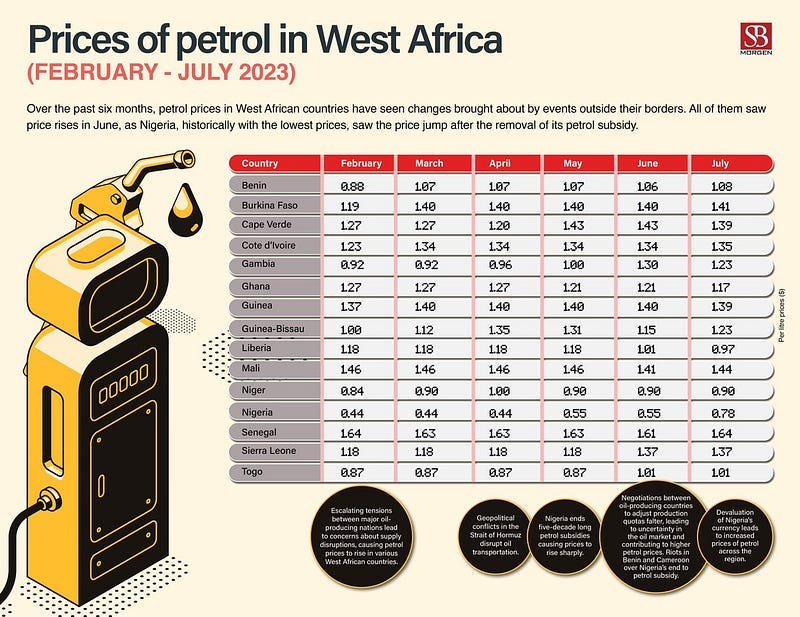
These are not the best times for citizens and businesses in Nigeria’s Southwest, who are already burdened by increased costs due to the removal of petrol subsidies. Disruptions in the petrol retail supply and labour unions’ strike contribute to a contraction of economic activities in an already tense environment. Despite the huge amounts the Nigerian government pays for pipeline protection contracts, vandalism remains a significant problem. The recent shutdown of the System 2B pipeline will most likely trigger fuel scarcities and price hikes in the Southwest. While good, the government’s stance on not borrowing from any local or foreign organisation will require creative efforts in managing scarce resources. The citizens are growing impatient, necessitating prompt government action. The government needs resources, whether borrowed or sourced from partnerships, to achieve any results. Nigeria needs to diversify the supply risk, increase storage capacity to tide periods like these over, improve response to damage and increase the consequences for vandalism. Nigeria must also establish a comprehensive and transparent energy policy framework that enables all Nigerians to access reliable and affordable energy regardless of income or geographic location. Although the Tinubu administration is still enjoying some goodwill amongst the citizens, it should tread cautiously to avoid any breakdown of law and order that may push it into the citizens’ bad books. The Nigerian government must also manage the fuel prices to avoid spiralling inflation since petrol is tied to numerous economic activities, especially transportation and micro and small-scale production.