
Gasping for oil
Environmentalists condemned Nigeria's plan to resume oil production in Ogoniland, demanding talks, a production halt, and cleanup compensation.

Nigerian environmentalists condemned the government’s plan to resume oil production in Ogoniland, citing environmental and social damage from decades of oil extraction. Over 20 groups, including Environmental Rights Action and the Ogoni Solidarity Forum, criticised the plan, demanding meaningful talks with local communities and a halt to production until then. They also called for a $1 trillion commitment for cleanup and compensation and the implementation of a U.N. report recommending a comprehensive cleanup of Ogoniland.
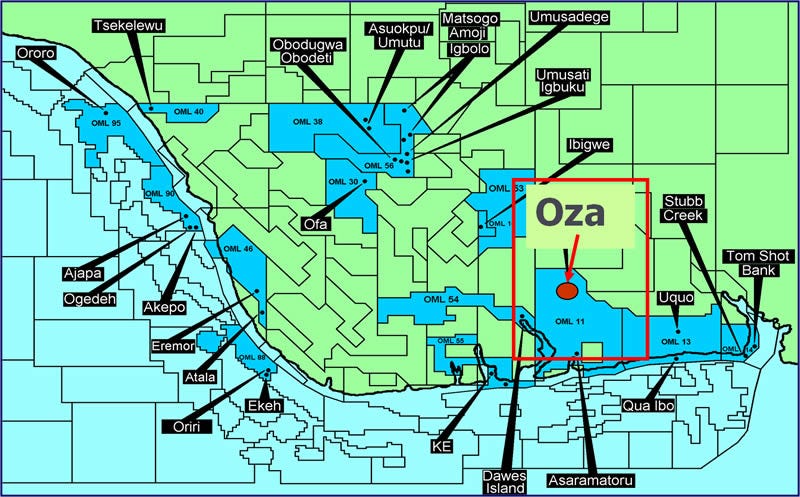
This meeting comes against the backdrop of numerous challenges facing Nigeria’s oil industry. Within the past decade, not only has oil production tanked significantly from its peak of 2.4 million barrels per day to 1.3 at some point, but major foreign players have also rushed to the exit, divesting from the industry in a mad rush that began slowly in 2006 but accelerated since 2022. As a result, the country has suffered more than £16.6 billion worth of divested assets since 2006.
Insecurity in the Niger Delta and inconsistent government policies regarding the industry have also contributed significantly to this wind. The former was especially responsible for the pipeline surveillance contract the former administration signed with the Tantita Security Forum, owned by ex-militant Government Ekpemopulo. However, the contract has not only not stopped the theft; production has still not gotten to its all-time peak, with the available production outputs being tied down to hedges to acquire loans from foreign lenders. President Tinubu, whose government relies on oil for 65% of its revenue and 85% of its exports, is urgently seeking to open new production centres, driven by the need to secure more funds—mirroring the Lagos blueprint.
Crude oil is Nigeria’s cash cow, and the uptick in crude oil production since Tinubu assumed office is evident. It was only a matter of time before the idle fields of Ogoniland were summoned. However, this desperation for funds will not be met without significant pushback. The Niger Delta militancy took its roots in Ogoni land as its activists protested against widespread environmental abuse that made fishing and farming difficult for its people. Oil majors in the 1990s colluded with successive government regimes to sidestep these issues. When the agitation reached a violent crescendo, the Abacha regime in 1995 executed Ken Saro Wiwa—a prominent Ogoni environmental activist from the Movement of the Survival of the Ogoni People—and eight others on murder charges. Part of the 2009 Amnesty deal was that the government, in consortium with the oil majors and the international community, would undertake a clean-up of the environmental mess the oil spill has caused to Ogoni. This was why the federal government set up the Hydrocarbon Pollution Remediation Project.
However, HYPREP may tout some success. Not only has its overarching mandate not been achieved, but it has also been laden with corruption and inefficiency so much that its target of 30 years of cleanup of Ogoni land is looking like a pipe dream. Tinubu’s decision to invite a handpicked section of Ogoni leaders closely resembles what the military regimes of the 1990s did in pitting Ogoni elders against each other and their people. Channelling the project through the office of the National Security Adviser might show outwardly that the president understands the security challenges in drilling oil in the region, but inwardly reveals that due process, consensus building and inclusive dialogue with leaders across the board to hold the oil majors accountable will give way to strong-arm tactics by the state.
A refusal to learn from the mistakes of the past is going to lead to repetition. Tinubu may get his oil, but he may understand why it is called dirty gold. This administration’s ability to smoothly resume operations in that community will testify to its conflict resolution abilities. The barriers to oil exploration in Ogoniland are beyond environmental degradation. There are cultural wounds that run deep that need to be resolved. Households still carry wounds from losing relatives, livelihoods and businesses. Despite the cessation of oil exploration activities in the region since the early 1900s, the community still suffers due to the leaking pipelines that pass through the community and the occasional explosions at abandoned oil fields.
Ogoni is a strategic oil-rich region in Nigeria, boasting five major oil fields and over a hundred oil wells. Parties supporting the resumption of drilling activities in the region claim that Nigeria has an additional 500,000 barrels per day of crude oil. Apart from the obvious added revenue for Nigeria, investing in the region comes with significant uncertainties for intending investors, including the state of the abandoned oil fields and the disposition of residents. All these must be considered when making an investment decision.